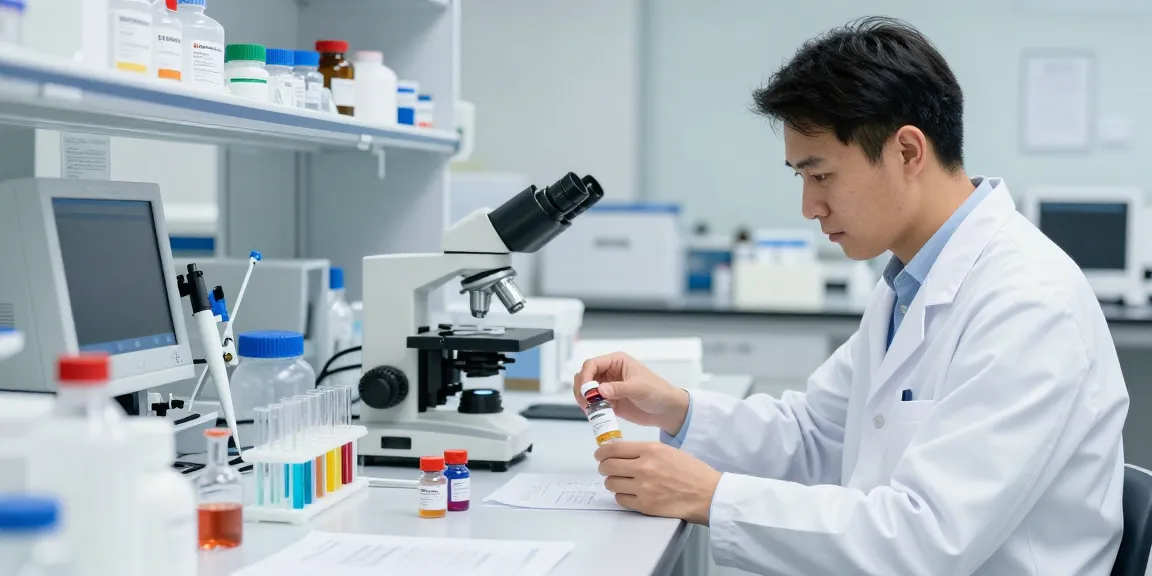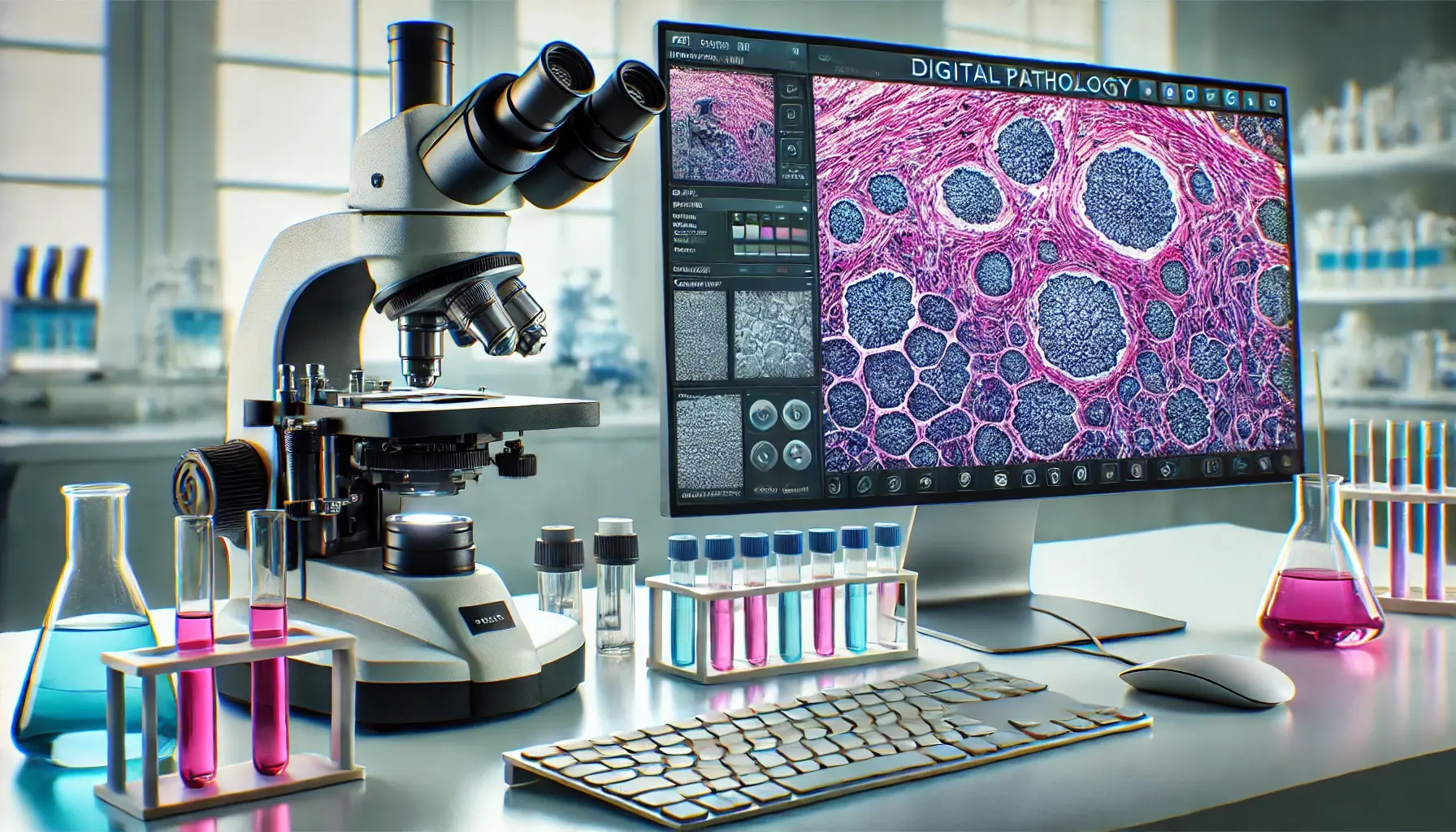
Introduction to Peptide Research
As the field of biochemistry continues to evolve, peptides have emerged as critical players in various biological processes and therapeutic applications. With a unique structure that distinguishes them from proteins, peptides consist of short chains of amino acids, which are the building blocks of life. Their smaller size allows them to penetrate cells more easily, making them versatile tools in research and medicine. The growth of peptide sales reflects their increasing recognition and application across diverse domains.
What are Peptides?
Peptides are short chains of amino acids linked by peptide bonds. Typically consisting of 2 to 50 amino acids, they can be classified into two categories: oligopeptides (2-20 amino acids) and polypeptides (20-50 amino acids). Peptides play an essential role in many biological functions, acting as hormones, antimicrobial agents, and signaling molecules. Their structure often dictates their function, and even a slight alteration in the sequence can significantly impact their biological activity.
The Role of Peptides in Biological Systems
Peptides are integral to numerous physiological processes. For instance, they facilitate cell signaling, regulate immune responses, and influence metabolic pathways. Hormones like insulin, which is a peptide, regulate glucose metabolism. Additionally, neuropeptides affect brain function and behavior, illustrating their widespread influence in both health and disease states. Their ability to act as natural regulators within biological systems makes them valuable in developing therapeutic agents.
Overview of Peptide Synthesis Methods
The synthesis of peptides can be achieved through several methods, primarily through chemical synthesis or biological techniques. Chemical synthesis, often conducted using solid-phase methods, involves the stepwise addition of amino acids to a growing chain. Alternatively, recombinant DNA technology allows for the production of peptides within living cells, enabling the generation of longer and more complex peptides. Each method has its benefits and challenges regarding scalability, purity, and cost-effectiveness.
Current Trends in Peptide Sales
Market Growth and Demand for Peptides
The peptide market has witnessed significant growth in recent years, driven by advancements in peptide synthesis technology and rising demand for peptide-based therapies. Therapeutic peptides are gaining attention for their specificity and reduced side effects compared to traditional small-molecule drugs. As the pharmaceutical industry increasingly recognizes the potential of peptides, their sales are expected to expand further, particularly in areas such as oncology, diabetes, and cardiovascular diseases.
Applications in Medicine and Health
Peptides are at the forefront of medical innovation. They are utilized in developing drugs for various conditions, including cancer, metabolic disorders, and infectious diseases. Beyond the therapeutic realm, peptides are gaining traction in diagnostics, particularly as biomarkers for disease states. Their versatility ranges from acting as vaccines to serving as tools for targeted drug delivery, showcasing their multifaceted roles in health care.
Technological Innovations Supporting Peptides
The peptide industry benefits from continuous technological advances. Innovations in mass spectrometry and chromatography have enhanced peptide purification and analysis, ensuring higher quality and safety. Additionally, AI and machine learning are driving peptide design, allowing for the rapid identification of optimal peptides for specific therapeutic targets. These technologies not only streamline peptide production but also expand possibilities for novel therapeutic uses.
Challenges in Peptide Development
Stability and Storage Issues
While peptides are promising therapeutic agents, they are often plagued by stability issues. Peptides can be susceptible to degradation through various processes, including hydrolysis and oxidation, impacting their efficacy. Proper storage conditions and stabilization strategies are crucial to maintaining peptide integrity. Innovations such as lyophilization and encapsulation techniques are being explored to improve shelf life and stability during transportation.
Regulatory Considerations
Navigating regulatory landscapes poses challenges for peptide developers. Given the complex nature of peptides and their potential pharmacological risks, obtaining regulatory approvals requires thorough testing and compliance with stringent guidelines. It is essential for manufacturers to stay abreast of evolving regulations and ensure that their products meet safety and efficacy standards, which can be time-consuming and costly.
Cost Implications in Peptide Production
The cost of peptide production can be significant, influenced by factors such as the complexity of synthesis, quality control measures, and raw material availability. While chemical synthesis is often less expensive for shorter peptides, longer ones produced through recombinant techniques can escalate costs. Manufacturers must strike a balance between quality and cost-effectiveness to remain competitive in the growing peptide market.
Case Studies in Peptide Applications
Peptides in Cancer Treatment
The application of peptides in oncology has shown productive results. For example, certain peptides are being developed as targeted therapies that specifically bind to cancer cells, minimizing damage to healthy tissues. This selectivity can enhance treatment efficacy and reduce side effects. Clinical trials have revealed promising outcomes, paving the way for peptide-based drugs to become integral in cancer treatment regimens.
Role of Peptides in Diabetes Management
Peptides offer innovative solutions in managing diabetes. Glucagon-like peptide-1 (GLP-1) analogs are one of the most successful examples, stimulating insulin secretion while suppressing glucagon release. These peptides enhance glycemic control without the adverse effects associated with traditional treatments, representing a substantial advancement in diabetes therapy. Their effectiveness underscores the critical role of peptides in modern healthcare.
Innovative Uses in Cosmetic Products
The cosmetic industry is increasingly incorporating peptides into formulations to target aging and skin health concerns. Peptides serve as signal molecules that promote collagen production and improve skin elasticity. Many anti-aging products leverage their ability to enhance skin texture and reduce wrinkles. As consumer interest in biotechnology-driven skincare rises, peptide-infused products are becoming a staple in cosmetic lines.
The Future of Peptide Research
Emerging Technologies in Peptide Sciences
The future of peptide research looks promising, with emerging technologies set to revolutionize the field. Advanced computational tools are facilitating peptide design, drug discovery, and bioinformatics analyses. Additionally, exploration in nanotechnology is uncovering novel drug delivery systems for peptides, enhancing their therapeutic potential while minimizing side effects. As these innovations gain traction, they will likely lead to breakthroughs in peptide applications.
Potential Market Expansions
The peptide market is poised for expansion, with emerging markets recognized as potential growth areas. Increased investments in biotechnology and pharmaceutical research in these regions enhance their capacity to develop and market peptide-based therapies. As awareness of peptide benefits continues to grow globally, we may witness diversified applications across fields ranging from agriculture to food sciences.
Ethical Considerations and Best Practices
Ethical considerations play a vital role in peptide research and application. As designers and researchers explore the boundaries of peptide functionalities, they must adhere to ethical guidelines to ensure safety and efficacy in clinical and commercial practices. Transparency in research and developmental processes, informed consent, and responsible marketing are essential practices that can help build public trust and foster innovation.
Frequently Asked Questions
What are the main uses of peptides in medicine?
Peptides are primarily used in therapeutics for cancer treatment, diabetes management, and anti-aging products, targeting specific biological functions with fewer side effects than conventional drugs.
How are peptides synthesized?
Peptides can be synthesized chemically through solid-phase synthesis or biologically via recombinant DNA technology, allowing for the expression of peptides in living cells.
What are the challenges in peptide storage?
Peptides are sensitive to degradation from temperature, moisture, and light. Stabilization techniques such as lyophilization and proper storage conditions are essential to maintain peptide integrity.
How do peptides differ from proteins?
Peptides are shorter chains of amino acids, usually less than 50, whereas proteins are longer and more complex structures that can perform a wider range of functions in biological systems.
What is the future of peptide applications?
The future of peptide applications is promising with advancements in technology, increasing market demand, and potential expansions in emerging fields such as agriculture and food sciences.