Understanding Bed Bugs and Their Impact
What are Bed Bugs?
Bed bugs are small, wingless insects belonging to the Cimicidae family. They primarily feed on human blood, which makes their presence particularly concerning. Adult bed bugs are about the size of an apple seed, ranging from 1/4 to 1/5 inch long, with a flat, oval-shaped body that becomes engorged with blood after feeding. Their nocturnal nature allows them to remain hidden during the day, often in the seams of mattresses, cracks in walls, or beneath furniture, making detection challenging.
Signs of Bed Bug Infestation
Identifying a bed bug infestation early is crucial for effective control. Key indicators include:
- Bitten Skin: Red, itchy welts on the skin can indicate recent feeding.
- Blood Stains: Small blood spots on bedding or pajamas often result from bed bugs being crushed post-feeding.
- Exoskeletons: As bed bugs molt, they leave behind empty skins that resemble small, translucent shells.
- Odor: An abundance of bed bugs can produce a sweet, musty odor, often compared to the scent of raspberries.
Health Risks Associated with Bed Bugs
The presence of bed bugs goes beyond discomfort; they can lead to significant health issues. The most common side effects are skin reactions ranging from mild irritation to severe allergic reactions. Secondary infections may arise if scratching leads to breaks in the skin. Additionally, the psychological impact of living with bed bugs can lead to anxiety, insomnia, and decreased quality of life. Understanding these risks further underscores the importance of effective bed bug pest control.
Common Myths About Bed Bug Pest Control
Myth #1: Bed Bugs Are Only Found in Dirty Homes
A prevalent misconception is that bed bugs thrive solely in unkempt living environments. However, bed bugs can infest even the cleanest of homes. They hitch rides on luggage, clothing, and furniture, making them a risk for anyone, regardless of hygiene practices.
Myth #2: DIY Solutions Are Always Effective
Many believe that do-it-yourself methods can eliminate bed bugs. While some home remedies may provide temporary relief, they often fail to eradicate the entire population. Professional help is generally necessary for effective bed bug pest control.
Myth #3: One Treatment is Enough
Another myth is the belief that a single treatment will suffice. In reality, due to the life cycle of bed bugs and their ability to hide, multiple treatments are often required over several weeks. An integrated pest management approach typically yields the best results.
Professional Bed Bug Pest Control Techniques
Integrated Pest Management Approach
Integrated Pest Management (IPM) combines various strategies to effectively manage bed bug populations. This holistic approach emphasizes prevention, monitoring, and control. Key components include:
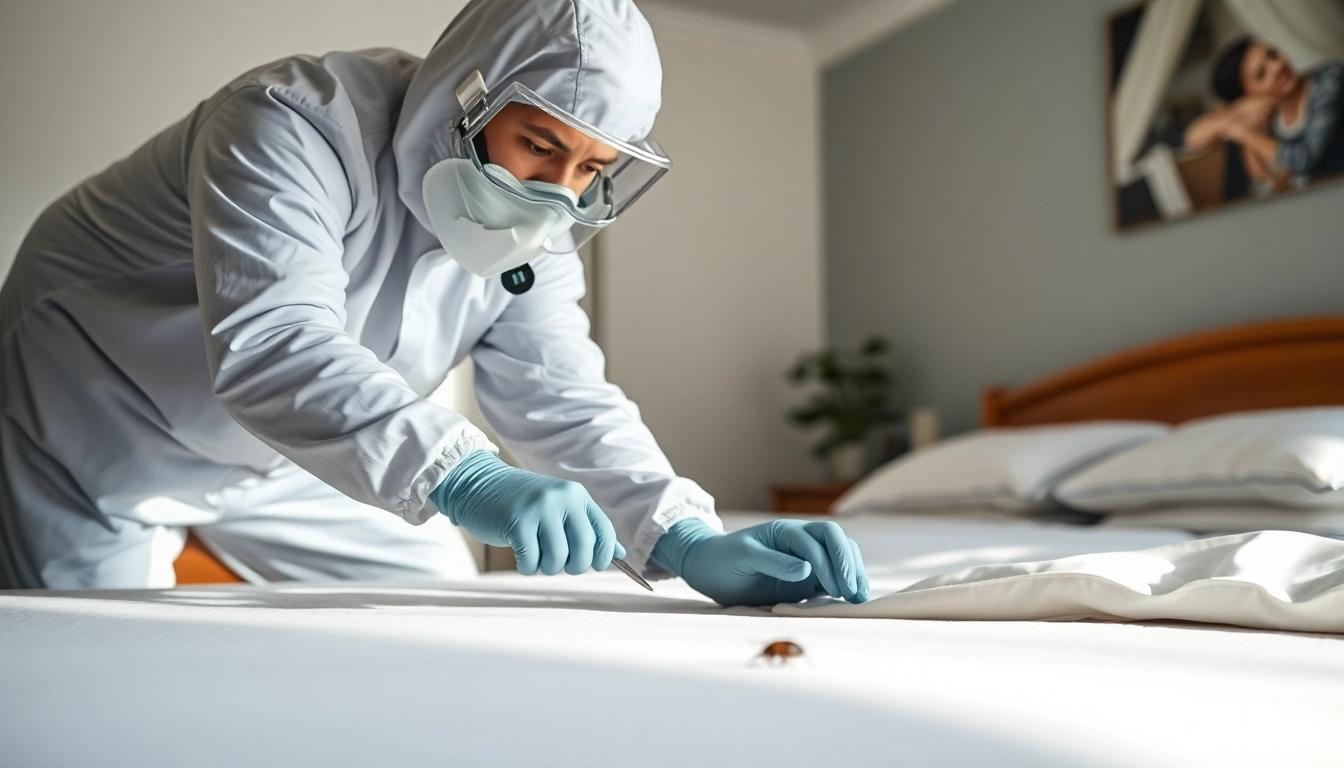
- Inspection: Thorough property assessments are necessary to locate the extent of the infestation.
- Identification: Proper species identification aids in tailoring treatment methods to be more effective.
- Prevention: Implementing measures such as sealing cracks and decluttering can reduce future infestations.
Chemical Treatments and Their Effectiveness
Chemical treatments are commonly used in bed bug control. Various insecticides can be effective, including:
- Pyrethroids: Water-based and often preferred for their fast action.
- Neonicotinoids: Target nerve function, offering another option for resistant populations.
- Insect Growth Regulators: These disrupt the bed bug life cycle, preventing maturation and reproduction.
However, care must be taken as resistance may develop over time, requiring the rotation of treatments.
Non-Chemical Alternatives for Bed Bug Control
For those seeking alternatives to chemical pesticides, several non-chemical methods have proven effective:
- Heat Treatment: Subjecting infested areas to high temperatures can kill all life stages of bed bugs.
- Vacuuming: Utilizing HEPA filters and sealing bags can help remove bed bugs and their eggs.
- Steam Treatment: High-temperature steam can effectively penetrate cracks and crevices.
Implementing a combination of these methods increases overall effectiveness and can minimize chemical usage.
Cost Factors in Bed Bug Pest Control
What Impacts Treatment Pricing?
Understanding the cost factors associated with bed bug treatment can help homeowners budget appropriately. Prices can vary based on:
- Severity of Infestation: Extensive infestations may require more treatments and a comprehensive approach.
- Size of Property: Larger homes will generally incur higher costs due to increased labor and materials.
- Location: Regional factors such as availability of services and geographical differences can influence pricing.
Cost Comparison of Various Treatment Methods
Costs for bed bug treatment can vary widely based on the method used:
- Chemical Treatments: These typically range from $300 to $1,500, depending on factors previously mentioned.
- Heat Treatments: These are often more expensive, possibly between $1,000 to $2,500 for comprehensive coverage.
- Integrated Approaches: A combination of methods may be more cost-effective in the long run, albeit initially more expensive.
Budgeting for Prevention and Control
Beyond initial treatments, setting a budget for ongoing monitoring and prevention is crucial for long-term control. Regular inspections, maintenance, and applying preventative measures such as encasements on mattresses can be affordable ways to deter reinfestation.
FAQs on Bed Bug Pest Control
Can You Get Rid of Bed Bugs with Pest Control?
Yes, professional pest control is often effective in eliminating bed bug infestations, but multiple treatments may be necessary for complete eradication.
What 100% Kills Bed Bugs?
Heat treatment at temperatures above 120°F can kill bed bugs in all life stages. Some chemical treatments also claim 100% efficacy.
How Much Will It Cost to Remove Bed Bugs?
The cost to remove bed bugs can range from $300 to $2,500, depending on the extent of the infestation and treatment methods used.
What Methods Can You Use at Home?
At-home methods include heat treatments, vacuuming, and using steam cleaners. However, professional intervention is usually needed for severe infestations.
How Long Does Bed Bug Treatment Take?
Treatment duration varies based on the method used. Chemical treatments may require several sessions over weeks, while heat treatments can be completed in one day.