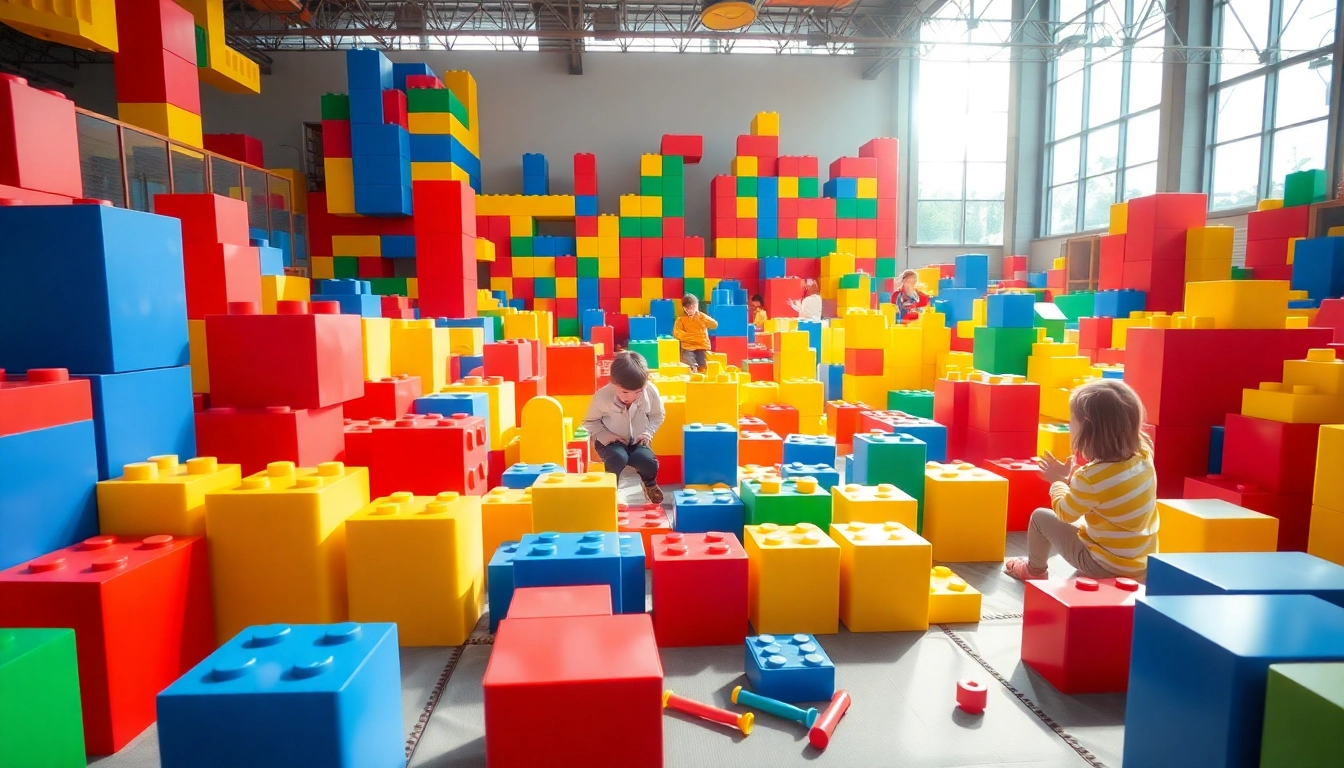
Introduction to Giant Building Blocks
In today's dynamic world of play and learning, giant building blocks stand out as a versatile tool for fostering creativity, collaboration, and cognitive development. These oversized blocks are not just toys; they are instruments for imagination and exploration, allowing children of all ages to engage in constructive play. From creating elaborate structures to fostering teamwork, the benefits of these blocks extend far beyond simple amusement. For additional information on how these building blocks can redefine play spaces, read on to discover the many facets of giant building blocks.
What are Giant Building Blocks?
Giant building blocks are oversized, lightweight building components that come in various shapes and colors. They are specifically designed for group play and can be stacked, knocked down, and rearranged endlessly, allowing for imaginative play. Often made from soft materials or lightweight plastics, these blocks are safe to handle for children of all ages. They come in various sizes, making them suitable for many indoor spaces while also providing flexibility in design and play possibilities.
Benefits of Playing with Giant Blocks
The benefits of incorporating giant building blocks into playtime are numerous and multifaceted. One of the most significant advantages is the encouragement of creativity and imaginative thinking. Children can envision their designs and plans, leading to enhanced problem-solving skills as they figure out how to construct their ideas physically. Moreover, playing with giant blocks promotes physical activity, improving coordination and motor skills. Children engage in various movements such as lifting, stacking, and balancing, which contribute to their physical development.
Safety Considerations When Using Blocks
Safety is paramount when it comes to any play equipment, and giant building blocks are no exception. Ensuring that blocks are made from non-toxic materials is essential, especially for younger children who might put objects in their mouths. Additionally, thoughtful supervision during play helps prevent accidents. It's also beneficial to assess the play area, making sure it is free from obstacles that might cause trips or falls. Ensuring that blocks are adequately stored after use is vital for maintaining safety and playability for future sessions.
Engagement through Creativity
Encouraging Imagination with Building Projects
Building projects using giant blocks can transform simple play into extraordinary adventures. Children are encouraged to use their imaginations and create from scratch. For instance, organizing themed building sessions—such as constructing castles, rockets, or entire towns—can spark unique ideas and foster imaginative play. This type of guided play allows educators and caregivers to facilitate learning while still providing freedom for creative expression, enhancing storytelling, and cognitive skills.
Collaborative Play and Team Building
Giant building blocks inherently promote collaborative play. Children can work together to create larger structures that require teamwork and communication skills. Through sharing ideas and responsibilities, they learn the importance of working together and respecting others' contributions. This collaborative element not only makes play more enjoyable but also teaches vital social skills that are applicable beyond playtime, including negotiation, empathy, and patience.
Adapting Blocks for Different Ages and Skills
The versatility of giant building blocks allows for adaptability across various age groups and skill levels. For younger children, blocks can be used for basic stacking and balance games, fostering foundational skills. Older children might engage in more complex building and design projects that challenge their spatial reasoning and creativity. By modifying challenges related to block play, caregivers can cater to the unique needs of each child, ensuring that block play remains engaging and developmentally appropriate.
Designing Indoor Adventure Spaces
Key Elements for Playful Environments
When designing indoor spaces to incorporate giant building blocks, certain key elements create an engaging environment. First, ample space is required to accommodate large play areas. Soft flooring, such as foam mats or carpets, can enhance comfort and safety during play. Additionally, incorporating varied textures and colors in surrounding decor can stimulate a child's senses and enhance the overall experience. Sound elements, such as musical corners or nature sounds, could further enrich the play environment.
Combining Blocks with Other Play Equipment
Giant building blocks can be seamlessly integrated with other play equipment to create dynamic environments. For example, slides, climbing walls, and obstacle courses can provide additional avenues for children to explore their creativity and physicality. By combining various play equipment types, the overall experience can become more multifaceted and appealing, keeping children engaged for longer periods and offering them diverse ways to play.
Spatial Arrangement for Optimal Fun
The layout and spatial arrangement of both giant blocks and other play equipment are crucial for optimizing playtime. Designing play zones encourages exploration and creativity while ensuring pathways are clear to promote easy navigation. Grouping blocks in clusters can inspire children to collaborate on projects, while setting up separate areas for quieter, focused activities allows for a balanced play environment. Strategic placement encourages back-and-forth movement, enhancing physical engagement and discovery during play.
Educational Aspects of Giant Blocks
Learning Through Play: STEM Focus
Giant building blocks provide excellent opportunities for integrating STEM (Science, Technology, Engineering, and Mathematics) concepts into play. Children can experiment with balance, weight distribution, and structural integrity as they design their creations. Engaging in discussions about how different shapes and materials affect stability can guide children toward understanding engineering fundamentals while creatively expressing themselves. The hands-on approach enables practical application of STEM concepts in their play.
Enhancing Motor Skills and Coordination
Playing with giant blocks significantly enhances children's gross and fine motor skills. The act of lifting and maneuvering blocks strengthens muscles and improves coordination. Additionally, stacking blocks at varying heights requires precision, enhancing fine motor skills and eye-hand coordination. As children play, they naturally develop their body awareness and spatial perception, leading to a better understanding of movement and balance in real-world scenarios.
Integrating Themes and Storytelling
Themes and storytelling can be intricately woven into play with giant building blocks, transforming mere construction into imaginative experiences. For example, creating an airport scene could enable children to build planes, terminals, and runways while weaving in narratives about travel and exploration. Incorporating themes fosters a holistic learning experience, encouraging communication, creativity, and critical thinking as children collaborate on storytelling through their structures.
Maintaining and Caring for Your Block Collection
Cleaning and Sanitizing Techniques
Regular maintenance of your giant block collection is essential for durability and hygiene. Cleaning can be easily accomplished by using mild, non-toxic soap and water to remove dirt or grime. For deeper sanitization, especially in community play environments, occasional disinfection with approved antibacterial solutions is advisable. Regularly checking for damage ensures that blocks remain safe for play and extends their lifespan.
Storing and Organizing Blocks Effectively
Proper storage is vital for maintaining your collection of giant blocks. Designated storage bins, shelves, or dedicated play areas can help keep blocks organized and accessible. Clear storage solutions allow children to easily identify and reach for specific pieces, fostering independence. Additionally, labeling storage areas with pictures or designs can enhance organization and encourage children to participate in clean-up routines.
Longevity: Repairing and Replacing Worn Blocks
Over time, wear and tear can be expected with any play equipment, including giant building blocks. Being proactive in identifying issues—such as cracks or chips—will help you assess whether a block can be repaired or needs replacement. Using repair kits, if available, can allow for simple fixes. When blocks are maintained thoughtfully, their lifespan is extended, maximizing the value of your investment and ensuring ongoing positive experiences for children.
Frequently Asked Questions
What materials are giant building blocks made of?
Giant building blocks are typically made from lightweight, soft materials like foam or colorful plastic, ensuring safety and ease of use for children.
What age group are giant building blocks suitable for?
These blocks are designed for a wide age range, with specific sizes and styles tailoring them for toddlers to older children, promoting inclusive play.
How can I integrate blocks into educational settings?
Giant building blocks can be used to teach concepts in STEM, enhance motor skills, and foster teamwork through collaborative building projects, making learning engaging.
Are giant blocks safe for indoor use?
Yes, giant building blocks are generally safe for indoor use, especially if constructed from soft or flexible materials designed to minimize injury risks.
How can I clean and maintain my block collection?
Regular cleaning with mild soap and water is recommended. Additionally, sanitize occasionally and inspect for wear to ensure safety and longevity of the blocks.