Understanding Double Glazed Windows
What are Double Glazed Windows?
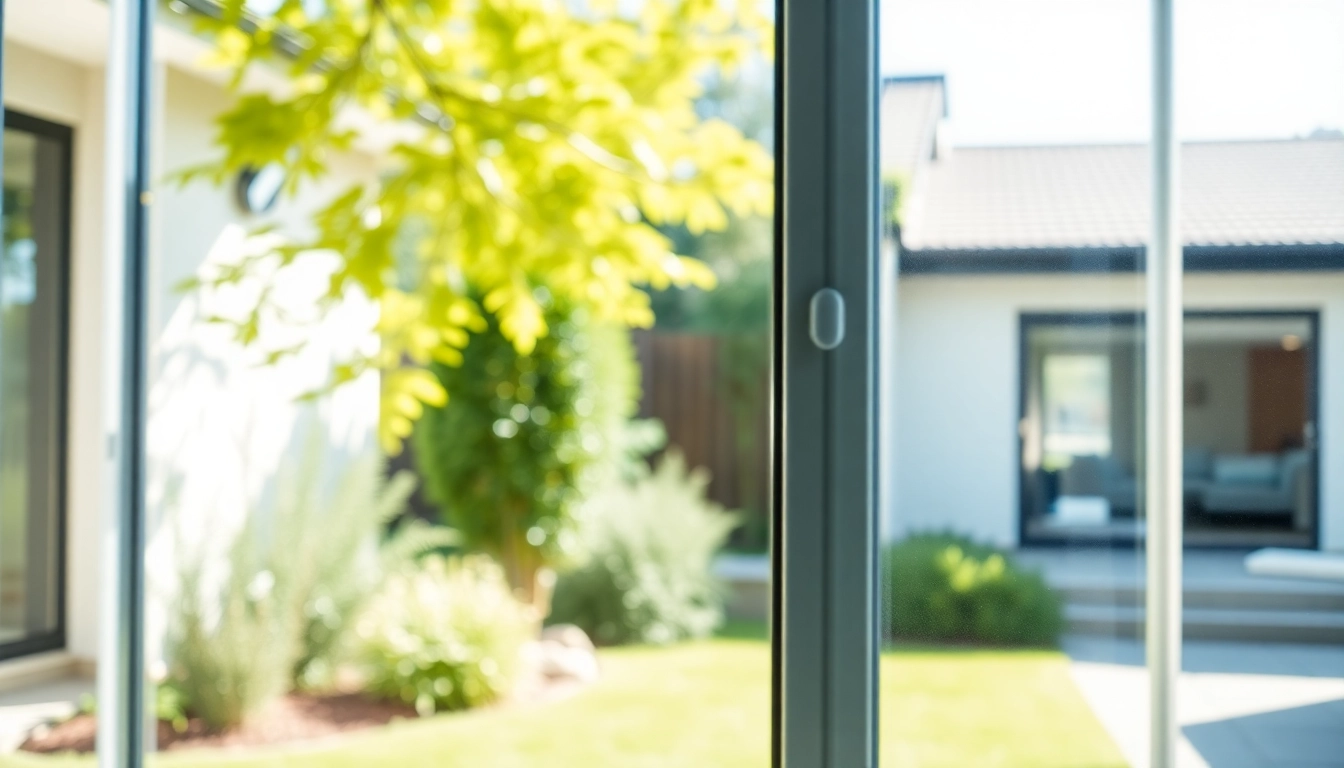
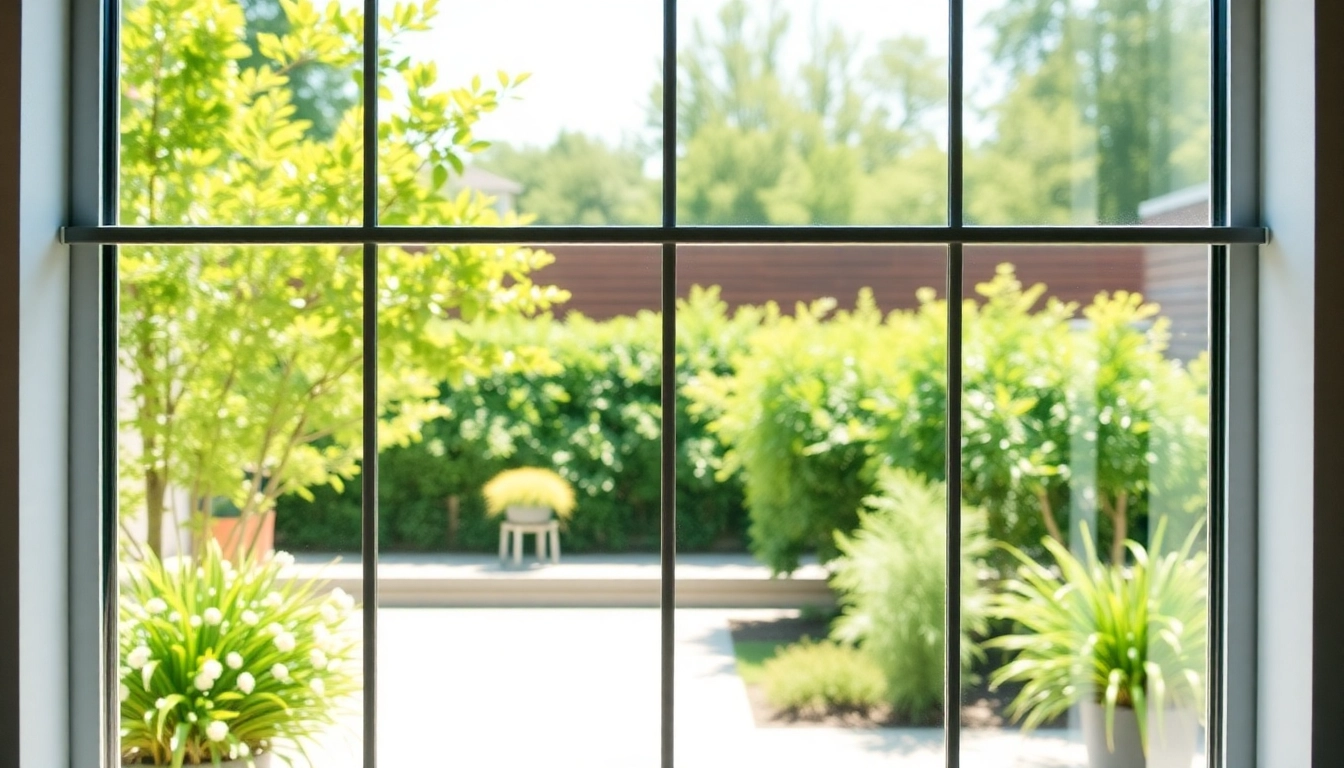
Double glazed windows, commonly referred to as insulated glazing, consist of two panes of glass separated by a spacer filled with air or gas. This design creates a barrier that significantly enhances the thermal insulation of buildings, making them a popular choice for homeowners looking to improve energy efficiency. Unlike single-glazed windows, which are made of just one glass pane, double glazed windows offer a host of benefits, including reduced energy bills and increased comfort levels. For more information on these windows, check out double glazed windows.
How Do Double Glazed Windows Work?
The primary function of double glazed windows is to minimize heat transfer between the indoor and outdoor environments. The space between the glass panes acts as a thermal break, which significantly reduces the exchange of heat. This design can be filled with argon or krypton gas, which are more effective insulators than air. The two panes also work together to diminish noise transmission, making homes quieter and more serene.
Materials Used in Double Glazed Windows
Double glazed windows can be crafted using various materials, including uPVC, aluminum, and wood. Each material offers distinct advantages. For instance, uPVC is known for its affordability and low maintenance, while aluminum provides durability and a modern aesthetic. Wood, although more traditional, offers excellent insulation and can enhance the aesthetic appeal of a home. Ultimately, the choice of material depends on the specific needs and style preferences of homeowners.
Benefits of Double Glazed Windows
Energy Efficiency and Cost Savings
Among the most significant advantages of double glazed windows is their energy efficiency. By reducing heat loss, these windows can lead to substantial cost savings on heating and cooling bills. Statistical analyses indicate that switching from single-glazed to double glazed windows can save homeowners anywhere from 10% to 25% on their energy costs, depending on climate and building efficiency. Furthermore, many energy suppliers offer incentives for improving home insulation, making double glazing a financially sound choice.
Noise Reduction Features
In addition to energy savings, double glazed windows are excellent for noise reduction. The two glass panes and the insulating gap significantly dampen outside noise, which is especially beneficial for homes situated in busy urban areas or near airports. Homeowners can enjoy a quieter living environment, leading to improved quality of life and comfort.
Improved Security with Double Glazed Windows
Security is another crucial benefit of double glazed windows. The two panes of glass make it much more difficult for intruders to break in, acting as a deterrent against theft. Additionally, many double glazed units are fitted with advanced locking mechanisms, enhancing safety further. Homeowners can enjoy peace of mind, knowing their windows are robust and secure.
Cost of Double Glazed Windows
Factors Influencing Price
The cost of double glazed windows can vary widely based on several factors. These include the size and style of the windows, the type of framing materials chosen, any additional features like low-E coatings or tinted films, and the installation process itself. Custom sizes and specialty shapes typically incur higher costs, while standard sizes and straightforward installations will be more economical.
Average Costs Based on Materials
On average, uPVC double glazed windows range from £700 to £1,800, while aluminum frames can cost between £1,000 and £2,500, depending on the design and features. Wooden frames, while beautiful, might range from £1,500 to £2,500 or more, making them the most expensive option. It’s essential for homeowners to assess their budgets and priorities when making decisions about window materials.
Long-Term Financial Benefits
While the initial investment in double glazed windows might seem high, the long-term financial benefits often outweigh these costs. Energy savings, reduced maintenance needs, and improved durability contribute to the financial logic behind choosing double glazing. Moreover, homes equipped with double glazed windows can have higher resale values, appealing to potential buyers who are increasingly looking for energy-efficient solutions.
Installation Process for Double Glazed Windows
Pre-Installation Assessment
Before installing double glazed windows, a proper assessment is crucial. This involves evaluating existing window frames for structural integrity, measuring window openings, and discussing material choices with homeowners. Depending on the findings, adjustments may need to be made to ensure a perfect fit for the new double glazing units.
Professional Installation vs. DIY
Homeowners often face the choice between professional installation and DIY. While DIY installation can save money, it typically requires advanced skills and tools. Professional installers bring expertise that ensures windows are correctly fitted and sealed, thus maximizing energy efficiency. Many installers also provide warranties for their work, offering peace of mind to homeowners. Ultimately, the decision should be based on comfort level with home improvement projects and the complexity of the installation.
Post-Installation Care and Maintenance
After installation, maintaining double glazed windows is relatively straightforward. Regular cleaning with mild detergents and soft cloths can help prevent clouding between the panes. Inspecting seals for wear or damage and ensuring the window frames are properly sealed are also essential for maintaining performance over time. Regular maintenance will ensure that the windows last for years and continue to provide the benefits they are designed for.
FAQs about Double Glazed Windows
What are the disadvantages of double glazed windows?
Double glazed windows may trap heat, potentially leading to overheating in warm weather. They also cannot usually be repaired if damaged; replacement is often necessary. Additionally, they may not fit the aesthetic of all home styles.
How long do double glazed windows last?
With proper maintenance, double glazed windows can last 20 years or longer. Their lifespan depends on factors such as the quality of materials, installation, and environmental conditions.
Can double glazed windows be repaired?
In most cases, double glazed windows cannot be repaired if broken or fogged due to seal failure. Replacement of the entire unit is typically required to restore function and efficiency.
How to clean double glazed windows?
To clean double glazed windows, use a soft cloth or sponge with a mixture of mild detergent and water. Avoid abrasive cleaners that might scratch glass or damage seals. Regular cleaning helps maintain visibility and efficiency.
Are double glazed windows worth the investment?
Yes, double glazed windows are generally worth the investment due to their energy efficiency, noise reduction capabilities, and improved security. They can lead to significant savings on energy bills over time while enhancing home comfort.