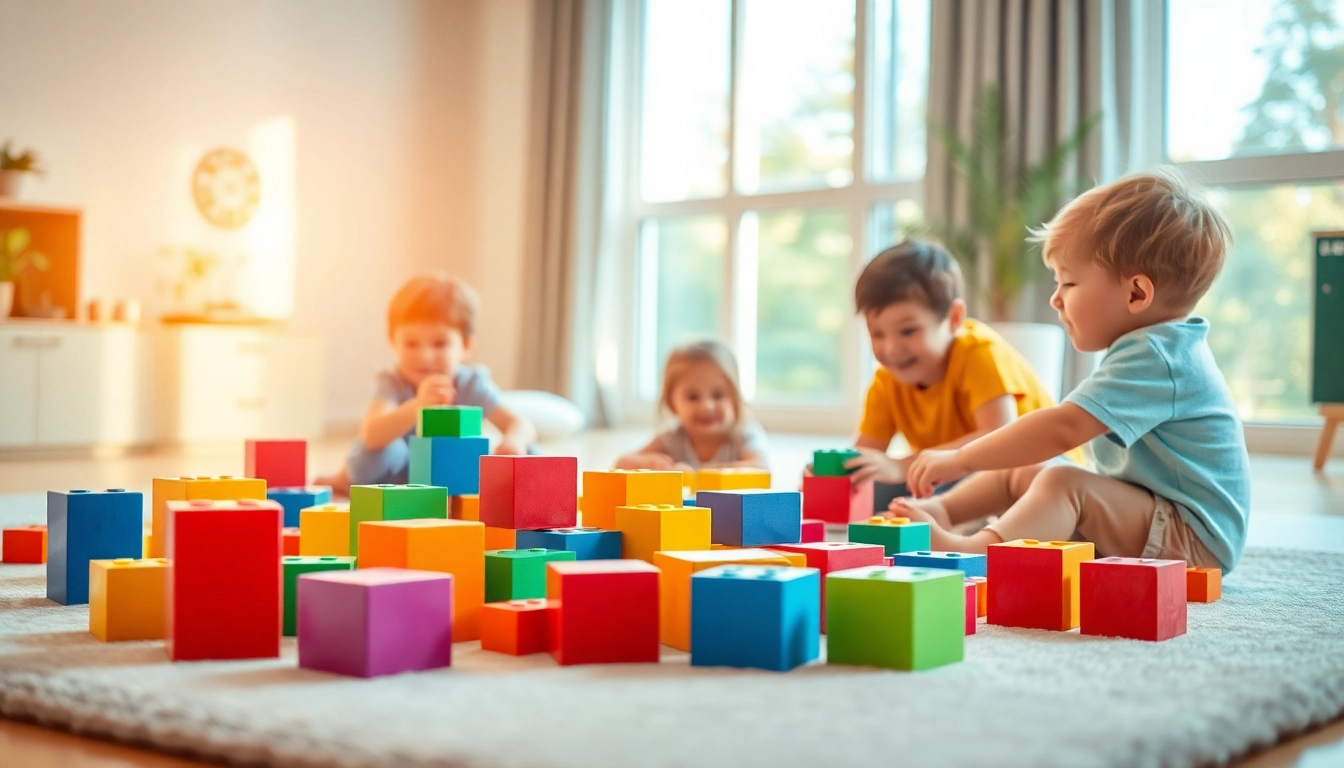
Introduction to Soft Building Blocks
In the realm of children’s play, safety and creativity converge perfectly with soft building blocks. These colorful, cushioned structures not only inspire imagination but also provide a safe environment for children to explore their architectural interests. click here to learn more about how soft building blocks can transform your child’s playtime experience.
What are Soft Building Blocks?
Soft building blocks are oversized, lightweight, and cushioned toys designed for children. Typically made from foam or similar soft materials, they allow for safe construction and deconstruction of structures without the risk of injury. Unlike traditional hard blocks, soft building blocks are engineered to be gentle on young bodies, making them an ideal choice for toddlers and preschool-aged children.
Benefits of Using Soft Blocks for Play
Soft building blocks offer a plethora of benefits that range from enhancing physical skills to boosting cognitive development. Here are some key advantages:
- Enhanced Safety: With their soft exterior, these blocks pose minimal risk of injury, ensuring peace of mind for parents.
- Physical Development: As children stack, balance, and build, they develop fine and gross motor skills, improving coordination.
- Creativity and Imagination: Soft blocks encourage open-ended play, allowing children to express their creativity through construction.
- Social Skills: Playing with soft blocks often entails collaborative building, fostering teamwork and communication among peers.
Safety Standards for Children's Toys
Before purchasing soft building blocks, it's essential to consider safety standards. Reliable manufacturers comply with regulations set by organizations, ensuring that their products are non-toxic and free from harmful substances. Look for certifications indicating compliance with safety standards such as ASTM and EN71.
Choosing the Right Soft Building Blocks
When selecting soft building blocks, several factors contribute to the best choices for your child’s playtime. Understanding these can help parents make informed decisions.
Materials Used in Soft Blocks
Soft blocks are typically made from various materials. The most common are:
- Foam: Lightweight, durable, and easily washable, foam blocks are popular due to their versatility and safety.
- Fabric: Some soft blocks feature fabric coverings, providing a tactile experience but may require special cleaning care.
- Inflatable Designs: Some blocks come in an inflatable format, offering a unique bouncing aspect in addition to building.
Age Appropriateness of Soft Blocks
Age appropriateness is crucial when choosing soft building blocks. Many brands categorize their products based on age groups, typically ranging from infants to preschoolers. Always check the manufacturer's guidelines to ensure the product suits your child's developmental stage.
Features to Look For
When shopping for soft building blocks, consider the following features that enhance play value:
- Size Variability: Blocks that come in various sizes promote creativity and are easier for children to manipulate.
- Colors and Patterns: Bright colors and interesting patterns can stimulate visual development and engagement.
- Portability: Blocks that are lightweight are easier for children to move around, encouraging active play.
Creative Play Ideas with Soft Building Blocks
The true magic of soft building blocks lies in their versatility. Here are exciting ways to incorporate creative play:
Building Structures and Designs
Encourage children to experiment with building different structures. From simple towers to more complex designs like bridges or castles, soft blocks provide a fantastic medium for engineering creativity.
Incorporating Imaginative Play
Soft building blocks are perfect for imaginative scenarios. Children can create their own worlds, such as a zoo or a space station, using blocks as foundational elements for storytelling and role-playing.
Engaging in Cooperative Play
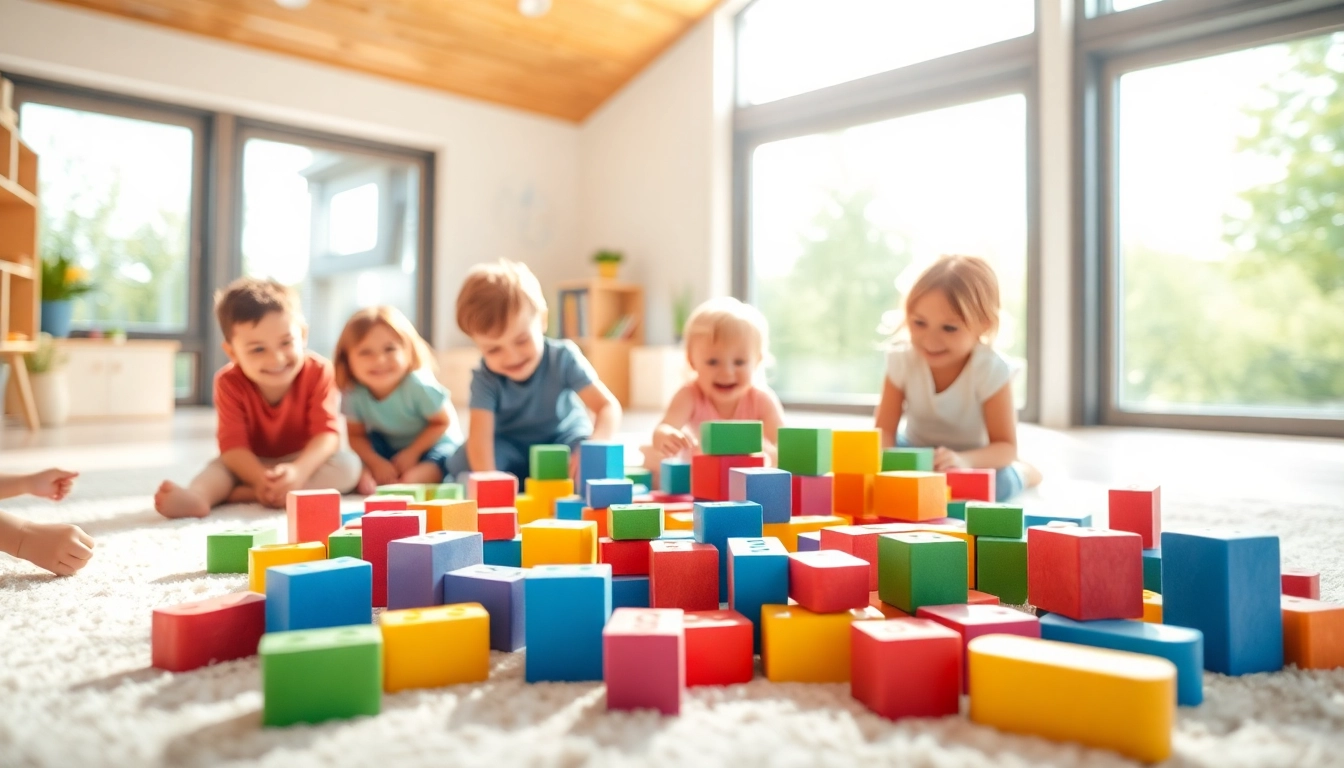
Invite friends or siblings to join in for cooperative building. Teamwork helps develop social skills while fostering communication as they negotiate ideas and share space.
Maintenance and Care for Soft Building Blocks
To ensure that soft building blocks last through many building adventures, proper care and maintenance are essential.
Cleaning and Sanitizing Options
Cleaning methods depend on the material used. Most foam blocks can be wiped down with a damp cloth and mild soap. Always follow the manufacturer's recommendations for materials and washing guidelines to care for fabric-covered blocks.
Storage Solutions
Implementing smart storage solutions can help keep play areas tidy while protecting the blocks. Consider using breathable bins or shelves that allow easy access and encourage kids to put them away after playtime.
Ensuring Longevity of the Blocks
To prolong the life of soft building blocks, supervise outdoor play, avoid excessive exposure to sunlight or moisture, and regularly inspect for wear and tear. Proper storage is equally crucial for ensuring their longevity.
Frequently Asked Questions
Are soft building blocks safe for toddlers?
Yes, soft building blocks are designed with safety in mind, featuring cushioned edges and lightweight materials that reduce injury risk for toddlers.
What should parents consider when buying building blocks?
Parents should evaluate materials, age appropriateness, safety standards, and features like size and color variations when selecting building blocks.
How to encourage children to play with soft blocks?
Encourage play by engaging in building activities together, introducing imaginative themes, and keeping blocks readily accessible to stimulate spontaneous fun.
Can soft blocks be used outdoors?
Yes, soft blocks can be used outdoors, though supervision is recommended to ensure they are not exposed to excessive moisture or harsh weather conditions.
How do soft building blocks benefit child development?
Soft building blocks foster cognitive development, improve fine motor skills, enhance creativity, and promote social interaction, making them a valuable educational tool.