Understanding Double Glazed Windows
What Are Double Glazed Windows?
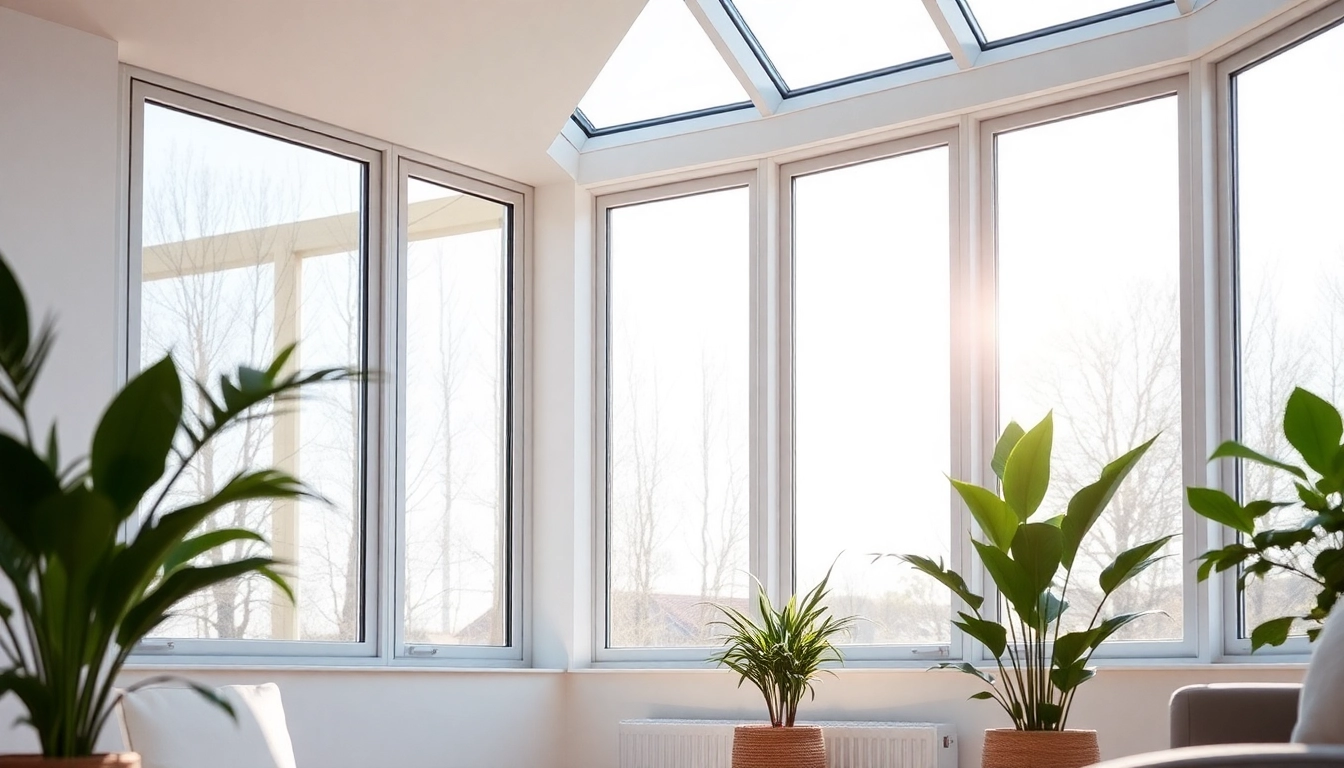
Double glazed windows are a type of energy-efficient window design that features two panes of glass separated by a gap filled with air or gas. This configuration significantly improves insulation compared to single-pane windows, leading to enhanced thermal performance and reduced energy costs. The insulating properties arise from the layer of gas or air between the panes, which acts as a barrier to heat transmission. In essence, double glazed windows serve as an effective solution for maintaining comfortable indoor temperatures while minimizing energy loss.
Main Components of Double Glazed Windows
The fundamental structure of double glazed windows includes several key components:
- Glass Panes: Typically made from low-emissivity (Low-E) glass, which reflects heat back into the room while allowing light to enter.
- Spacer Bars: These are located between the glass panes, ensuring a uniform gap and maintaining the seal throughout the lifetime of the window.
- Gas Fill: Commonly argon or krypton, this inert gas provides additional insulation compared to air alone.
- Sealant: An essential component that prevents moisture and air from entering the space between the panes, maintaining the effectiveness of the window.
- Frame: The outer framework can be made from various materials, including uPVC, wood, and aluminum, contributing to the window’s durability and aesthetic appeal.
How Double Glazed Windows Work
The effectiveness of double glazed windows lies in their ability to create a thermal barrier. When heat from your home attempts to escape, the outer glass pane absorbs some of that heat. The air or gas in the gap reduces the heat flow, ensuring that much of the warmth remains inside. Similarly, during hot weather, double glazed windows can help keep cool air in, allowing for greater comfort and energy savings throughout the year. This efficiency is quantifiable and often represented through the window's U-value, which measures heat transfer—lower values indicate better insulation performance.
Benefits of Double Glazed Windows
Energy Efficiency Advantages
One of the most significant benefits of double glazed windows is their energy efficiency. They can reduce heating costs by up to 50% compared to single-pane windows, significantly lowering monthly energy bills. The improved insulation enables homeowners to maintain a more consistent indoor temperature, which reduces the demand on heating and cooling systems. Over time, the investment in double glazed windows can lead to considerable savings and a reduced carbon footprint.
Noise Reduction Properties
Another valuable feature of double glazed windows is their noise reduction capability. The two panes of glass, coupled with the space between them, effectively dampen external sounds. This makes double glazing an ideal choice for homes located in noisy areas, such as near busy roads or airports. Homeowners often report a noticeable difference in the tranquility of their living spaces after installation, which can also enhance overall well-being and comfort.
Increased Home Value
Installing double glazed windows can increase the value of your home. Prospective buyers are often drawn to homes that are energy efficient and equipped with modern amenities. Furthermore, double glazing contributes to a home’s aesthetic appeal and overall safety, as many double-glazed windows are made from toughened or laminated glass, adding an additional layer of security against break-ins. As such, homeowners may find themselves recouping a significant portion of their investment upon sale.
Installation Process for Double Glazed Windows
Choosing the Right Professionals
Selecting a qualified installer is critical to the successful installation of double glazed windows. Homeowners should research local contractors, looking for reviews and testimonials, as well as verifying credentials and experience. A reliable professional will provide a detailed estimate, covering the scope of the project and expected timelines. Hiring a reputable installer ensures that all aspects of the installation process—from measurement to sealing—are carried out to the highest standards.
Steps in Installation
- Measurement: Accurate measurements are essential for a proper fit. Professional installers will assess existing window frames and recommend the appropriate size for the new units.
- Removal of Old Windows: Careful removal of existing windows is crucial to prevent damage to surrounding structures. This may involve cutting away old caulking and removing nails.
- Preparation of the Opening: Ensuring that the window opening is clean and free of debris aids in proper installation. This step may include repairing any damage to the frame.
- Installation of New Windows: The new double glazed windows are then fitted into the prepared opening, secured, and checked for level and alignment.
- Sealing: A proper seal is applied around the edges to ensure airtightness, enhancing energy efficiency.
- Finishing Touches: Finally, insulation is added around the frame, and any necessary trim or interior works are completed to finish the aesthetic look of the installation.
Common Mistakes to Avoid
Avoiding common pitfalls during the installation process is crucial for achieving optimal performance. One frequent mistake is overlooking the importance of professional installation. Improperly sealed windows can lead to significant energy loss and reduce efficiency. Additionally, neglecting to consider the frame material and style for compatibility with the house’s design can lead to aesthetic mismatches. Ensuring a thorough understanding of the installation process and seeking professional guidance can mitigate these issues.
Cost Considerations for Double Glazed Windows
Factors Influencing Cost
Several elements can influence the overall cost of double glazed windows, including:
- Material: The frame material (uPVC, wood, aluminum) affects pricing due to differences in manufacturing cost and aesthetic value.
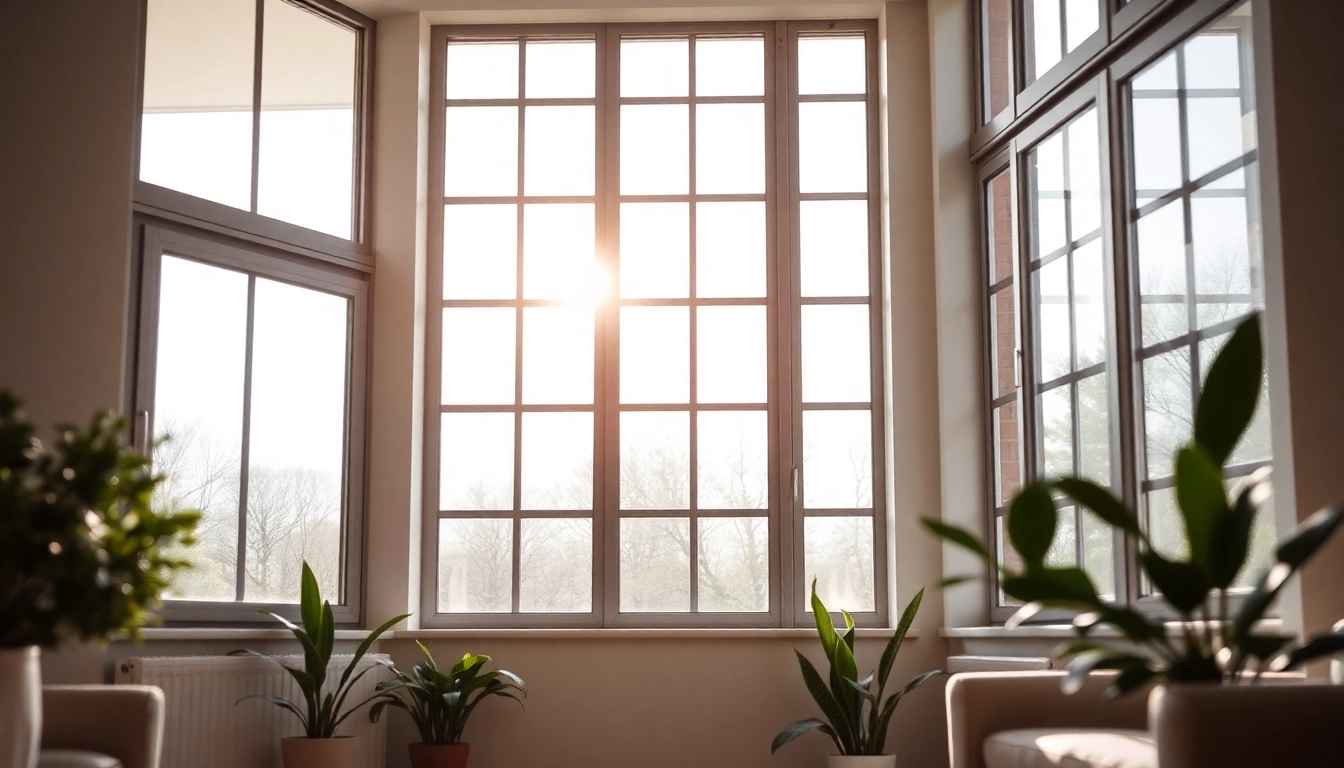
- Window Size and Type: Customized sizes and specific styles (casement, sash, tilt and turn) typically incur a higher cost due to specialized production.
- Installation Complexity: Homes requiring extensive modifications or repairs to existing structures will see elevated installation costs.
- Brand and Quality: Premium brands may command higher prices based on their reputation and the quality of their products.
Budgeting for Installation
Budgeting effectively for double glazed window installation involves considering both the purchase price and additional costs such as installation fees and future maintenance. Homeowners should allocate a range of 5% to 10% of their total budget for unexpected expenses. Gathering multiple quotes from various installers can provide clarity on average costs and help homeowners make informed financial decisions.
Long-Term Savings
While the initial investment in double glazed windows can be significant, the long-term savings often justify the cost. Improved energy efficiency leads to lower utility bills, which can offset installation expenses over time. Many homeowners find that they recoup their investments within 5 to 10 years through energy savings. Additionally, government incentives or tax credits for energy-efficient home upgrades may be available, further enhancing the financial appeal of double glazing.
Maintenance Tips for Double Glazed Windows
Regular Cleaning Practices
Maintaining the look and functionality of double glazed windows involves regular cleaning. Homeowners should employ non-abrasive cleaners and soft cloths to avoid scratching glass surfaces. A mixture of water and mild detergent typically suffices for keeping the glass clear and free from dirt or residue. Cleaning the window frames is equally important, as dust can accumulate and affect the window’s appearance and function.
Inspecting Seals and Frames
Regular inspections of the seals and frames around double glazed windows can prevent issues before they become significant problems. Homeowners should check for signs of wear or damage and ensure that seals remain intact. If there are gaps or disruptions, they should be repaired promptly to maintain energy efficiency and prevent moisture intrusion.
Signs of Damage to Watch For
Several indicators suggest that double glazed windows may require attention. Common signs of damage include condensation between the panes, which indicates a compromised seal; draftiness, suggesting insufficient insulation; and visible damage to the frame or glass itself. Addressing these issues sooner rather than later can conserve energy and prolong the lifespan of the windows.
Frequently Asked Questions
1. What are the disadvantages of double glazed windows?
While double glazed windows offer many benefits, they can be more expensive upfront, and if damaged, they typically require complete replacement rather than repairs.
2. How much should a double glazed window cost?
The price varies widely based on size and material but typically ranges from £700 to £1,800 for uPVC casement windows.
3. What's the difference between double-pane and double-glazed windows?
Double-pane and double-glazed windows refer to the same concept—two panes of glass that improve insulation and energy efficiency.
4. Can double glazed windows reduce noise levels?
Yes, the design of double glazed windows can significantly dampen outside noise, making homes quieter and more comfortable.
5. How long do double glazed windows last?
With proper maintenance, double glazed windows can last 20 years or more, providing reliable performance and insulation throughout their lifespan.