What is a Pool Enclosure?
Definition and Purpose of Pool Enclosure
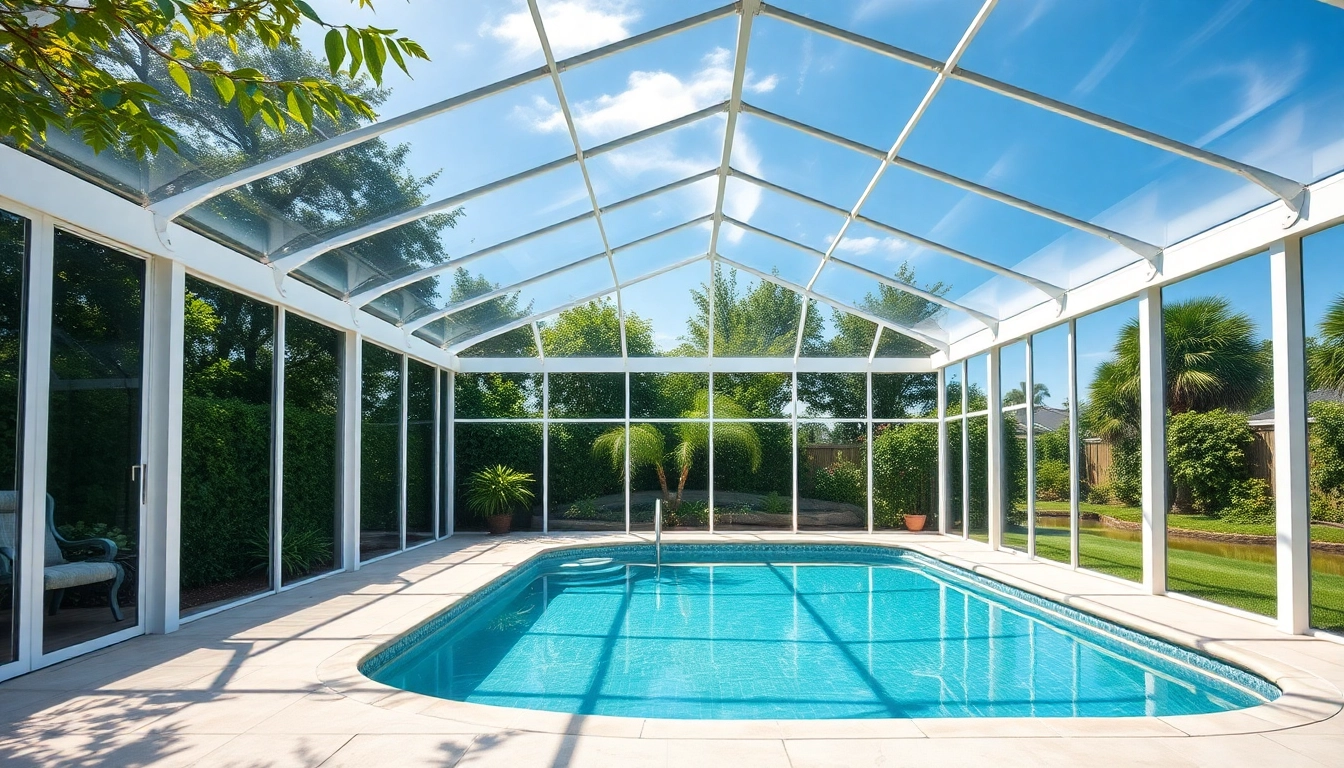
A Pool Enclosure is a structure designed to provide an additional layer of security, comfort, and usability to your swimming pool. The primary purpose of a pool enclosure is to create a barrier that protects the pool from external environmental elements, such as leaves, insects, and debris, while enhancing safety and security for children and pets. These enclosures allow for an extended swimming season by retaining heat and reducing evaporation, which can ultimately save on heating costs. Overall, they significantly contribute to maintaining the cleanliness and usability of the pool year-round.
Types of Pool Enclosure
Pool enclosures come in various designs and materials, each serving unique purposes and fitting different aesthetics. Common types of pool enclosures include:
- Screen Enclosures: These are typically made of aluminum frames with mesh screens that protect against insects while allowing airflow.
- Glass Enclosures: Made from tempered glass, these enclosures provide an unobstructed view while adding a modern aesthetic. They are excellent for maximizing sunlight.
- Retractable Enclosures: This type allows you to easily open or close the enclosure, giving you the flexibility to enjoy the outdoors when desired or to cover the pool when not in use.
- Inflatable Enclosures: A more temporary option, inflatable enclosures are easy to set up and take down, providing flexible coverage when needed.
Benefits of Installing a Pool Enclosure
Installing a pool enclosure offers a multitude of benefits, including:
- Extended Swimming Season: Enclosures create a microclimate, keeping the pool warmer during colder months.
- Reduced Maintenance: Less debris and dirt accumulate in the pool, minimizing cleaning efforts.
- Safety: Enclosures prevent unauthorized access, providing peace of mind for families with children and pets.
- Energy Efficiency: They help retain heat, reducing heating costs.
- Value Addition: A well-installed enclosure adds to the aesthetic appeal and market value of your property.
Choosing the Right Pool Enclosure
Factors to Consider
When selecting a pool enclosure, several factors should be taken into account to ensure it meets your specific needs and environment:
- Climate: Different materials perform better in various climates. For instance, strong glass may be preferable in colder areas, whereas mesh could be ideal in warmer areas.
- Installation Space: Ensure that you have enough space in your yard for the desired enclosure style.
- Budget: Pool enclosures can vary widely in cost based on materials and complexity, so it's essential to have a budget in mind.
- Design Preference: Choose a design that complements your home and landscape.
- Building Regulations: Check local building codes to ensure compliance with safety standards.
Material Options for Pool Enclosure
The material you choose for your pool enclosure affects durability, appearance, and maintenance requirements. Common materials include:
- Aluminum: Lightweight and resistant to rust, aluminum frames are a popular choice for both screen and glass enclosures.
- Polycarbonate: A durable option that can withstand significant impacts and is effective in maintaining temperature.
- Polyester Mesh: Typically used in screen enclosures, it allows for ventilation while keeping insects at bay.
Design Styles for Pool Enclosure
Pool enclosures come in various styles to fit different architectural designs and landscape aesthetics. Some popular designs include:
- Traditional: Often features classical lines and materials that blend seamlessly with natural surroundings.
- Modern: Emphasizes sleek, minimalistic designs using glass and metal for a contemporary look.
- Tropical: Incorporates natural materials and earthy tones to create a more organic feel.
- Custom Designed: Tailored specifically to your preferences and pool layout for a unique look.
Pool Enclosure Installation Process
Preparing Your Backyard
Before installation, proper preparation of the surrounding area is crucial:
- Clearing Debris: Remove any obstacles or debris from the installation site.
- Leveling the Ground: Ensure a level surface for the base of the enclosure.
- Access to Utilities: Check for any underground utilities to avoid damaging them during the installation.
Steps for Professional Installation
If hiring professionals, the installation process typically involves these steps:
- Consultation to understand your preferences and site conditions.
- Site preparation and measuring for accurate placement.
- Framework assembly and attachment.
- Installation of panels or screens, ensuring proper sealing and alignment.
- Final touches like finishing edges and testing the enclosure for durability.
DIY Pool Enclosure Installation Tips
If you prefer a DIY installation, here are essential tips to ensure success:
- Read Instructions Thoroughly: Familiarize yourself with the installation guide provided by the manufacturer.
- Use Quality Tools: Invest in good quality tools to reduce frustration and ensure a reliable build.
- Seek Help: Collaborate with a friend or family member to manage heavy materials and complex assembly tasks.
- Test Fit Components: Lay out parts before assembly to ensure everything fits as intended.
Maintenance and Care for Your Pool Enclosure
Cleaning Your Pool Enclosure
Regular maintenance is essential for prolonging the life of your enclosure:
- Mild Soap Solution: Use a diluted soap solution and soft cloth or sponge to clean surfaces. Avoid abrasive materials to prevent scratches.
- Screen Cleaning: Rinse screens with a hose to dislodge debris, followed by a mild detergent for deeper cleans.
Protecting Your Pool Enclosure from Weather
Enclosures face wear and tear from varying weather conditions:
- Wind Protection: Ensure the enclosure is securely anchored to withstand strong winds.
- Inspect Seals: Regularly check and replace seals to protect against water infiltration.
Regular Maintenance Tasks
Routine care includes:
- Inspecting Hardware: Regular checks for rust or loose screws are necessary to maintain stability.
- Cleaning Drainage Systems: Prevent clogs to ensure effective drainage and avoid water pooling.
Frequently Asked Questions about Pool Enclosure
What is the cheapest way to enclose a pool?
The inflatable swimming pool enclosure, also known as a bubble or dome, is typically the most affordable option, providing a simple cover for your pool.
What factors influence the cost of a pool enclosure?
Costs vary based on size, material quality, type of enclosure, and labor if hiring professionals. Prices can range from $4,000 to $50,000 on average.
Are pool enclosures worth the investment?
Yes, a pool enclosure enhances your outdoor area, extends the swimming season, reduces maintenance, and improves energy efficiency, making it a smart investment.
How do I clean and maintain my pool enclosure?
Regular cleaning with mild soap and water is essential, along with checking for wear and tear, especially after severe weather, to ensure longevity.
Can I install a pool enclosure myself?
Yes, some pool enclosures come in DIY kits. However, ensure you follow all instructions carefully for proper installation to ensure safety and durability.