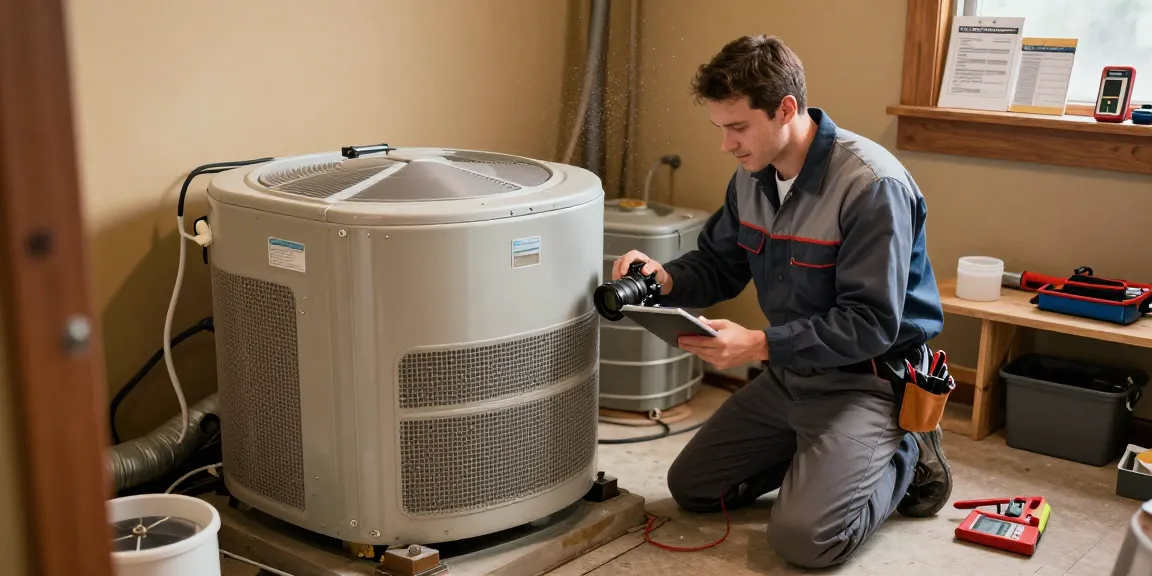
Understanding Residential Energy Calculation
What is Residential Energy Calculation?
Residential energy calculation involves determining the amount of energy consumed by a household over a defined period. This calculation takes into account various factors, including the types of appliances used, the overall size and layout of the home, and the specific energy requirements for heating, cooling, lighting, and other household activities. A precise residential energy calculation not only helps homeowners understand their energy consumption but also identifies areas for improvements that can lead to cost savings and increased efficiency.
Importance of Energy Calculations
The importance of residential energy calculations cannot be overstated. These calculations serve multiple purposes, ranging from financial budgeting to environmental impact assessments. By knowing exact energy values, homeowners can:
- Make informed decisions about energy providers and plans.
- Identify energy-hogging appliances and consider upgrades or replacements.
- Determine the feasibility of renewable energy sources, like solar panels.
- Enhance comfort in their homes through better heating and cooling strategies.
Key Components of Energy Calculations
Understanding the components that contribute to energy calculations is critical for accuracy. Key components include:
- Heating and Cooling Needs: Calculating the energy requirements for HVAC systems based on home size and insulation quality.
- Appliance Energy Use: Evaluating the energy consumption of all appliances, from refrigerators to heating devices.
- Lighting: Assessing how much energy is used by lighting systems, including bulbs and fixtures.
- Water Heating: Considering the energy used for heating water, which can account for a significant portion of home energy consumption.
Methods for Conducting Residential Energy Calculation
DIY Approaches to Energy Calculation
Homeowners can conduct a basic energy assessment using DIY methods. This involves gathering monthly energy bills, checking the ratings of appliances, and using simple formulas to estimate consumption. For instance, homeowners can:
- Record the wattage of each appliance, typically found on the device's specification label.
- Estimate daily usage hours for each appliance.
- Multiply wattage by hours of use to find daily kilowatt-hours (kWh) consumed.
- Sum all appliance consumption to obtain total daily usage.
Using Technology and Tools
For a more detailed approach, technology has provided several tools that simplify residential energy calculations. Home energy management systems (HEMS) provide real-time energy monitoring and analysis. Additionally, energy calculation software can accurately determine energy needs based on comprehensive data inputs, leading to more informed decisions.
Expert Consultation for Accurate Results
While DIY methods and technology can assist in energy calculations, consulting with energy professionals often yields the most precise results. Energy auditors can provide detailed reports that analyze not only current energy consumption but also suggest improvements in efficiency based on specific home characteristics.
Calculating Energy Consumption: Step-by-Step
Identifying Your Energy Needs
Identifying specific energy needs is the first practical step in energy calculation. Homeowners should consider the purpose of energy consumption in their residence, including heating, cooling, lighting, and appliance use. Each component has a unique energy requirement based on its use and efficiency.
Analyzing Appliance Usage
Next, a thorough analysis of appliance usage is essential. Homeowners can use tools like energy monitors to evaluate which appliances contribute most to energy consumption. Additionally, compiling a list of appliances alongside their respective energy ratings helps in understanding the overall demand.
Converting Metrics to Estimates
The final step involves converting collected metrics into actionable estimates. Homeowners can use a straightforward formula to convert total wattage consumption into kilowatt-hours, thus making it easier to calculate monthly costs. Understanding utility bills in this context enhances transparency in energy spending.
Benefits of Accurate Residential Energy Calculation
Cost Savings on Monthly Bills
One of the most attractive benefits of accurate residential energy calculations is the potential for substantial cost savings. By identifying energy-hungry appliances and replacing or upgrading them with more efficient models, homeowners can significantly lower their monthly utility bills, thus improving their financial situation.
Enhanced Home Comfort and Performance
Accurate energy calculations lead not only to cost savings but also to enhanced comfort in the home. Properly sized heating and cooling systems, improved insulation, and optimized appliance use contribute to a greater overall living experience, maintaining desirable temperatures and air quality.
Environmental Impact and Sustainability
Finally, embracing energy efficiency through accurate calculations plays a significant role in reducing a household's carbon footprint. By minimizing energy consumption, homeowners can significantly contribute to environmental sustainability, which is crucial for future generations. Increasing the adoption of renewable energy sources further enhances this positive impact.
Addressing Common Questions about Residential Energy Calculation
Frequently Asked Questions
1. How do I calculate how much energy my house will use?
To calculate your home's energy consumption, first determine the wattage of your appliances, then estimate daily usage hours. Multiply these numbers to get daily kWh. Add all daily usage to get your total monthly consumption.
2. What factors affect residential energy calculations?
Key factors include the size of the home, the energy efficiency of appliances, insulation levels, and occupancy patterns, all of which affect energy needs and consumption significantly.
3. Can energy calculations help in reducing my bills?
Yes! By identifying inefficiencies and making necessary adjustments, such as upgrading to energy-efficient appliances, you can lower your energy consumption and reduce monthly bills.
4. Are there tools available for energy calculations?
Absolutely! Several online calculators and apps can assist in estimating energy needs, alongside home energy management systems that provide real-time monitoring.
5. How often should I conduct energy calculations?
It’s advisable to perform energy calculations annually or whenever significant changes occur in the household, such as purchasing new appliances, moving homes, or renovating.