Understanding Solar System Repair
As solar energy gains traction as a sustainable energy source, the importance of maintaining solar systems has become paramount. Solar systems, like any other technology, require regular upkeep and occasional repairs to ensure optimal performance. Understanding solar system repair is essential for homeowners and businesses that rely on these systems for energy needs.
What is Solar System Repair?
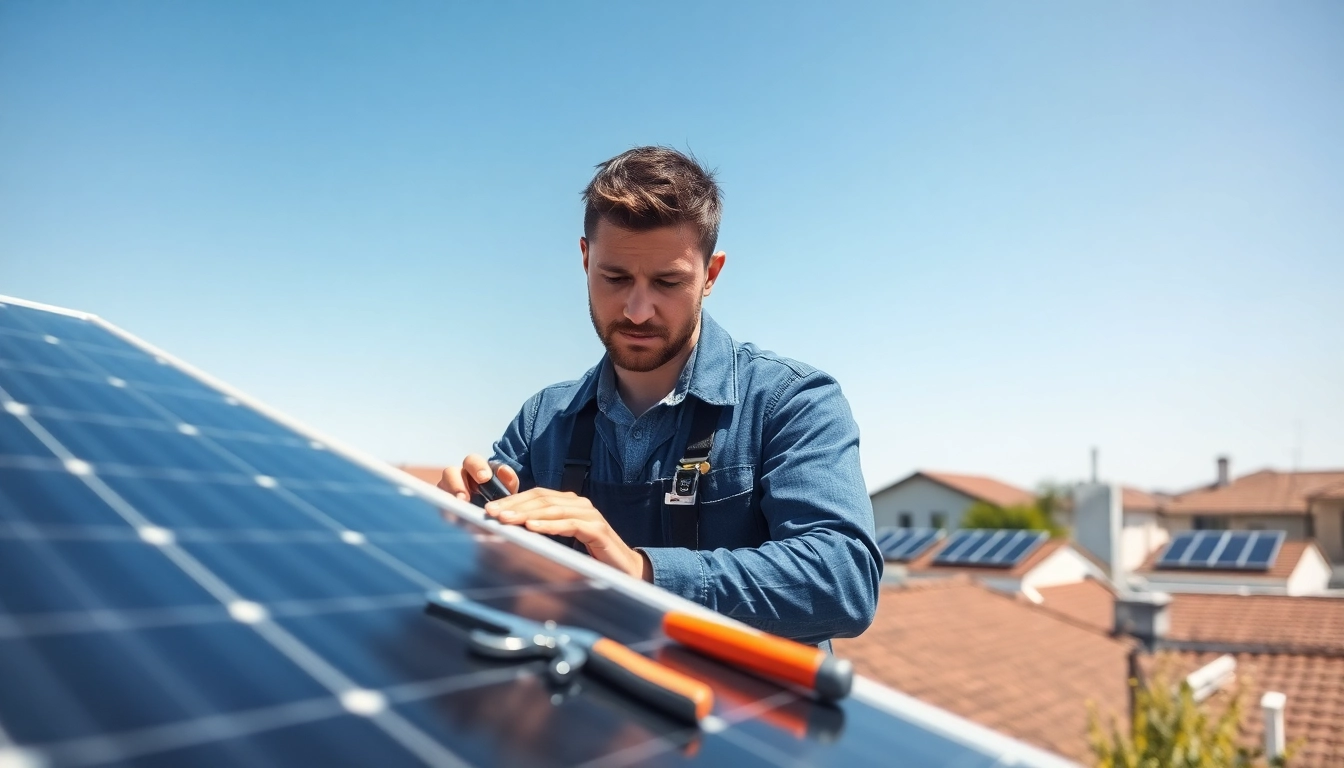
Solar system repair refers to the maintenance and repair of solar panels, inverters, batteries, and other components of a solar energy system. Repairs can range from replacing damaged panels to fixing electrical faults, ensuring that the entire system remains efficient and operational. Solar repair encompasses a variety of technical tasks aimed at restoring the system's performance and maximizing energy output.
Common Issues in Solar Systems
Numerous issues can arise in solar energy systems, impacting their efficiency and energy production. Some of the most common issues include:
- Physical Damage: Solar panels can be damaged by hail, falling debris, or high winds.
- Inverter Malfunctions: Inverters can experience failures due to overheating or electrical faults, preventing the conversion of DC electricity to AC.
- Wiring Issues: Poorly connected or damaged wiring can disrupt the flow of electricity throughout the system.
- Panel Soiling: Dirt, dust, and other debris can accumulate on panels, obstructing sunlight and reducing output.
Why Timely Repairs Matter
Delaying repairs can lead to reduced efficiency and higher long-term costs. Timely repairs ensure that the solar system operates at its peak capacity, avoiding wasted energy and potential safety hazards. Additionally, regular maintenance can help extend the lifespan of the components, providing long-term savings on energy bills. Moreover, prompt attention to repairs can prevent further damage, which could lead to more extensive and costly fixes.
Identifying Problems in Solar Systems
Signs Your System Needs Repair
Identifying issues in a solar system early can save time and money. Here are several signs that your system may require repair:
- Decreased Energy Output: If your energy production suddenly drops, it could indicate a problem.
- Inverter Warning Lights: Most inverters display warning lights for malfunctions; a blinking light usually indicates an issue.
- Physical Damage: Visible cracks or breaks in the solar panels should prompt an inspection.
- Unusual Noises: Any strange sounds from the inverter or other components can signal problems.
Diagnostic Tools for Assessing Damage
Diagnosing issues in solar systems often involves specialized tools and techniques. Some of the common tools include:
- Multi-meters: These devices assess voltage, current, and resistance in the system's electrical components.
- Thermal Cameras: Used for identifying hot spots on solar panels, thermal cameras can help locate inefficiencies.
- Data Loggers: These tools record energy output over time, helping identify patterns and issues with performance.
Professional vs. DIY Assessments
While many homeowners may be tempted to perform DIY assessments, it's crucial to understand the risks. Professional technicians possess specialized training and tools to accurately diagnose and assess system issues. They can also ensure that repairs comply with local regulations and safety standards. However, homeowners can perform routine inspections such as checking for visible damages and monitoring energy output.
Common Solar System Repairs
Panel Damage and Replacement
Panel damage is one of the most frequent issues faced by solar system users. Damage can occur from weather events, impact from objects, or age deterioration. Depending on the extent of the damage, the panels may need to be repaired or replaced entirely. Regular visual inspections can help identify cracks or other damage early, allowing for timely repairs before efficiency is compromised.
Inverter Issues: Troubleshooting and Solutions
The inverter is a critical component of any solar system, responsible for converting solar energy into usable electricity. Common issues with inverters include:
- Overheating: Insufficient ventilation can cause inverters to overheat, leading to shutdowns. Adequate placement and airflow should be ensured.
- Electrical Faults: Inverters may experience short circuits or other electrical issues due to aging or manufacturing defects.
- Firmware Updates: Keeping inverter software up-to-date can resolve operational glitches and enhance functionality.
Electrical Faults and Wiring Repairs
Electrical faults, often a byproduct of wear and tear, can hinder the performance of a solar system. This could involve damaged wiring, corroded connections, or faulty junction boxes. Regular maintenance checks should focus on:
- Visual Inspections: Identifying visible signs of wear on wiring and connections can prevent larger issues.
- Testing Connections: Technicians should regularly test electrical connections to ensure they are secure and functioning correctly.
- Repairing or Replacing Wires: Damaged wires need immediate attention, as they can significantly reduce system efficiency.
Maintaining Your Solar System for Longevity
Regular Inspection Routines
Establishing a regular inspection routine is vital for the longevity and efficiency of solar systems. Homeowners should consider:
- Annual Professional Inspections: Having a qualified technician perform an annual thorough inspection can help catch potential issues early.
- Bi-Annual Self-Inspections: Homeowners can conduct simple visual checks every six months, looking for dirt, damage, and performance drops.
Best Practices for Solar Panel Care
To maintain solar panels and enhance their lifespan, it's essential to follow these best practices:
- Regular Cleaning: Keeping panels clean eliminates debris buildup that can obstruct sunlight.
- Avoiding Obstacles: Trim nearby trees or remove objects that could cast shadows on the panels, reducing their efficiency.
- Monitoring System Performance: Leveraging monitoring tools can help observe any deviations from expected performance levels on a daily basis.
Updates and Upgrades: Enhancing Efficiency
Technology in solar energy is continually improving. Homeowners should consider upgrading components like inverters or adding battery storage systems to enhance energy efficiency and storage capabilities. Furthermore, staying informed about advancements in solar technology ensures that your system remains competitive and efficient.
Finding Professional Solar System Repair Services
What to Look for in Repair Technicians
Finding a qualified solar system repair technician is essential for ensuring that repairs are done correctly. Key factors to consider include:
- Licensing and Certification: Verify that technicians hold the necessary licenses and certifications that demonstrate their competence.
- Experience: Look for technicians with extensive experience in solar system repairs, particularly in your specific system type.
- References and Reviews: Check online reviews or ask for references to gauge customer satisfaction and reliability.
Cost Considerations for Solar Repairs
Costs for solar system repairs can vary widely based on the type of repair needed, the region, and the specific technician. Basic inspections and minor repairs may only cost a couple of hundred dollars, while more extensive issues involving inverter replacements or panel overhauls can climb into the thousands. It's advisable to obtain multiple quotes to ensure competitive pricing.
Choosing Local vs. National Services
When seeking repair services, homeowners face a choice between local and national companies. Local services often provide personalized attention and knowledge of local regulations, whereas national companies might offer broader expertise and resources. Weighing the pros and cons and considering the specific needs of your solar system can help you make an informed decision.
FAQs About Solar System Repair
Can solar panels be repaired if they have cracks?
Yes, minor cracks in solar panels can often be repaired, but it depends on the extent of the damage. A qualified technician should assess whether repair or replacement is necessary.
How often should I get my solar system inspected?
It is recommended to have your solar system professionally inspected at least once a year. Routine self-inspections every six months can also help catch issues early.
What are the signs of inverter problems?
Common signs of inverter issues include warning lights on the inverter, decreased power output, and unusual noises. A professional should be contacted for diagnosis and repair.
How can I maintain my solar panels?
Regular cleaning, visual inspections, and monitoring system performance are key maintenance practices for solar panels. Keeping them free of debris enhances efficiency.
Are there warranties for solar system repairs?
Most solar systems come with warranties that cover repairs for a specified period. Check with your provider to understand the terms and ensure any repairs fall under these protections.