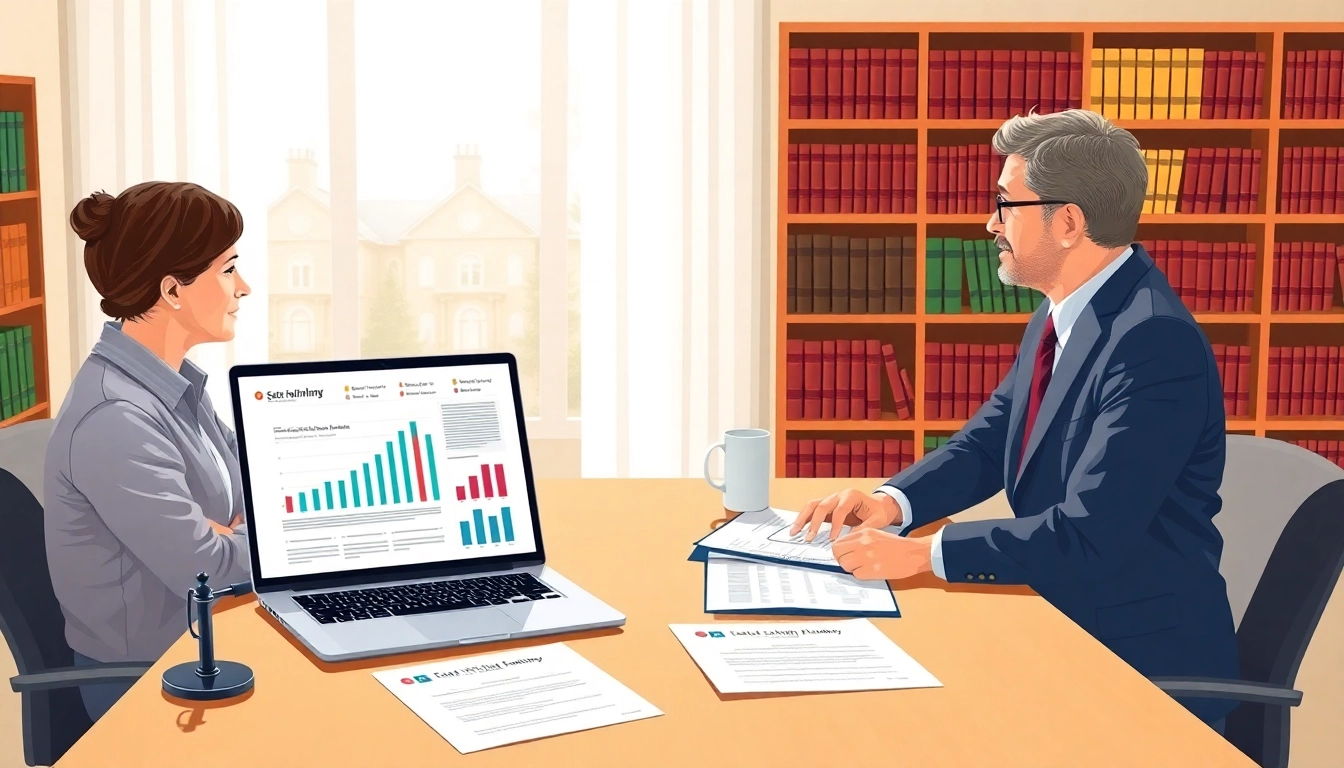
Understanding Estate Planning
Estate planning involves preparing for the management and transfer of your assets in the event of incapacity or death. It encompasses a range of practices and legal documents designed to ensure your wishes are honored and that your loved ones are taken care of. Engaging in proper Estate Planning allows you to control how your assets are distributed, minimizes potential taxes, and helps you make critical decisions about healthcare and finances. This article will guide you through the essentials of estate planning, ensuring you understand its importance and the steps you need to take to establish a solid plan.
What is Estate Planning?
At its core, estate planning is the process of organizing your affairs to dictate how your assets should be managed and distributed upon your death or if you become incapacitated. This involves not only financial assets, such as property and investments, but also non-tangible assets like intellectual property and digital assets. Estate planning is not just for the wealthy; anyone who wants to control their legacy and ensure their loved ones are protected should consider it.
Importance of Estate Planning
Estate planning serves multiple important functions. First, it allows you to direct how your property will be distributed after your death, helping to prevent family disputes. Second, it provides peace of mind, ensuring your wishes will be respected. Moreover, a well-crafted estate plan can significantly reduce the tax burden on your heirs and protect your assets from creditors. Lastly, it allows you to appoint individuals to make healthcare and financial decisions on your behalf if you are unable to do so.
Key Components of an Estate Plan
The essential components of an estate plan typically include:
- Wills
- Trusts
- Power of Attorney (POA)
- Healthcare Directives
- Beneficiary Designations
Each of these elements plays a critical role in ensuring that your plans are executed according to your wishes, protecting both your assets and your loved ones.
Legal Documents Needed for Estate Planning
Wills: The Foundation of Estate Planning
A will is a foundational document in estate planning. It outlines how you want your assets divided and who will serve as guardians for any minor children. Without a will, state laws dictate asset distribution, which may not align with your desires. A will allows for the explicit designation of beneficiaries, minimizing conflict and confusion.
Trusts: Managing Your Assets
Trusts are legal entities that hold and manage assets on behalf of beneficiaries. There are various types of trusts, including revocable and irrevocable trusts, each serving different purposes like avoiding probate, minimizing taxes, or protecting assets from creditors. Using trusts can provide more control over when and how assets are distributed, especially for beneficiaries who may not be financially responsible.
Power of Attorney and Healthcare Directives
A Power of Attorney (POA) allows you to designate someone to make financial or legal decisions on your behalf if you become incapacitated. Similarly, healthcare directives appoint someone to make medical decisions based on your wishes. These documents are essential for ensuring your preferences are honored when you cannot advocate for yourself.
Steps to Create Your Estate Plan
Assessing Your Assets
The first step in creating an estate plan is a thorough assessment of your assets and liabilities. Take inventory of everything you own, including real estate, bank accounts, retirement accounts, investments, and personal property. Understanding your financial situation is crucial in determining how to distribute your assets.
Choosing Decision-Makers
Deciding who will be responsible for your financial and healthcare decisions is critical. Consider individuals who are trustworthy, understand your values, and can make difficult choices. Discuss your wishes with them to ensure they are willing and able to fulfill these responsibilities.
Communicating Your Wishes
Effective communication of your estate plans is vital. Inform your family and trusted friends of your plans, the location of your documents, and the thought process behind your decisions. This transparency helps to prevent disputes and ensures everyone understands your intentions.
Common Estate Planning Mistakes
Neglecting to Update Your Plan
Many individuals create an estate plan and then forget about it. Life changes such as marriage, divorce, the birth of children, or changes in financial status require updates to your estate plan. Regularly reviewing and adjusting your plan ensures that it remains relevant to your current situation.
Overlooking Tax Implications
Failing to consider the tax implications of your estate plan can result in a significant burden on your heirs. It's essential to understand estate taxes and how your assets may be taxed when transferred. Consulting a financial advisor or estate planning attorney can help you navigate these complexities to minimize tax impacts.
Not Considering Digital Assets
In today’s digital age, many individuals overlook their digital assets, such as online accounts, social media profiles, and cryptocurrency. It's important to include these in your estate plan, providing clear instructions on how you want them to be handled after your death.
FAQs about Estate Planning
What are the 7 steps in the estate planning process?
The 7 steps are: Assess your assets, define your goals and priorities, choose key decision-makers, create essential documents, review beneficiary designations, consider tax implications, and communicate your plan.
How much does it cost to plan an estate?
Costs for estate planning can vary widely, ranging from $15 for a basic will to more than $5,000 for comprehensive plans. The expenses depend on your needs and the complexity of your estate.
What is the difference between a will and a trust?
A will specifies how your assets should be distributed after your death, while a trust can manage your assets for beneficiaries during your life and after your death. Trusts can avoid probate, whereas a will goes through the probate process.
Can I do estate planning on my own?
While it's possible to create an estate plan on your own using templates, it's advisable to consult an estate planning attorney to ensure that all documents are legally valid and tailored to your specific circumstances.
How often should I update my estate plan?
You should review and update your estate plan every few years or whenever significant life changes occur, such as marriage, divorce, the birth of a child, or any substantial change in your financial situation.