Understanding House Washing
When it comes to maintaining the exterior of your home, House Washing serves as a pivotal task that ensures both aesthetic appeal and longevity. Proper cleaning not only enhances the beauty of your property but also protects it from the detrimental effects of dirt, mold, and grime. This article delves into the essentials of house washing, its numerous benefits, and practical guidelines to ensure your home remains clean and healthy.
What Is House Washing?
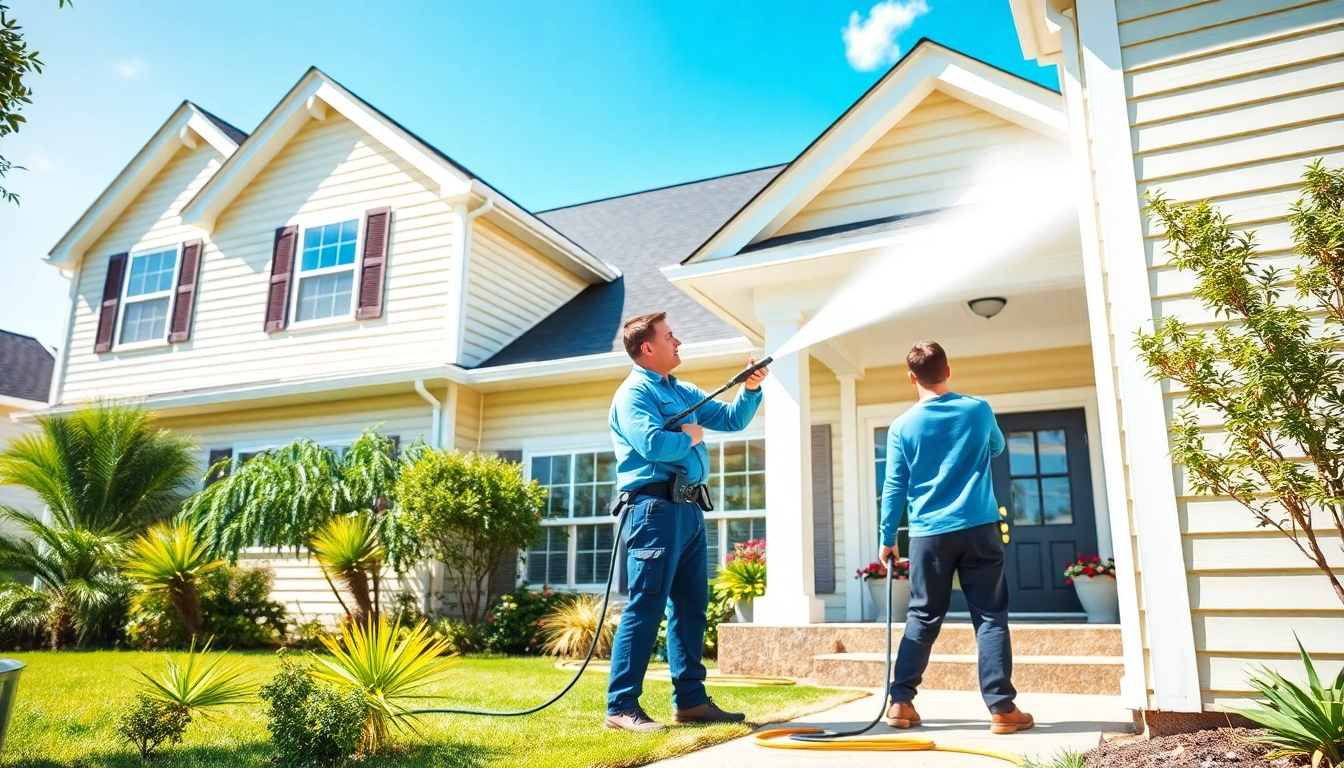
House washing refers to the cleaning process of a home's exterior surfaces. This can include walls, roofs, windows, decks, and porches. Various methods are employed during this process, with the most common being pressure washing and soft washing. Depending on the materials and condition of your home, each method can be applied for optimal results without causing damage.
Benefits of House Washing
The advantages of regular house washing extend beyond mere aesthetics. Here are the key benefits:
- Enhances Curb Appeal: Regular cleaning removes dirt and stains, making your home look well-kept and inviting.
- Protects Structural Integrity: Mold, mildew, and algae can deteriorate building materials over time; house washing helps mitigate these risks.
- Prevents Health Hazards: A clean environment reduces allergens and potentially harmful microorganisms that can affect occupants' health.
- Increases Property Value: Maintaining a clean exterior can enhance the resale value of your home, attracting potential buyers.
Difference Between Pressure and Soft Washing
Understanding the distinction between pressure washing and soft washing is crucial for anyone considering house washing.
- Pressure Washing: This technique utilizes high-pressure water jets to remove dirt and stains. It's effective for concrete and hard surfaces but can damage softer materials, such as wood and certain types of siding.
- Soft Washing: Utilizing lower pressure, this method employs special cleaning solutions to eliminate mold, mildew, and other contaminants. Soft washing is safer for delicate surfaces and is generally recommended for homes with painted or textured finishes.
Preparing for House Washing
Assessing Your Home's Exterior
Before embarking on house washing, conducting a thorough assessment of your home's exterior is essential. Look for areas heavily affected by dirt and grime, noting sections with mold or mildew growth. Check the type of siding or materials used on your home, as this will determine which washing method is most appropriate.
Choosing the Right Equipment
Depending on the chosen washing method, gather the necessary equipment. For pressure washing, a reliable pressure washer and the appropriate nozzle are essential. In contrast, soft washing will require a sprayer that can handle washing solutions. Additional tools like extension ladders, brushes, and safety gear are also essential.
Safety Precautions to Consider
Safety should never be overlooked during house washing. Wear protective eyewear and gloves to safeguard against splashes of cleaning solutions or debris kicked up by the washing process. Ensure you have stable footing when using ladders and never work near electrical lines or during inclement weather, such as rain or strong winds.
Step-by-Step Guide to House Washing
Gathering Necessary Tools and Materials
Before starting the washing process, ensure you have all necessary tools at hand. This includes:
- Pressure washer or soft wash equipment
- Cleaning solutions appropriate for your home's exterior
- Protective gear ( goggles, gloves, non-slip shoes)
- Brushes for scrubbing stubborn areas
- Tarps to protect landscaping
Executing the Washing Process
For effective house washing, follow these steps:
- Preparation: Remove any outdoor furniture or decorations from the area to be cleaned.
- Testing Solutions: Before applying cleaning solutions, always perform a spot test on an inconspicuous area.
- Washing: Start from the top of the surface and work your way down. This prevents dirty water from running onto already cleaned areas.
- Rinsing: Thoroughly rinse the surfaces with clean water to remove all soap and dirt residue.
Post-Cleaning Tips for Maintenance
After washing, consider implementing maintenance routines to prolong cleanliness. Regularly check for mold and dirt accumulation, especially in humid environments. Extend intervals between cleanings with preventive measures, such as sealing, painting, or using mold-resistant solutions.
Common Challenges in House Washing
Dealing with Stubborn Stains
Some stains are more challenging to eliminate. Stubborn stains from oil, rust, or mildew may require specialized cleaning products or additional scrubbing. Always address these promptly to prevent lasting damage to your home's exterior.
Weather Considerations
Weather significantly affects house washing results. Ideal conditions involve mild temperatures with low wind. Avoid washing during extreme weather conditions, including high humidity, rain, or direct sunlight, as this can lead to streaks or ineffective cleaning.
Addressing Safety Concerns
House washing involves various safety risks, from slipping to chemical exposure. To mitigate these risks, always follow safety guidelines, wear appropriate gear, and ensure that anyone assisting you is informed of best practices regarding equipment and safety measures.
FAQs About House Washing
How often should I wash my house?
Ideally, wash your house at least once a year. Factors like location and weather can dictate more frequent washes, especially in areas prone to high humidity or pollution.
What’s the average cost of house washing?
House washing costs can vary based on the property's size and location. Typical ranges are between $200 - $400, with the price reflecting the method and equipment used.
Will house washing damage my plants?
When performed correctly, house washing should not harm plants. Covering nearby vegetation and using appropriate cleaning solutions minimizes potential risks to your garden.
Can I wash my house myself?
Yes, many homeowners opt to wash their homes themselves, but it's vital to understand the proper techniques and safety precautions to avoid damage to the home or injury to yourself.
What’s the best time of year for house washing?
The best time for house washing is during spring or early fall when the weather is typically mild, allowing for effective cleaning without rapid drying of solutions.