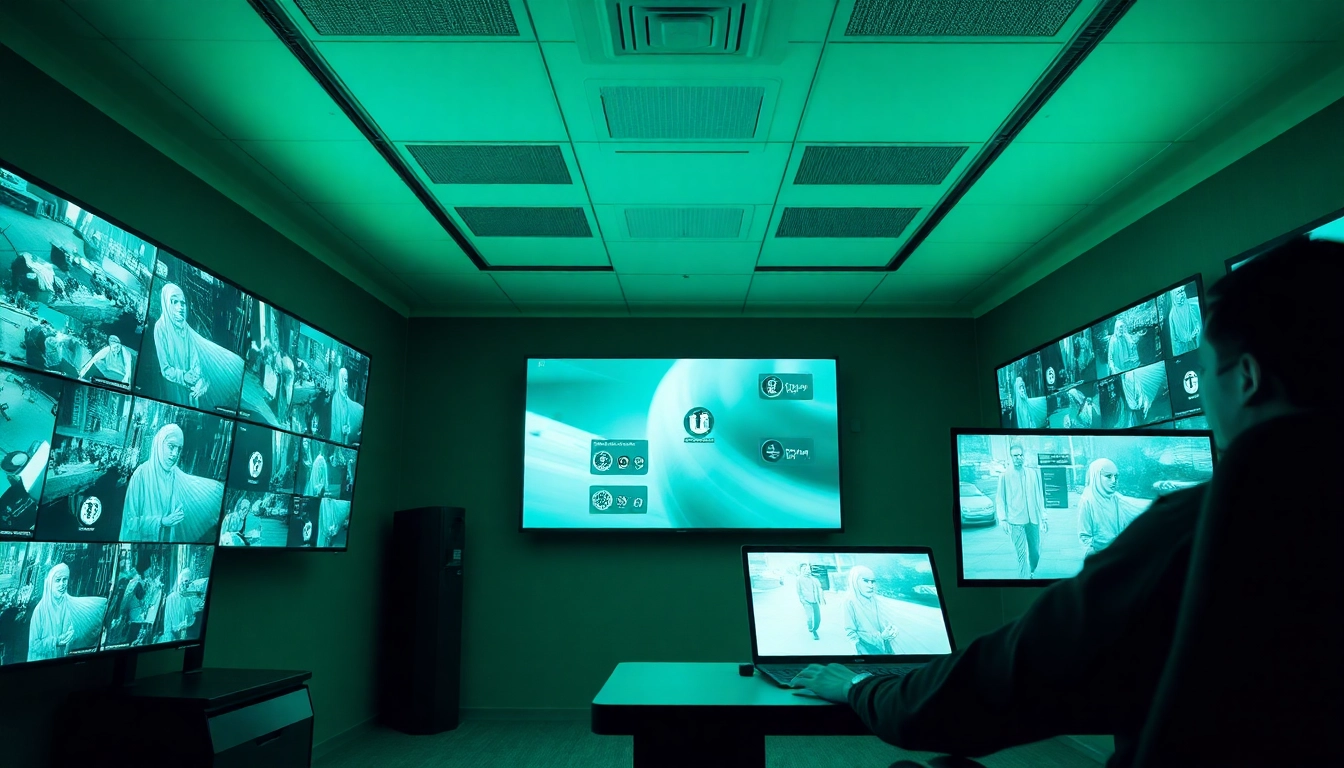
Introduction to AI Video Analytics
Understanding AI Video Analytics
AI video analytics is at the forefront of modern security and monitoring solutions. By leveraging AI video analytics, organizations can transform traditional surveillance into a proactive and intelligent security system. This technology encompasses various applications that utilize artificial intelligence and machine learning algorithms to analyze video footage. It enables real-time analysis, event detection, and anomaly recognition, providing users with actionable insights from surveillance data that were previously impossible to obtain.
Key Benefits of AI Video Analytics
The benefits of implementing AI video analytics are numerous. Firstly, it significantly enhances the accuracy of surveillance by minimizing human error and processing large amounts of data in real-time. Secondly, it reduces false alarms by intelligently discerning actual threats from benign activities. This ability to filter data not only saves time but also allows security personnel to focus on critical events. Moreover, AI video analytics facilitates better situational awareness, providing insights that can lead to proactive measures rather than reactive responses. Lastly, the data collected can contribute to predictive analytics, helping organizations anticipate and mitigate future incidents.
How AI Video Analytics Works
The backbone of AI video analytics lies in its sophisticated algorithms. These algorithms are built on deep learning and neural networks that analyze patterns and features in video data. Initially, the system ingests vast quantities of video inputs, and through a process known as training, it learns to recognize specific behaviors or anomalies relevant to the context it is monitoring.
As the system processes the video feeds, it employs techniques such as object detection, facial recognition, and behavior analysis. This advanced processing allows the AI to classify actions, identify individuals, and even recognize unusual patterns in behavior that may indicate suspicious activity. The system continuously adapts and improves over time, becoming more precise and efficient with each analysis cycle.
Common Use Cases of AI Video Analytics
AI Video Analytics in Security Systems
One of the most critical applications of AI video analytics is in security systems. Traditional surveillance methods often lead to vast amounts of video footage, which can be challenging to monitor effectively. However, AI-powered solutions can automatically alert security personnel to pivotal events, such as unauthorized access, aggression, or theft.
This advanced capability not only enhances security measures but also plays a vital role in evidence collection. Recorded incidents analyzed by AI video analytics can provide law enforcement with precise timelines and actions relevant to criminal activities.
Applications in Retail and Customer Behavior Analysis
Retailers are increasingly adopting AI video analytics to gain insights into customer behaviors and optimize operations. By analyzing foot traffic, dwell time, and customer interactions, retailers can tailor marketing strategies and enhance the shopping experience. For instance, identifying popular product displays enables strategic placement and inventory management.
In addition, AI video analytics can monitor in-store activities and enhance staff efficiency, ensuring that customers receive timely assistance. By correlating video data with sales trends, retailers can predict demand and manage resources effectively.
Smart Cities and Urban Safety Enhancements
The deployment of AI video analytics is a transformative force in smart city initiatives. Through extensive networked surveillance systems, cities can analyze traffic patterns, monitor public spaces, and respond effectively to emergencies. This approach not only elevates public safety but also aids in urban planning, whereby data-driven decisions can improve infrastructure and resource allocation.
Moreover, AI video analytics can assist in crowd management during events, ensuring safety protocols and efficient flow of people. The insights gathered contribute to creating a more secure and responsive urban environment.
Challenges in Implementing AI Video Analytics
Data Privacy Concerns
Data privacy is a significant concern that organizations must address when implementing AI video analytics. The deployment of active surveillance systems raises questions about the ethical use of collected data and individuals' rights. Striking a balance between security and privacy is paramount, requiring transparency in how data is used and strict adherence to regulations.
Organizations should establish clear privacy policies, conduct impact assessments, and educate stakeholders to foster trust while ensuring compliance with local and international privacy laws.
Integration with Existing Systems
Integrating AI video analytics with existing security systems can present technical challenges. Organizations must evaluate their current infrastructure and determine compatibility with new solutions. This often involves upgrading hardware, software, and training staff to utilize advanced features effectively.
To facilitate seamless integration, organizations should work with technology partners that offer support and expertise in customizing solutions tailored to their specific needs.
Cost Considerations and Value Assessment
While AI video analytics can offer significant long-term benefits, initial implementation costs can be a barrier for some organizations. It is essential to conduct a thorough value assessment, considering the potential cost savings from reduced theft, improved operational efficiency, and enhanced safety measures.
Investing in this technology should be viewed as a long-term strategy rather than a mere procurement. Organizations need to measure performance metrics and continually refine their strategies to maximize return on investment.
Best Practices for Utilizing AI Video Analytics
Choosing the Right Solutions for Your Needs
The first step in successfully leveraging AI video analytics is selecting the right solutions tailored to your organization's specific requirements. Factors such as the scale of operations, types of environments to monitor, and specific outcomes desired should guide your decision-making process. It’s crucial to analyze vendor capabilities, ensuring they align with your goals and have proven track records.
Training Staff for Effective Use
Successful implementation of AI video analytics relies heavily on staff training. Security personnel and operational staff should receive comprehensive training on how to interpret analytical data, respond to alerts, and utilize the technology proficiently. Regular workshops and refresher courses can ensure ongoing competency and promote a culture of security awareness.
Regular Review and Adjustment of Parameters
AI video analytics systems should not remain static; continuous optimization is essential for effectiveness. Regularly reviewing and adjusting analytical parameters based on evolving security threats and emerging trends ensures that your surveillance technology remains relevant and impactful. Organizations should also solicit feedback from staff on system performance and make necessary enhancements.
Future Trends in AI Video Analytics
Emerging Technologies Impacting AI Video Analytics
Emerging technologies such as edge computing and 5G connectivity are poised to revolutionize AI video analytics. Edge computing facilitates real-time data processing, enabling quicker response times and reducing bandwidth requirements. Meanwhile, the rollout of 5G will enhance connectivity and support a myriad of devices, making massive video streams more manageable and accessible.
Predicted Developments in AI Algorithms
The evolution of AI algorithms will introduce even more sophisticated capabilities to video analytics systems. Future algorithms will improve the precision of facial recognition, object detection, and behavior analysis, allowing systems to discern subtle nuances in human interactions. This advance will further enhance security measures and organizational efficiency.
The Growing Importance of Real-time Data Processing
Real-time data processing is becoming increasingly vital as the urgency of security incidents accelerates. The capability to analyze and respond to events instantaneously empowers organizations to take immediate action in crisis situations. With the integration of AI-driven analytics, the accuracy and speed of decision-making will significantly improve, leading to more effective surveillance and safety strategies.
Frequently Asked Questions
What is AI video analytics?
AI video analytics refers to the use of artificial intelligence to analyze video feeds, detecting and interpreting patterns, objects, and actions in real time to derive actionable insights.
How does AI video analytics improve security?
By automating surveillance processes and accurately identifying threats, AI video analytics provides timely alerts and reduces false alarms, enhancing overall security management.
What are the privacy implications of AI video analytics?
AI video analytics raises privacy concerns due to constant surveillance; thus, organizations must implement strict policies regarding data usage and ensure compliance with privacy regulations.
Can AI video analytics integrate with existing systems?
Yes, AI video analytics can typically integrate with current security infrastructure, but organizations should review compatibility and plan for necessary upgrades to optimize functionality.
What future trends are shaping AI video analytics?
Emerging technologies like edge computing and real-time data processing, along with advanced algorithm developments, are set to significantly enhance AI video analytics capabilities.
In conclusion, AI video analytics offers transformative possibilities for security and operational efficiency across various sectors. By understanding its functionalities and implications, organizations can harness its potential to enhance safety and operational insights.