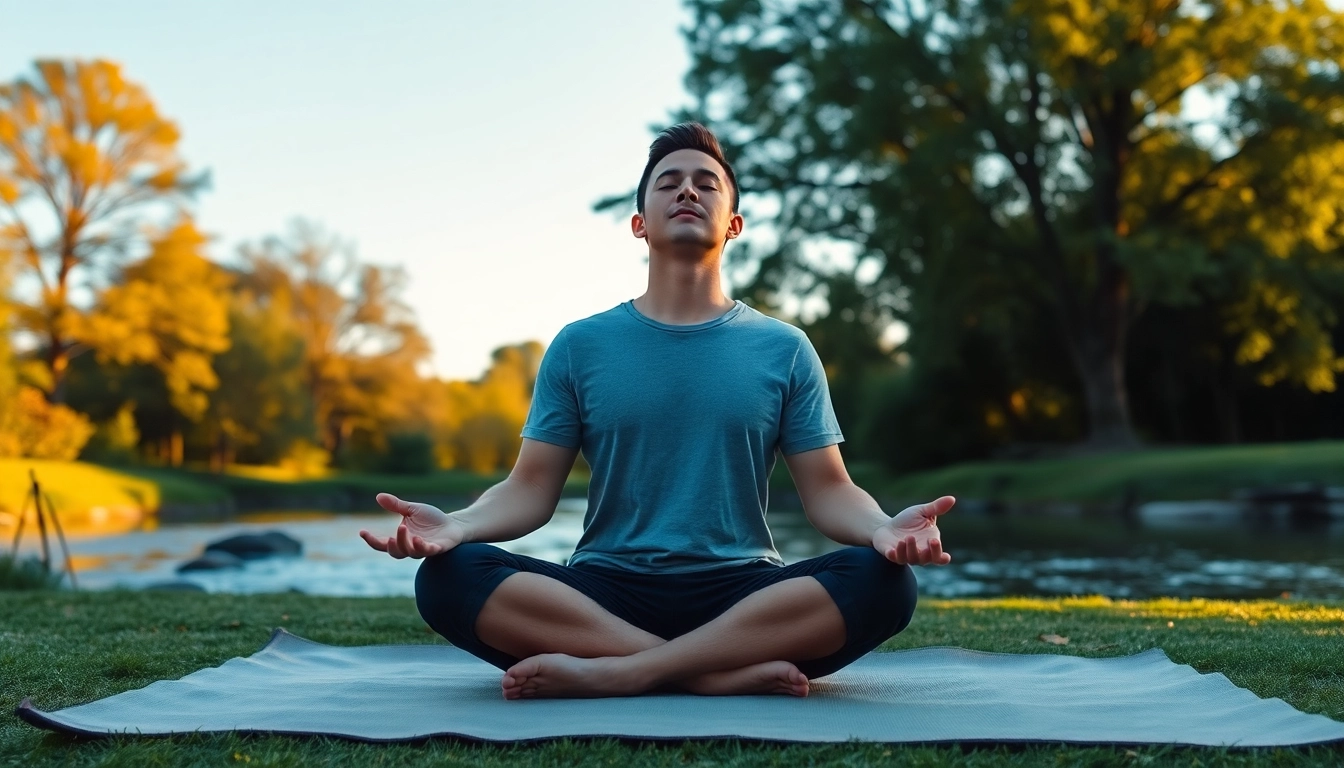
Understanding the Square Breathing Technique
What is Square Breathing?
Square breathing, often referred to as box breathing, is a powerful technique that involves a structured breathing pattern designed to promote mindfulness and relaxation. It combines four steps—inhale, hold, exhale, and hold—all of equal duration, creating a square-like rhythm. This method is particularly effective for managing stress and anxiety, allowing individuals to center their thoughts and enhance focus. As you learn to master the square breathing technique, you'll discover its applications in various settings, from professional environments to personal wellness practices.
Benefits of Square Breathing Technique
The square breathing technique offers numerous benefits that are backed by science and anecdotal evidence. Here are some key advantages:
- Reduces Stress: By focusing on your breathing, you can lower cortisol levels, helping to alleviate the physical symptoms of stress.
- Enhances Focus: Engaging in structured breathing has been shown to improve concentration, making it a valuable tool for students and professionals alike.
- Supports Emotional Regulation: Square breathing can cultivate a sense of calm, allowing for better management of emotions, particularly in high-pressure situations.
- Improves Sleep Quality: Incorporating square breathing into your pre-sleep routine can enhance relaxation, leading to more restful sleep.
Physiological Effects of Square Breathing
Practicing square breathing has significant physiological effects on the body. Engaging in deep, measured breaths activates the parasympathetic nervous system, which induces a relaxation response. This process can:
- Lower Heart Rate: Slowed breathing leads to a decrease in heart rate, promoting a state of calm.
- Enhance Oxygenation: Deep breaths increase oxygen flow to the brain and other organs, supporting overall health.
- Regulate Blood Pressure: Lowering the heart rate can also reduce blood pressure, contributing to cardiovascular health.
How to Practice Square Breathing
Step-by-Step Guide to Square Breathing Technique
To effectively practice the square breathing technique, follow these simple steps:
- Find a Comfortable Position: Sit or stand in a relaxing posture, ensuring that your body is supported and comfortable.
- Inhale: Take a deep breath in through your nose for a count of four, allowing your abdomen to expand fully.
- Hold: Retain your breath for another count of four, keeping your mind focused on the sensations of holding your breath.
- Exhale: Breathe out slowly through your mouth for a count of four, releasing all tension.
- Hold: Once exhaled, hold your breath again for a count of four before beginning the cycle anew.
Repeat this cycle for several minutes, adjusting the counts as needed until you feel comfortable.
Common Mistakes to Avoid
While practicing square breathing, it’s essential to avoid common pitfalls that can hinder the effectiveness of the technique:
- Rushing the Process: Practicing the technique too quickly can lead to feelings of lightheadedness or increased anxiety. Focus on a deliberate pace.
- Neglecting Posture: Poor posture can restrict breathing. Ensure your spine is straight and your shoulders are relaxed.
- Overthinking: Try to maintain a clear mind. If thoughts arise, gently redirect your focus back to your breathing without judgment.
Tips for Effective Practice
To maximize the benefits of square breathing, consider these actionable suggestions:
- Create a Routine: Incorporate square breathing into your daily routine to establish consistency and enhance its effects.
- Use Guided Sessions: Beginners may find it helpful to use guided breathing apps or videos to stay on track.
- Adjust Timing: If four-count intervals feel overwhelming, start with shorter counts and gradually increase as you feel more comfortable.
Integrating Square Breathing into Daily Life
Incorporating Square Breathing into Routine
To benefit from square breathing consistently, integrate it into your daily schedule. You might practice in the morning to set a positive tone for the day, during a midday break to recenter, or in the evening to unwind. Setting reminders on your phone can be an effective way to recall to practice.
Using Square Breathing in Stressful Situations
Square breathing is particularly advantageous in moments of stress. Whether you are preparing for a public speaking event or confronting a challenging situation at work, a few minutes of square breathing can help mitigate anxiety and enhance performance. By engaging in this technique, you can regain focus and clarity when they matter most.
Creating a Supportive Environment
Your environment plays a crucial role in the effectiveness of square breathing. Strive to create a tranquil space by minimizing distractions, dimming lights, and incorporating calming scents like lavender or chamomile. If your environment feels supportive, your practice will likely be more productive and enjoyable.
Advanced Techniques for Square Breathing
Modifications for Different Needs
As you become familiar with square breathing, you may wish to modify the technique to cater to your specific needs. For instance, individuals with respiratory challenges may prefer shorter counts or lighter breaths to ensure comfort. Always listen to your body and adjust accordingly for a safe practice.
Pairing Square Breathing with Other Practices
Consider pairing square breathing with other wellness practices for enhanced benefits. Meditation, yoga, or gentle stretching can complement the calming effects of square breathing. By integrating these practices, you promote holistic well-being, integrating bodily awareness with mental clarity.
Analyzing Your Performance with Square Breathing
To track your progress and identify areas for improvement, you can maintain a journal documenting your square breathing practice. Reflect on how you feel before and after each session, noting the duration and any challenges. This reflective practice can offer insights that enhance your technique and overall mindfulness journey.
Frequently Asked Questions about Square Breathing Technique
What is the best setting for practicing square breathing?
The ideal setting is quiet and comfortable; a peaceful environment minimizes distractions, allowing you to fully concentrate on your breath.
Can children benefit from the square breathing technique?
Yes, children can benefit significantly from square breathing. It serves as a useful tool for managing emotions and enhancing focus in young minds.
How often should I practice square breathing?
For optimal benefits, aim for daily practice. Even a few minutes can have a significant impact on stress levels and emotional regulation.
Will square breathing help with anxiety?
Yes, square breathing is beneficial for anxiety. It helps regulate emotions by promoting relaxation and calmness, effectively lowering anxiety levels.
Are there any risks associated with square breathing?
Generally, square breathing is safe; however, those with respiratory issues should consult a healthcare professional if uncertain. Adjust breathing patterns to suit personal comfort.
Contact Information
Call Us:+92-3241617642