Understanding Green Cooling
What is Green Cooling?
In today's world, where climate change and environmental sustainability are at the forefront of global concern, Green Cooling has emerged as a crucial innovation in the HVAC (heating, ventilation, and air conditioning) industry. At its core, green cooling refers to cooling technologies and systems that minimize their environmental impact while maintaining effective temperature regulation. This concept revolves around using energy-efficient methods, renewable energy sources, and natural refrigerants that are less harmful to the atmosphere and ozone layer. By employing these principles, green cooling systems strive to deliver comfort and efficiency without compromising environmental integrity.
Benefits of Green Cooling
Adopting green cooling solutions brings numerous benefits that extend beyond mere temperature regulation. Positively impacting both economic and environmental aspects, these advantages include:
- Energy Efficiency: Green cooling systems are engineered to consume significantly less energy compared to traditional HVAC systems. This translates to lower utility bills and reduced demand for fossil fuels.
- Environmental Sustainability: By using natural refrigerants, green cooling eliminates the risk associated with synthetic refrigerants that can harm the ozone layer and contribute to global warming.
- Improved Air Quality: Many green cooling techniques enhance indoor air quality by utilizing filtration systems that capture pollutants and allergens, creating a healthier environment.
- Cost Savings: In the long run, lower operational costs and tax incentives for utilizing sustainable technologies can significantly offset initial investments in green cooling solutions.
- Regulatory Compliance: Many regions are implementing stricter environmental regulations, making green cooling a smart choice for future-proofing against potential regulatory changes.
Technology Behind Green Cooling
The technology that underpins green cooling encompasses various advanced methodologies and systems. Key technologies include:
- Evaporative Cooling: This method utilizes the natural process of water evaporation to cool the air, often serving as a more energy-efficient alternative to traditional cooling methods.
- Thermal Energy Storage: These systems store cooling energy produced during off-peak hours, minimizing energy consumption during peak demand.
- Natural Refrigerants: Leveraging substances like carbon dioxide, ammonia, and hydrocarbons, these refrigerants are not only less harmful but often exhibit superior heat transfer capabilities.
- Smart Thermostat Technology: Smart thermostats can optimize cooling based on real-time usage patterns, ensuring that energy is used efficiently and effectively.
Types of Green Cooling Solutions
Passive and Active Cooling Methods
Green cooling solutions can be broadly categorized into passive and active cooling methods:
Passive cooling involves architectural design and protection mechanisms to reduce heat absorption and maximize natural ventilation. Techniques include:
- Strategic placement of windows and shades to promote airflow.
- Using thermal mass materials that absorb heat during the day and release it at night.
- Landscaping that includes strategic planting for shade and cooling breezes.
Active cooling, on the other hand, requires mechanical systems to provide cooling. This includes advanced HVAC systems that operate on energy-efficient principles or utilize renewable energy sources like solar power.
Natural Refrigerants in Green Cooling
Natural refrigerants play a pivotal role in reducing the carbon footprint of cooling systems. Unlike synthetic refrigerants, which often contribute to greenhouse gas emissions, natural refrigerants have minimal global warming potential and ozone-depleting properties. They include:
- Ammonia (NH3): Known for its high efficiency, it is commonly used in large commercial refrigeration systems.
- Carbon Dioxide (CO2): A non-toxic refrigerant suitable for low-temperature applications, particularly effective in supermarkets and food storage.
- Hydrocarbons: Such as propane and isobutane, are being increasingly utilized in small refrigeration systems due to their low environmental impact.
Renewable Energy Integration
The integration of renewable energy sources into cooling solutions is a key component of green cooling. By harnessing energy from solar, wind, and geothermal sources, systems can operate with minimal reliance on non-renewable energy. Some integrations include:
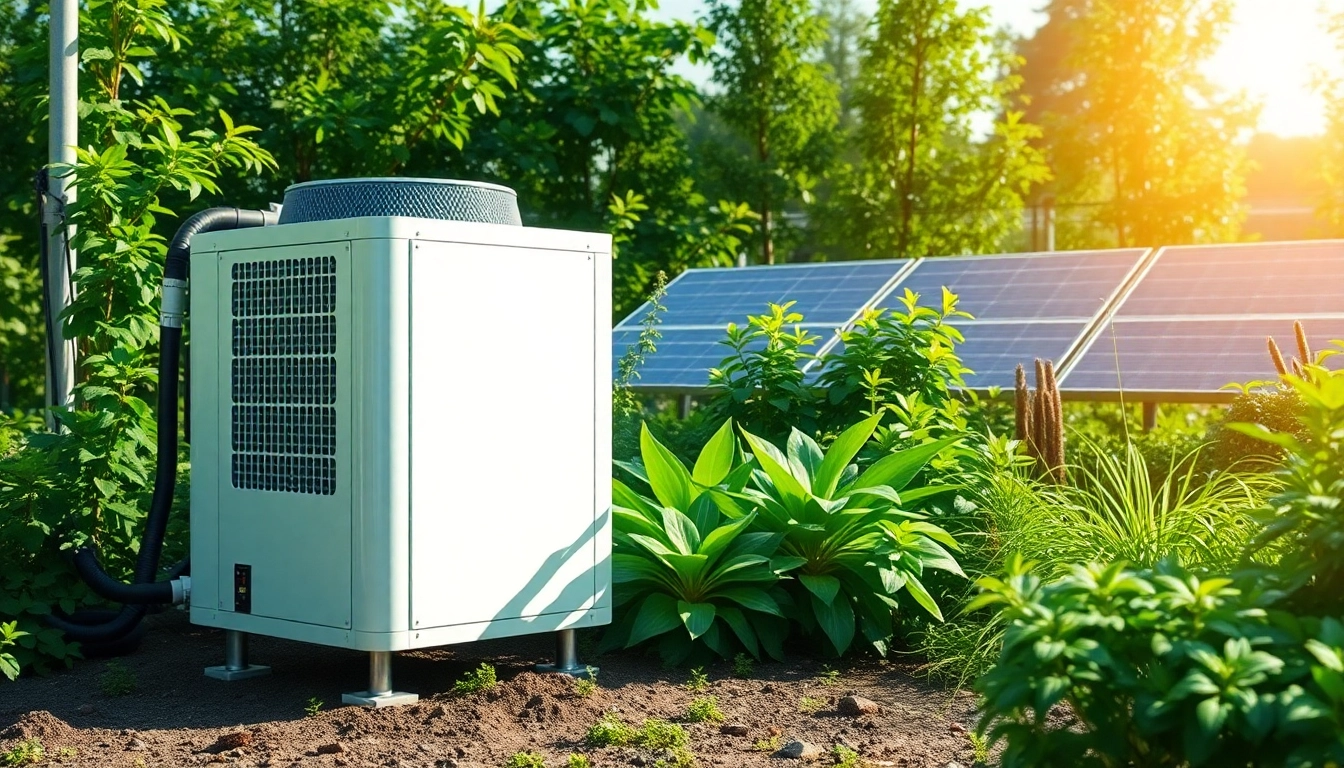
- Solar Cooling Systems: These systems use solar panels to power air conditioning units or employ thermal energy to generate cooling effects directly.
- Ground Source Heat Pumps: Utilizing the stable temperature of the earth, these systems provide highly efficient heating and cooling.
- Hybrid Solutions: Combining traditional systems with renewable technologies to optimize energy consumption while ensuring reliable cooling.
Implementing Green Cooling in Your Space
Assessing Cooling Needs
The first step in implementing green cooling solutions is conducting a comprehensive assessment of cooling needs. Factors to consider include:
- The size and layout of the space.
- The local climate and seasonal temperature variations.
- The number of occupants and their activities.
- Existing insulation and building materials' thermal properties.
Engaging with experts can provide a more in-depth understanding of the required cooling capacity and efficiency levels.
Choosing the Right System
Once cooling needs are assessed, selecting the appropriate green cooling system involves evaluating various options based on efficiency, ease of installation, and cost-effectiveness. Key considerations include:
- Type of green cooling technology that best fits the requirements.
- The likelihood of integrating natural refrigerants.
- Potential for combining renewable energy sources.
- System reviews, warranties, and support services from manufacturers.
It's essential to involve stakeholders, including users and maintenance personnel, during the decision-making process to promote buy-in and user satisfaction.
Installation Best Practices
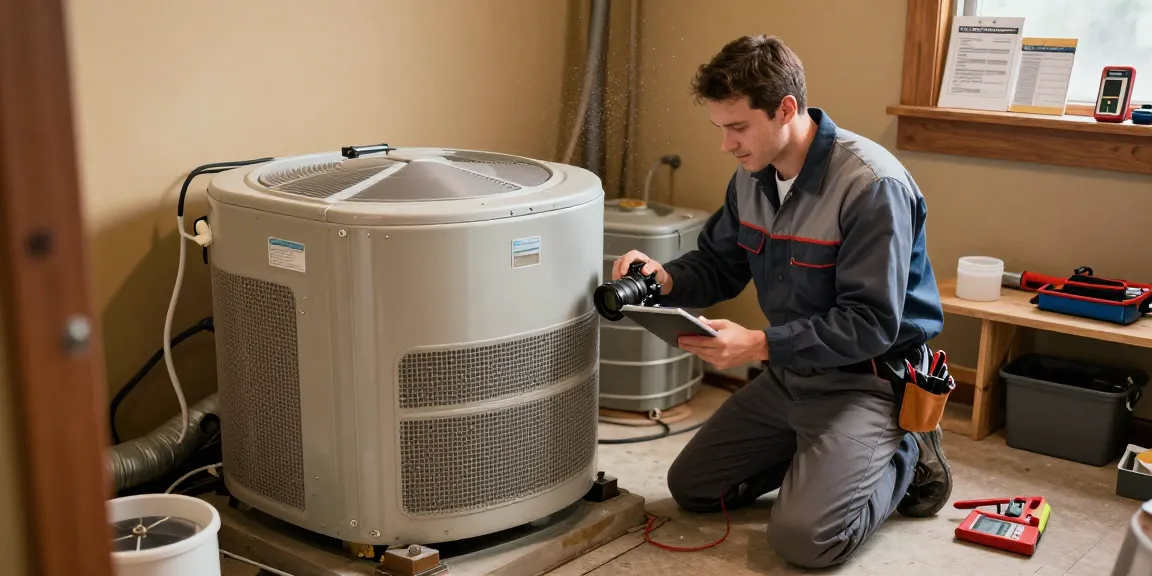
Proper installation of green cooling systems is crucial to their performance and longevity. Best practices include:
- Engaging certified professionals who specialize in green cooling technologies.
- Following manufacturer specifications for installation to ensure warranty validity.
- Conducting post-installation checks to balance and optimize system performance.
- Training facility managers or users on how to operate and maintain the system efficiently.
Maintenance for Optimal Performance
Regular Checks and Balancing
Regular maintenance is crucial to ensure that green cooling systems operate at peak efficiency. This includes:
- Periodic inspections to check for refrigerant levels and leaks.
- Cleaning or replacing filters to ensure proper airflow.
- Monitoring energy consumption metrics to identify potential inefficiencies.
Improving System Lifespan
Several best practices can extend the lifespan of a green cooling system:
- Conducting routine maintenance as recommended by manufacturers.
- Addressing any issues promptly before they escalate into more significant problems.
- Ensuring that external units are kept clear from debris and obstacles to maintain airflow.
Upgrading Components When Needed
As technology advances, it is wise to evaluate the potential for component upgrades that enhance efficiency. Common upgrade considerations include:
- Modernizing control systems, such as thermostats, to more advanced models with smart features.
- Enhancing insulation to optimize overall energy efficiency.
- Replacing old, inefficient components with new, energy-efficient units that are compatible with existing systems.
Measuring the Impact of Green Cooling
Energy Savings and Efficiency Metrics
The effectiveness of green cooling solutions can be quantified through various energy-saving metrics. Metrics should focus on:
- Energy consumption rates pre- and post-installation.
- Insights into peak load reductions.
- Efficiency ratings such as SEER (Seasonal Energy Efficiency Ratio) for air conditioning systems.
Regular monitoring can help identify trends and further optimization opportunities.
Environmental Benefits
The environmental impact of green cooling systems can be assessed by evaluating the reduction of harmful emissions and overall carbon footprint. Important indicators include:
- Decreased use of synthetic refrigerants over time.
- Reduced greenhouse gas emissions compared to conventional cooling systems.
- Improved energy source diversification through the utilization of renewables.
Documenting these benefits can provide a compelling narrative for stakeholders, promoting the broader adoption of green cooling technologies.
Long-term Cost Analysis
Long-term analysis of costs associated with green cooling solutions can reveal substantial savings over conventional systems. Key components of this analysis include:
- Initial investment vs. long-term operational savings through reduced energy bills.
- Maintenance costs and potential savings from utilizing durable, reliable technologies.
- Exploration of incentives or rebates for implementing energy-efficient systems from local governments.
A thorough understanding of these factors can facilitate informed decision-making for businesses and homeowners alike.
Frequently Asked Questions
What are the primary advantages of green cooling systems?
Green cooling systems offer benefits like energy efficiency, reduced environmental impact, improved air quality, long-term cost savings, and compliance with regulations.
How do natural refrigerants differ from synthetic ones?
Natural refrigerants have low global warming potential and pose fewer environmental risks compared to synthetic refrigerants, which can harm the ozone layer.
What factors should be considered when assessing cooling needs?
Consider space size, layout, local climate, occupancy, and insulation levels when determining the appropriate cooling capacity for optimal performance.
Why is regular maintenance important for green cooling systems?
Regular maintenance ensures optimal performance, extends system lifespan, and helps maintain energy efficiency, reducing overall operational costs.
How can I measure the savings from a green cooling solution?
Measure savings through energy consumption metrics pre- and post-installation, and evaluate efficiency ratings to understand energy performance improvements.