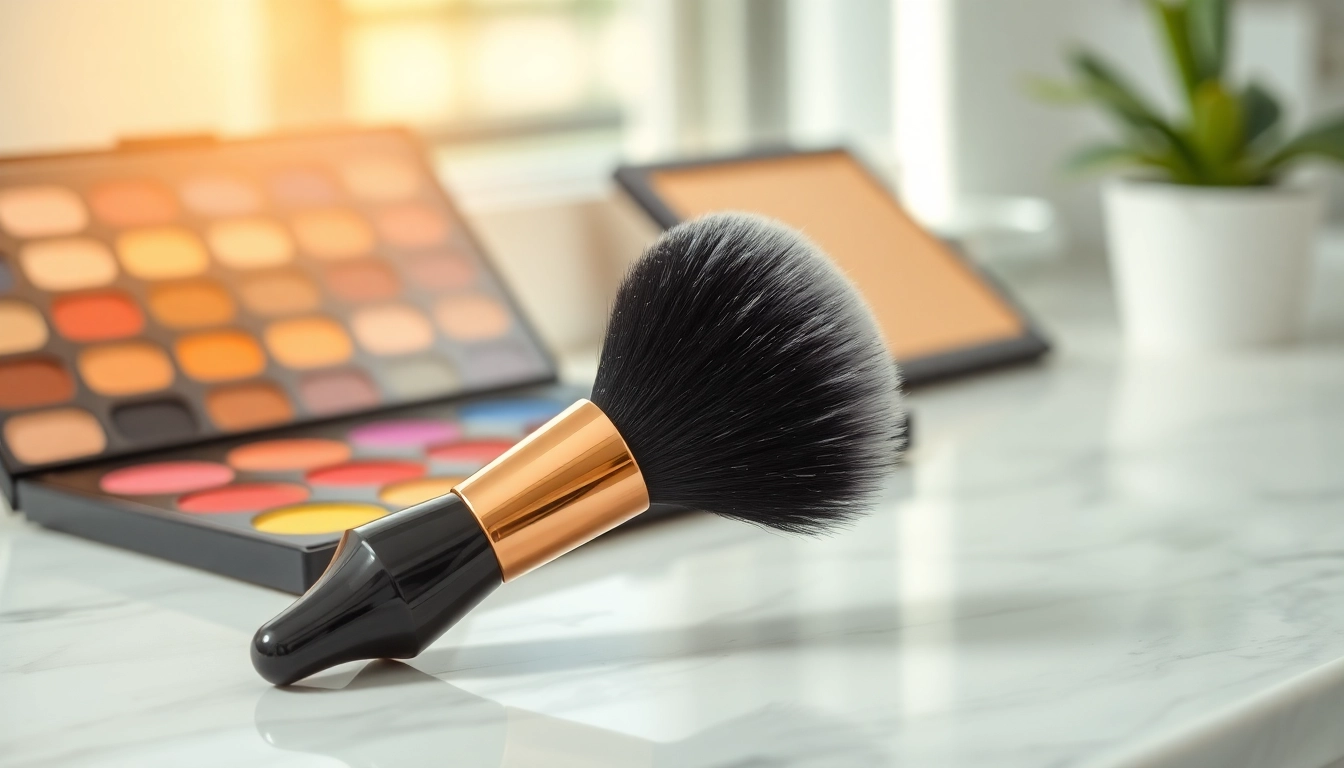
Understanding the Angled Makeup Brush
The angled makeup brush is an essential tool for both makeup professionals and enthusiasts alike. With its distinctive slanted bristles, this brush is designed for precision, enabling users to create intricate, well-defined makeup looks. The angled shape allows for better control, making it the go-to choice for various makeup applications, from contouring to shading. Understanding how this tool works and its myriad of uses can elevate your makeup game significantly.
Design Features of Angled Makeup Brush
One of the defining features of the angled makeup brush is its unique bristle arrangement. Typically, the bristles are cut at a slant, which allows them to reach into the contours of the face easily. The shape can vary depending on the specific use of the brush, but generally, you will find the following characteristics:
- Bristle Material: Angled makeup brushes can feature synthetic or natural hair fibers. Synthetic bristles are often more durable and easier to clean, while natural fibers can provide a softer finish.
- Density: The density of the bristles can affect the brush's application capabilities. Dense brushes are perfect for cream products, whereas softer ones are designed for powders.
- Handle: Most angled brushes come with an ergonomic handle, allowing for comfortable grip and ease of use, which is especially important during prolonged applications.
Common Uses for Angled Makeup Brush
The versatility of the angled makeup brush makes it suitable for a wide variety of applications:
- Foundation Application: The angled edge can effortlessly blend foundation into hard-to-reach areas like the nose and under the eyes, providing a seamless finish.
- Contouring: Its design allows for precise placement of bronzer or contour powder along the cheekbones, jawline, and forehead, enabling sculpted looks.
- Eyeshadow Application: Whether it's applying color to the crease or packing shadow onto the lid, an angled brush helps achieve sharp lines and blended edges.
- Brow Definition: Perfect for filling in and shaping brows, the angled brush can create natural-looking strokes that mimic brow hairs.
- Liner Application: The angled shape allows for precision when applying gel or liquid eyeliner, offering better control over sharp lines.
Why Choose an Angled Makeup Brush?
When selecting makeup tools, the choice of brushes is pivotal for achieving the desired look. The angled makeup brush offers several advantages:
- Precision: Its shape allows for detailed work on the face and eyes, making it easier to create clean lines and well-defined features.
- Versatility: The ability to use this brush for multiple makeup applications—foundation, blush, eyeshadow—makes it an all-rounder, saving you money and space.
- Controlled Application: Angled brushes provide better control over the amount of product applied, ensuring you achieve the right intensity without excessive layering.
Techniques for Applying Makeup with Angled Brush
Foundation Application Tips
Applying foundation with an angled makeup brush is an art that can lead to a flawless finish. Here’s a step-by-step guide:
- Start by dotting foundation on your forehead, cheeks, nose, and chin.
- Using the angled side of the brush, begin blending from the center of the face outward, using short strokes.
- Focus on blending into hard-to-reach areas like around the nose and under the eyes.
- For coverage in larger areas, use the flat side of the bristles to buff the product into the skin.
Blending Eyeshadow with Angled Brush
Achieving a well-blended eyeshadow look can be tricky, but an angled brush makes the process easier:
- Apply the primary shade all over the lid using a flat brush or your fingertip.
- Switch to the angled brush loaded with a darker shade and apply it to the crease using a back-and-forth motion.
- To blend seamlessly, use the tip of the angled brush to feather the edges for a soft transition.
- For added depth, use the pointed edge to add darker shades in the outer corner.
Creating Contours for a Defined Look
Contouring is all about the chisel. Here’s how to use the angled makeup brush for contouring:
- Begin with a contour powder or cream that’s a few shades darker than your foundation.
- Using the angled brush, apply product along the jawline, under the cheekbones, and around the hairline on your forehead.
- Blend the contour upwards and outwards to avoid harsh lines, using the flat side for seamless finishing touches.
Choosing the Right Angled Makeup Brush
Different Types of Angled Makeup Brushes
When it comes to angled makeup brushes, variety is abundant. Here are the most common types:
- Angled Foundation Brush: Wider bristles are perfect for liquid and cream foundations, designed to cover larger areas efficiently.
- Angled Blush Brush: Ideal for placing blush directly on the apples of your cheeks and then blending upwards.
- Angled Eyeshadow Brush: Features tighter bristles for concentrated eyeshadow application, excelling in eye crease work.
- Angled Eyeliner Brush: A finer brush shape that allows for precise application of gel or liquid liner.
Factors to Consider When Selecting a Brush
Not all angled makeup brushes are created equal. Consider the following factors when making your choice:
- Brush Size: Choose a size that matches the area you want to apply makeup to (e.g., a small brush for details, a large one for full coverage).
- Bristle Softness: Depending on your skin sensitivity and preference for product application, opt for denser or softer brushes.
- Ease of Cleaning: Consider brushes made of synthetic fibers if you need hassle-free maintenance, as they are often easier to clean than natural hair.
Customizing Your Makeup Routine with Angled Brushes
Integrating angled brushes into your makeup routine can be a game-changer. Here are some tips to customize your applications:
- Experiment with using an angled brush for various products you might not usually use it for, like applying highlighter or blending concealer.
- Combine your angled makeup brush techniques with other brushes for a complete look, ensuring varied finishes and textures.
- Don't hesitate to practice. The more you use angled brushes, the more you'll become accustomed to their assets and intricacies.
Maintaining Your Angled Makeup Brush
Cleaning Techniques for Longevity
The longevity of your angled makeup brush depends largely on proper maintenance. Here’s how to clean your brushes effectively:
- Use a gentle brush cleaner or mild soap mixed with warm water.
- Swirl the bristles in the cleaning solution, being careful to avoid soaking the ferrule.
- Rinse thoroughly under running water, reshaping the bristles as needed.
- Lay flat to dry on a clean towel, ensuring bristles aren't pinched or squished.
Storing Your Brushes Properly
How you store your angled makeup brush can influence its shape and longevity:
- Keep brushes upright in a holder to maintain shape and avoid damage.
- Ensure the storage area is clean and free from humidity to prevent mold and mildew.
- When traveling, use a brush roll or protective sleeve to avoid bristle damage and keeps them clean.
Recognizing Wear and Tear in Your Brush
Over time, all makeup brushes show signs of wear and tear. Make sure to look out for:
- Frayed bristles that can lead to patchy application.
- Changes in the brush's shape that may result in less effective use.
- Signs of rust or discoloration in the ferrule, indicating moisture damage.
FAQs about Angled Makeup Brushes
1. How do I use an angled makeup brush effectively?
Use the angled edge for applying contour and blending eyeshadow. It's ideal for precision applications along cheekbones or eye creases.
2. Can I use an angled makeup brush for foundation?
Yes, angled makeup brushes are designed to apply foundation, concealer, and cream blush smoothly in hard-to-reach areas, ensuring an even finish.
3. Why should I choose an angled brush over a straight brush?
Angled brushes enhance control and precision, making it easier to create defined edges in contouring and detailed eyeshadow work.
4. How often should I clean my angled makeup brush?
It's advisable to clean your angled makeup brush weekly to prevent buildup of products and bacteria, ensuring optimal application results.
5. What materials are best for angled makeup brushes?
Look for brushes made with synthetic or natural hair materials, each offering unique textures for diverse makeup applications based on your preference.