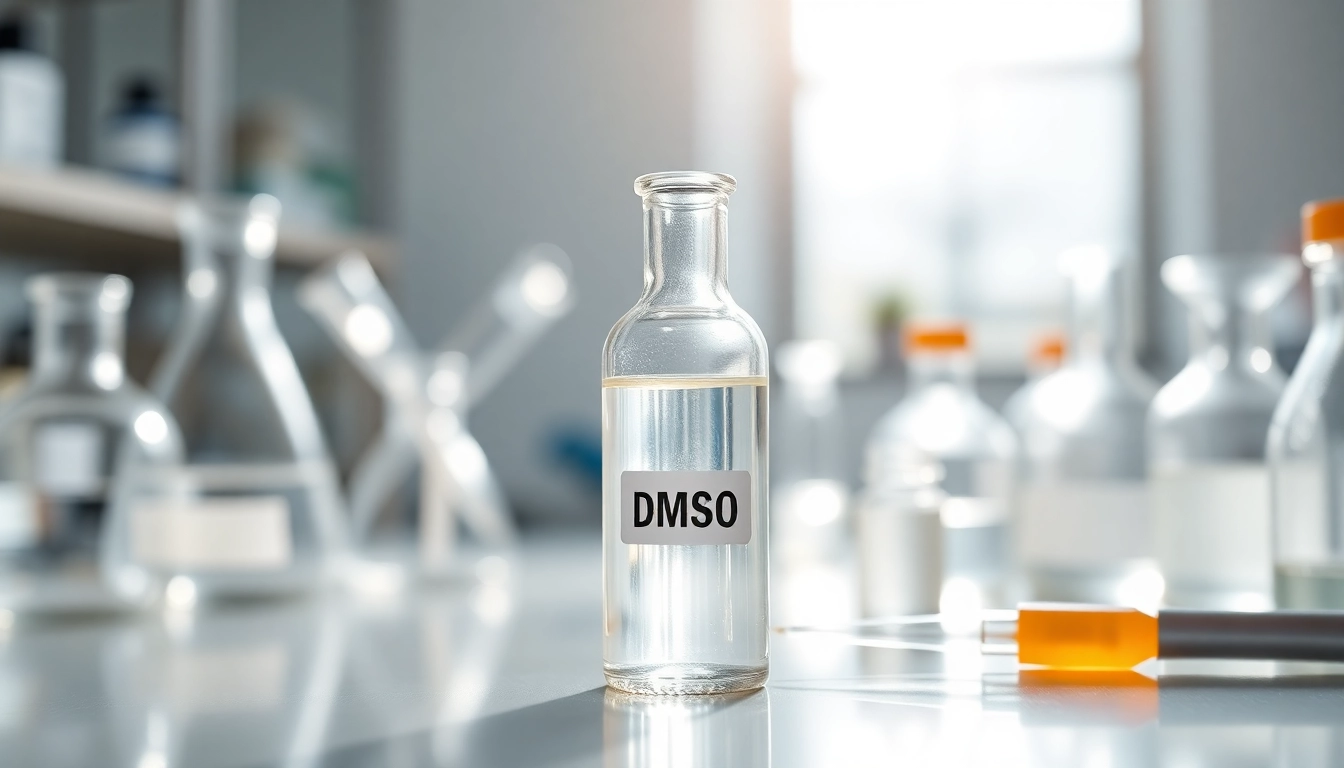
What is DMSO?
Definition and Chemical Properties
Dimethyl sulfoxide, commonly known as dmso, is an organosulfur compound with the chemical formula (CH3)2SO. This transparent, colorless liquid exhibits unique properties that have made it widely used across various fields, from medicine to industry. DMSO is a highly polar aprotic solvent, meaning it has a strong ability to dissolve both polar and nonpolar compounds. It possesses a high boiling point and excellent thermal stability, which makes it suitable for a variety of applications.
History and Commercial Uses
Discovered in the 19th century as a by-product of wood processing, DMSO was initially utilized in the paper industry. It didn’t take long for researchers to notice its potential as a solvent due to its ability to penetrate biological membranes. By the 1960s, DMSO gained attention in the medical community for its anti-inflammatory properties, although its commercialization for such uses faced hurdles due to regulatory scrutiny. Today, DMSO is recognized in certain medical contexts and continues to be an important industrial solvent for chemicals, agriculture, and pharmaceuticals.
Forms and Concentrations of DMSO
In the market, DMSO is found in various forms, typically as a liquid but also available in gel and cream formulations. Its purity level can range from 70% to 99.9%. The higher the concentration, the more potent the effects, particularly in medical applications. For topical and clinical purposes, pharmaceutical-grade DMSO (often at 99.9% purity) is preferred to ensure safety and efficacy. It's imperative to choose the right form and concentration based on the intended use to maximize benefits and minimize risks.
Medical Applications of DMSO
Pain Relief and Anti-Inflammatory Properties
DMSO is primarily lauded for its rapid absorption through the skin, which makes it effective for managing pain and inflammation. It has been used in the treatment of arthritis, sports injuries, and musculoskeletal disorders. Studies have shown that applying DMSO topically can significantly reduce symptoms of inflammation and pain in affected areas. Its ability to dissolve salts and sugars also enhances its role in treatment delivery, acting as a carrier for other medications.
DMSO in Alternative Treatments
Beyond conventional medicine, DMSO has found its niche among alternative therapies. It is sometimes used in combination with other natural anti-inflammatory agents to enhance their efficacy. Some proponents believe DMSO has potential benefits in treating conditions like fibromyalgia and interstitial cystitis, although more research is needed to validate these claims robustly. The perception of DMSO as a versatile therapeutic agent continues to foster interest in ongoing research.
Research and Clinical Studies
Numerous studies have explored the clinical applications of DMSO. Research has indicated its potential anti-cancer properties, as well as effects on preventing organ transplant rejection. Furthermore, it has been investigated for its role in minimizing diabetic complications and assisting in wound healing. Despite its controversial status, the body of evidence supporting its effectiveness continues to grow, leading researchers to evaluate DMSO's use in various innovative applications.
Benefits of Using DMSO
Topical and Systemic Advantages
The versatility of DMSO is reflected in its therapeutic properties. When applied topically, it can reduce pain and inflammation while enhancing the absorption of medications through the skin. Systemically, it demonstrates the ability to reduce oxidative stress and has protective effects on cells. Several case studies illustrate that DMSO can offer significant relief in chronic pain situations, making it a subject of interest for many medical professionals.
DMSO in Veterinary Medicine
DMSO is not only popular in human medicine but also prevalent in veterinary applications. It is utilized in treating horses for conditions like arthritis, tendonitis, and laminitis. Its anti-inflammatory effects and ability to expedite healing make it an essential tool in equine medicine. Animal owners often report significant improvements with DMSO treatments, further validating its role in therapeutic settings.
Comparison with Other Solvents
DMSO sets itself apart from other organic solvents due to its low toxicity and biphasic solvent capabilities, meaning it can dissolve both oil and water-based substances. Traditional solvents like acetone or ethanol may not be suitable for all applications, whereas DMSO can deliver a broad spectrum of solubility. This gives DMSO a unique edge, particularly in pharmaceutical formulations and complex chemical reactions.
Risks and Safety Concerns
Potential Side Effects
While DMSO is generally considered safe for most users, it is not without its risks. Potential side effects can include skin reactions, allergic responses, and the unusual garlic-like taste that may linger post-application. When applied topically, it can also carry impurities from the skin surface into the bloodstream, which necessitates rigorous hygiene before application. Proper education and awareness are crucial to circumvent potential adverse effects.
Regulatory Status of DMSO
The FDA has approved DMSO for specific medical uses, notably in treating interstitial cystitis. However, its approval for broader medicinal purposes remains limited, leading to ongoing debate within the medical community. As research evolves, the regulatory landscape may change, potentially expanding its therapeutic applications. Patients are advised to consult healthcare professionals before starting treatment.
Guidelines for Safe Use
To mitigate risks, it is essential to follow safety guidelines meticulously. Only pharmaceutical-grade DMSO should be used for medicinal purposes. Users are advised to apply it judiciously on clean skin, avoiding broken areas. It is also critical to monitor for any adverse reactions and to store DMSO in a cool, dark place to maintain its integrity. Always consult a medical professional for personalized advice on DMSO use.
How to Properly Use DMSO
Application Methods and Dosages
DMSO can be applied topically or administered systemically under professional guidance. For topical use, it is essential to apply a small amount to the affected area, following dilution guidelines when necessary. The concentration of DMSO influences its absorption rate and efficacy; thus, dosages must be adjusted according to individual needs. Consulting a healthcare professional can provide specific dosage recommendations based on the condition treated.
Precautions to Consider
Prior to using DMSO, users should be aware of its potential to carry contaminants. This means the skin should be thoroughly cleaned before application to avoid introducing foreign particles into the bloodstream. Allergic reactions should be tested cautiously—start with small quantities and monitor for unexpected side effects. Never apply DMSO on broken skin, as this increases absorption risk substantially.
Purchasing and Storage Recommendations
DMSO should be purchased from reputable sources that provide pharmaceutical-grade products. When stored, it should be kept in airtight containers, away from light and heat, to prevent degradation. Adhering to these standards ensures the safety and effectiveness of the compound over time. Users should also check expiration dates and product integrity before use.
Frequently Asked Questions
What is DMSO used for?
DMSO is primarily used for pain relief, anti-inflammatory effects, and facilitating drug delivery through the skin.
Is DMSO safe for topical application?
DMSO is generally safe for topical use but should be applied judiciously and not on open wounds or broken skin.
Can DMSO cause side effects?
Potential side effects of DMSO include skin irritation, allergic reactions, and a garlic-like taste in the mouth.
Is DMSO approved by the FDA?
DMSO is approved by the FDA for specific medical conditions but is not widely approved for general use.
How should DMSO be stored?
DMSO should be stored in a cool, dark place, tightly sealed, and away from heat sources to maintain its integrity.