Introduction to Excavator
Excavators are pivotal in the realm of construction and heavy machinery, known for their remarkable efficiency and versatility in handling various tasks. Whether digging foundations, demolishing structures, or moving earth, excavator operations require both skill and precision. This article delves deeply into the various aspects of excavators, exploring their key components, common uses, and much more.
What is an Excavator?
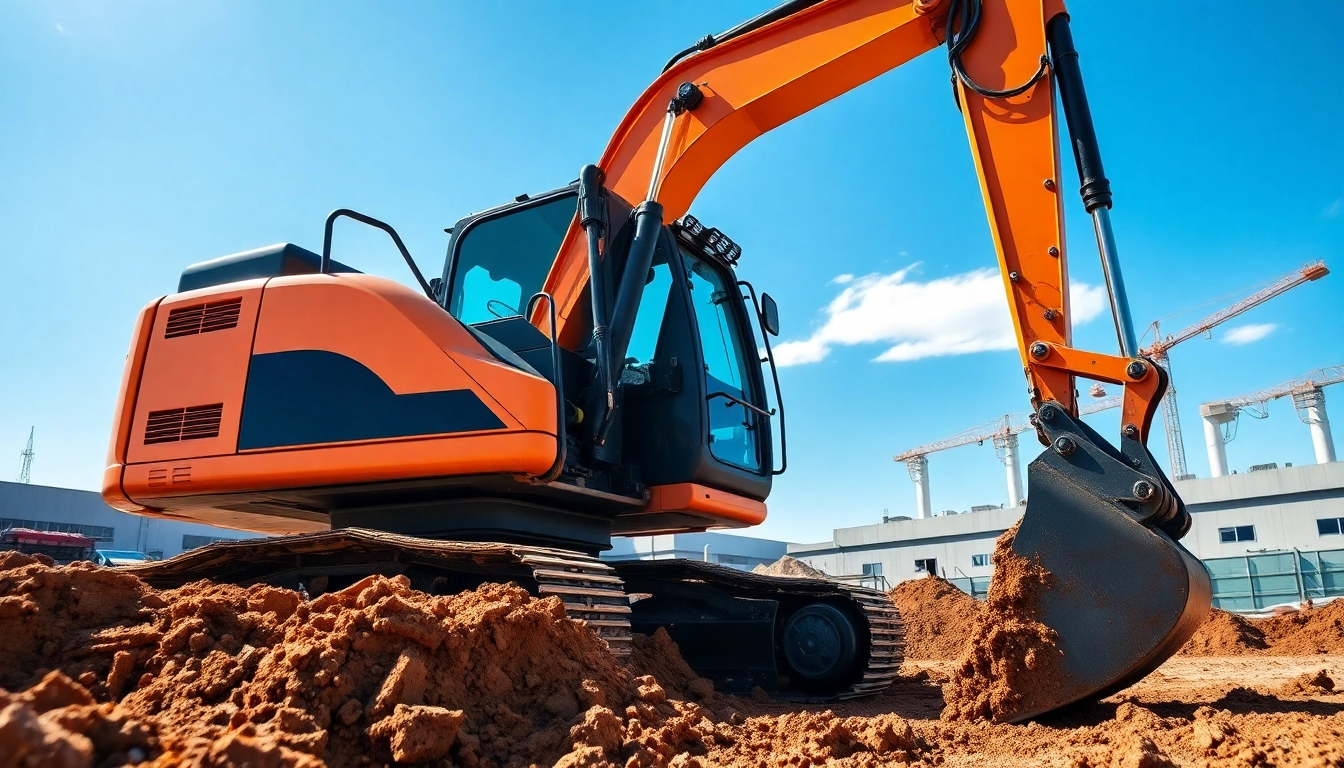
At its core, an excavator is a type of heavy construction equipment designed primarily for digging and earthmoving. It typically comprises a boom, dipper (or stick), bucket, and cab on a rotating platform known as the "house." This configuration allows for a unique blend of mobility and flexibility, making excavators vital for various construction applications.
Key Components of an Excavator
Understanding the essential components of an excavator is crucial for effective operation and maintenance. Here are the primary parts:
- Boom: The long arm that extends from the excavator's house, providing the necessary reach for digging or material handling.
- Dipper (Stick): Connected to the bucket, it helps dig into the earth and move materials around.
- Bucket: The primary tool used for digging and scooping materials. Different types of buckets can be attached for various tasks.
- Cab: The operator's area, equipped with controls for driving, maneuvering, and operating the excavator’s various functions.
- Undercarriage: It provides stability and mobility, consisting of tracks or wheels that allow the excavator to traverse different terrains.
Common Uses of Excavators
Excavators are utilized in numerous applications across various industries. Here are some common uses:
- Construction: For digging foundations, trenches, and preparing sites for new structures.
- Demolition: To dismantle buildings and remove debris efficiently.
- Landscaping: For grading, soil moving, and creating ponds or water features.
- Mining: To excavate minerals and earth in surface mining operations.
- Forestry: For clearing land, moving logs, and constructing access routes.
Types of Excavators
Excavators come in various types, each designed for specific tasks and operating conditions. The type chosen often depends on the scale of the project and the environment.
Mini Excavators: Advantages and Applications
Mini excavators, or compact excavators, are smaller versions of traditional excavators, typically weighing less than 10,000 pounds. Their compact size allows for:
- Easy Maneuverability: Ideal for confined spaces and urban environments where larger machinery cannot operate.
- Lower Operating Costs: Consuming less fuel and requiring less maintenance compared to larger models.
- Diverse Applications: Effective in landscaping, small-scale construction, and utility work.
Standard Excavators: Features and Capabilities
Standard excavators are the most commonly used type in construction sites. They typically weigh between 10,000 and 90,000 pounds and offer:
- Versatility: Suitable for various tasks from digging to lifting materials.
- Power: Equipped with robust hydraulic systems that allow for heavy lifting and material movement.
- Enhanced Control: Sophisticated controls that provide operators with precision during operations.
Large Excavators: Size and Power Benefits
Large excavators are designed for heavy-duty applications, weighing over 90,000 pounds. They excel in:
- Mining and Quarrying: Highly efficient for moving large volumes of earth and minerals.
- Infrastructure Projects: Perfect for large-scale construction and excavation tasks that require immense power.
- Durability: Built to withstand harsh conditions, contributing to longer lifespans and reduced downtime.
Selecting the Right Excavator for Your Project
Choosing the appropriate excavator for a project is crucial for optimizing performance and achieving desired outcomes. Here are some factors to consider:
Evaluating Size and Power Needs
The right size of the excavator depends on the project scale. Medium-sized projects typically require standard excavators, while larger, more demanding tasks may necessitate a large excavator. Assessing the power requirements based on the materials being handled is also essential for maximizing efficiency.
Understanding Attachments and Versatility
Excavators can be fitted with various attachments, enhancing their versatility. Common attachments include:
- Buckets: For digging, scooping, and moving different materials.
- Augers: Used for drilling holes in the ground for posts or foundations.
- Hydraulic Hammers: Ideal for breaking concrete or rock.
- Grapples: Useful for handling debris or logs in forestry work.
Choosing the right combination of machine and attachments can significantly increase equipment efficiency.
Assessing Performance Metrics
When selecting an excavator, evaluate performance metrics such as:
- Operating Weight: Heavier excavators typically offer more stability during operation.
- Hydraulic Power: Essential for determining lifting capacity and speed.
- Fuel Efficiency: An important consideration to minimize operating costs over time.
Excavator Maintenance Best Practices
Proper maintenance is critical to extending the lifespan of an excavator and ensuring optimal performance. Regular maintenance can prevent costly repairs and downtime.
Daily Maintenance Checks
Conducting daily inspections is vital prior to operating the excavator. Key checks include:
- Fluid levels (oil, coolant, hydraulic fluid).
- Fuel filters and air filters for clogs.
- Tracks and undercarriage for wear and tear.
- Lights and signals for visibility.
Long-term Maintenance Strategies
Beyond daily checks, long-term strategies are crucial for maintaining functionality. Key strategies include:
- Regular professional servicing to ensure that all systems function correctly.
- Replacing worn parts in a timely fashion to avoid further damage.
- Keeping the machine clean to prevent dirt build-up that can impact components.
Common Issues and Solutions
Being aware of common excavator issues, such as hydraulic leaks or engine inefficiencies, can help operators take swift action. Regular diagnostics can identify these issues before they escalate, allowing for timely repairs and maintenance work.
FAQs about Excavators
What is the average cost of renting an excavator?
The average rental cost ranges from $200 to $500 per day, depending on the size and model of the excavator chosen.
How do I choose the right excavator?
Consider project size, specific site conditions, and the required attachments for optimal performance when selecting an excavator.
What types of attachments can be used with an excavator?
Various attachments include buckets, grapples, augers, and hydraulic hammers, allowing for flexibility in tasks performed.
How are excavators operated safely?
Ensure proper training, adhere to safety protocols, and perform regular equipment inspections to promote safe operation.
Can excavators dig underwater?
Yes, specialized excavators designed for underwater use can perform efficient digging in aquatic environments.