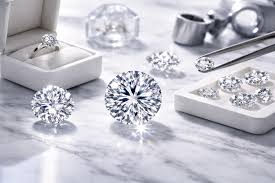
Introduction to IGI Diamonds
When it comes to purchasing diamonds, understanding certification is crucial for ensuring quality and value. Among the various grading organizations, the IGI Diamonds stand out for their global recognition and reliability. This article delves into IGI Diamonds, exploring their significance, grading process, and market value, providing you with the information needed to make informed purchasing decisions.
What Are IGI Diamonds?
IGI Diamonds refer to diamonds that have been graded and certified by the International Gemological Institute (IGI). Established in 1975, IGI has become a prominent figure in the diamond certification industry, providing buyers and sellers with assurance regarding the quality and authenticity of diamonds. Each IGI-certified diamond comes with a detailed report outlining its characteristics, such as carat weight, cut, color, and clarity.
Importance of Certification
The significance of certification cannot be overstated in the diamond industry. Certification serves as a guarantee for customers, confirming that the diamond they are purchasing meets certain standards. Certified diamonds typically sustain a higher value compared to non-certified ones due to the assurance of their quality. IGI Diamonds, in particular, are highly regarded for their transparency and the detailed information provided in their grading reports, making them a preferred choice for consumers.
Brief History of IGI
Founded in Belgium, the International Gemological Institute has built a reputation over several decades as a trusted authority in the field of gemology. Initially focused on diamond certification, the institute now extends its services to colored stones and jewelry. The acquisition of IGI by the Blackstone Group reflects its importance in the global gemology landscape. Today, IGI operates multiple laboratories worldwide, continuously evolving to address the needs of the modern consumer.
How IGI Certifies Diamonds
Grading Criteria Explained
IGI Diamonds are graded based on the widely recognized 4Cs: Carat, Cut, Color, and Clarity. Each criterion plays a significant role in determining a diamond's overall quality:
- Carat: This refers to the weight of the diamond. One carat is equivalent to 200 milligrams. Generally, the higher the carat weight, the more valuable the diamond.
- Cut: The cut of a diamond affects its brilliance and fire. IGI evaluates how well a diamond has been cut, including its proportions, symmetry, and polish.
- Color: Diamond color grading ranges from completely colorless (D grade) to light yellow or brown (K grade and beyond). The less color present, the higher the grade and value.
- Clarity: Clarity refers to the absence of inclusions and blemishes. IGI assesses the visibility of such imperfections under 10x magnification.
Process of Certification
The certification process for IGI Diamonds involves several meticulous steps to ensure accuracy and integrity:
- Submission: The diamond is submitted to an IGI laboratory for evaluation.
- Examination: Expert gemologists examine the diamond using advanced techniques and tools, assessing all grading criteria.
- Reporting: A detailed report is generated, including various aspects of the diamond’s quality, along with accompanying photographs for transparency.
- Verification: The report can be verified online, providing an additional layer of security for buyers.
Differences in Grading Standards
While IGI provides thorough assessments, it's essential to understand how its grading standards compare with other certification bodies. Generally, IGI uses similar criteria to other grading organizations but may differ in approach and emphasis. Ultimately, this variation may influence the diamond’s market perception and value. Consumers are encouraged to familiarize themselves with different grading systems to ensure they are making informed choices.
Comparing IGI Diamonds with Other Certifications
IGI vs. GIA: Key Differences
The Gemological Institute of America (GIA) is frequently compared with IGI as both are leading bodies in diamond certification. A key difference is the focus area; while GIA specializes predominantly in natural diamonds, IGI extends its services to both natural and lab-grown diamonds. This characteristic allows IGI to cater to a broader market, appealing to consumers interested in sustainable options alongside traditionally mined stones.
Choosing Between Grading Reports
Selecting the right grading report depends on personal preference, specific requirements, and budget. IGI’s reports are lauded for their clarity and detailed breakdown of diamond characteristics. Additionally, when considering an investment in a diamond, opting for IGI certification assures buyers of reliability and transparency, factors that contribute significantly to resale value.
Trustworthiness of IGI Certification
Buying from a trusted source is crucial in a market as intricate as diamonds. IGI's long-standing history and rigorous grading standards position it as a reputable authority. Their commitment to transparency and fairness in grading reinforces consumer confidence, making IGI Diamonds a valuable choice for purchasers seeking peace of mind in their investments.
The Value of IGI Diamonds in the Market
Market Trends and IGI Diamonds
As the diamond market continues to evolve, trends show a significant shift towards sustainability. IGI Diamonds, with their certification of both lab-grown and natural stones, align well with consumers' growing interests in ethical and responsible sourcing. This adaptability can enhance the marketability of IGI Diamonds, making them appealing to eco-conscious buyers.
Factors Affecting Diamond Value
Several factors play a crucial role in determining the market value of IGI Diamonds:
- Market Demand: Fluctuations in consumer preferences can directly affect diamond prices.
- Certification: IGI certification often elevates perceived value due to the trust associated with their grading process.
- Rarity: Unique cuts or colors can lead to increased value, alongside factors such as historical significance.
- Condition: The overall condition and quality of the diamond, as indicated in its IGI report, can also impact value.
Investment Potential of IGI Diamonds
Investing in IGI Diamonds can be a wise decision, given their certification assures quality and potential resale values. The rise of collector interest in both traditional and lab-grown diamonds serves to enhance their investment appeal. It is essential, however, for buyers to conduct thorough research and seek expert advice before committing to any purchase—a step that can markedly influence investment returns.
Frequently Asked Questions
What is the significance of an IGI certification?
IGI certification provides assurance of a diamond's quality and authenticity, ensuring buyers they are receiving a legitimate product based on rigorous grading standards.
Are IGI Diamonds of high quality?
Yes, IGI Diamonds undergo comprehensive grading processes that assess their 4Cs, ensuring they meet high-quality standards in the industry.
How can I verify my IGI Diamond report?
You can verify your IGI Diamond report by visiting the IGI website and entering the report number in the verification section for confirmation.
What types of diamonds does IGI certify?
IGI certifies both natural and lab-grown diamonds, alongside colored stones and jewelry, providing a diverse range of certification options.
Where can I buy IGI Diamonds?
IGI Diamonds are available through various authorized retailers, jewelry stores, and online platforms that focus on certified diamonds for assurance of quality.