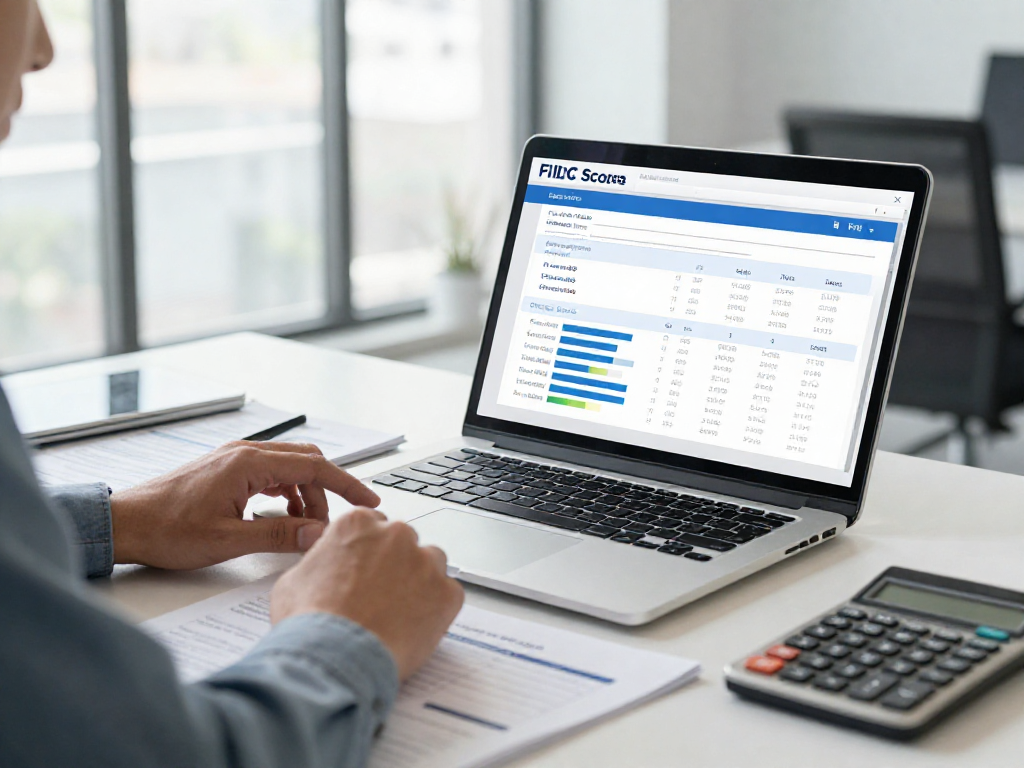
Understanding Fico Scores: The Basics
In today's complex financial landscape, understanding Fico Scores is essential for consumers looking to make informed decisions about credit and loans. These scores play a pivotal role in determining a borrower’s creditworthiness and subsequently the terms of credit they receive. As individuals navigate their financial journeys, grasping the nuances of Fico Scores can empower them in managing their credit profiles effectively.
What Are Fico Scores?
Fico Scores, developed by the Fair Isaac Corporation, are numerical representations of a person's credit risk based on their credit history. Ranging from 300 to 850, these scores evaluate various factors such as payment history, amounts owed, length of credit history, new credit, and types of credit used. A higher score indicates lower risk, making it easier for individuals to secure loans with favorable terms.
How Fico Scores Are Calculated
The calculation of Fico Scores is a proprietary process that considers five main factors:
- Payment History (35%): This is the most significant factor, reflecting any late payments, delinquencies, or bankruptcies.
- Amounts Owed (30%): This factor analyzes the total amount of credit utilized compared to total credit available, also known as credit utilization ratio.
- Length of Credit History (15%): A longer credit history generally contributes positively to credit scores.
- New Credit (10%): This assesses how many new accounts a person has opened and the number of recent inquiries into their credit history.
- Types of Credit Used (10%): A mix of different types of credit (credit cards, installment loans, etc.) is favorable.
The Importance of Credit Scores
Credit scores serve as a crucial indicator for lenders regarding a borrower's reliability in repaying debts. Beyond loan approvals, Fico Scores affect rental applications, insurance premiums, and even employment opportunities. Understanding and managing these scores can greatly influence an individual’s financial freedom and options in the long run.
Why Fico Scores Matter in Today’s Credit Landscape
In an era where credit is intertwined with everyday life, recognizing the significance of Fico Scores can lead to smarter financial decisions. With an increasing number of consumers relying on credit for purchases ranging from homes to cars, reviewing their Fico Scores regularly has never been more crucial.
The Role of Fico Scores in Loan Approvals
Fico Scores directly influence a lender's decision on whether to approve a loan application. Lenders typically categorize applicants into risk tiers based on their scores, determining eligibility for various credit products. A higher Fico Score often translates to a higher probability of approval, allowing consumers to secure larger loans and better financing options.
Impact on Interest Rates and Terms
The connection between Fico Scores and interest rates is profound. Generally, the higher the score, the lower the interest rate offered by lenders. This can result in substantial savings over the life of a loan. Conversely, individuals with lower scores may face higher interest rates, leading to increased overall costs. Understanding this connection can enable consumers to strategize on maintaining or improving their scores to secure better terms.
Common Misconceptions about Fico Scores
There are several myths surrounding Fico Scores that can mislead consumers:
- All Credit Scores Are the Same: Many consumers believe that all credit scores are identical. In reality, Fico Scores differ from other scoring models, such as VantageScore.
- Checking Your Score Affects It: Consumers are often hesitant to check their own scores due to fear of damage, but checking one's own score is considered a "soft inquiry" and does not affect it.
- Closing Old Accounts Improves Scores: In fact, closing old accounts can decrease the length of credit history, negatively impacting scores.
Improving Your Fico Scores: Practical Steps
Improving Fico Scores is critical for securing favorable credit options. By implementing effective credit management strategies, consumers can take control of their financial futures.
Credit Management Strategies
Managing credit effectively involves consistent monitoring and strategic planning. This can include budgeting, reducing overall debt, and maintaining a diverse range of credit accounts. It's essential to cultivate good financial habits to foster long-term credit health.
The Importance of Timely Payments
One of the most impactful actions a consumer can take is to ensure timely payment on all accounts. Late payments significantly harm credit scores, so setting reminders or utilizing automatic payments can help prevent missed deadlines.
Utilizing Credit Monitoring Tools
Consumers should consider using credit monitoring services that provide insights into their scores and notify them of any changes or suspicious activity. These tools can help individuals stay informed about their credit situation, allowing for prompt action to rectify issues.
The Future of Fico Scores in 2026
As we look ahead to 2026, the landscape of Fico Scores is poised for transformation driven by technological advances and evolving consumer behaviors.
Emerging Trends in Credit Scoring
One notable trend is the increasing acceptance of alternative data in credit scoring. Lenders are beginning to utilize non-traditional data sources, such as payment history on utility bills and rent, to assess a consumer's creditworthiness. This could potentially benefit those with limited credit histories.
Technological Advances Impacting Fico Scores
Artificial intelligence and machine learning are expected to play significant roles in credit scoring by providing lenders with more nuanced insights into consumer behavior. This tech-driven approach may lead to more personalized lending decisions and potentially reshape traditional scoring models.
Predictions for Consumer Behavior
As awareness around Fico Scores grows, consumers are likely to become more proactive in managing their credit. We may see a shift towards holistic financial wellness approaches that integrate credit management with overall financial health, influencing how individuals interact with credit in the future.
Frequently Asked Questions about Fico Scores
How can I check my Fico score?
Consumers can check their Fico Score through various online services, including major credit bureaus. Some financial institutions also provide free credit score access to their customers.
What factors most affect my Fico score?
The primary factors affecting Fico Scores are payment history, amounts owed, length of credit history, new credit, and types of credit used.
Can I improve my Fico score quickly?
While some immediate steps, such as paying down debt or correcting errors on credit reports, can lead to a faster score improvement, significant changes typically take time and consistent effort.
Why do lenders prefer Fico scores?
Lenders prefer Fico Scores due to their long-standing reputation for reliability and predictive accuracy in assessing credit risk. They provide a clear metric for determining lending decisions.
What happens if my Fico score changes?
A change in Fico Score can affect your creditworthiness, potentially influencing loan approvals and interest rates. It's essential to understand the reasons behind these changes to make informed financial decisions.