Understanding the Reggio Emilia Approach
The Reggio Emilia Approach is a progressive educational philosophy that originated in the town of Reggio Emilia in Italy. It focuses on the importance of community, collaboration, and child-led learning, making it a fitting model for modern preschool education. This approach emphasizes the idea that children are competent, capable, and curious, and it values their voice in the learning process. Education is viewed as a process of exploration rather than rote memorization, encouraging children to engage actively with their surroundings. The Reggio Emilia Approach fosters an environment where young learners are encouraged to express their ideas, ask questions, and investigate topics of interest, thereby enhancing their understanding of the world.
What is the Reggio Emilia Approach?
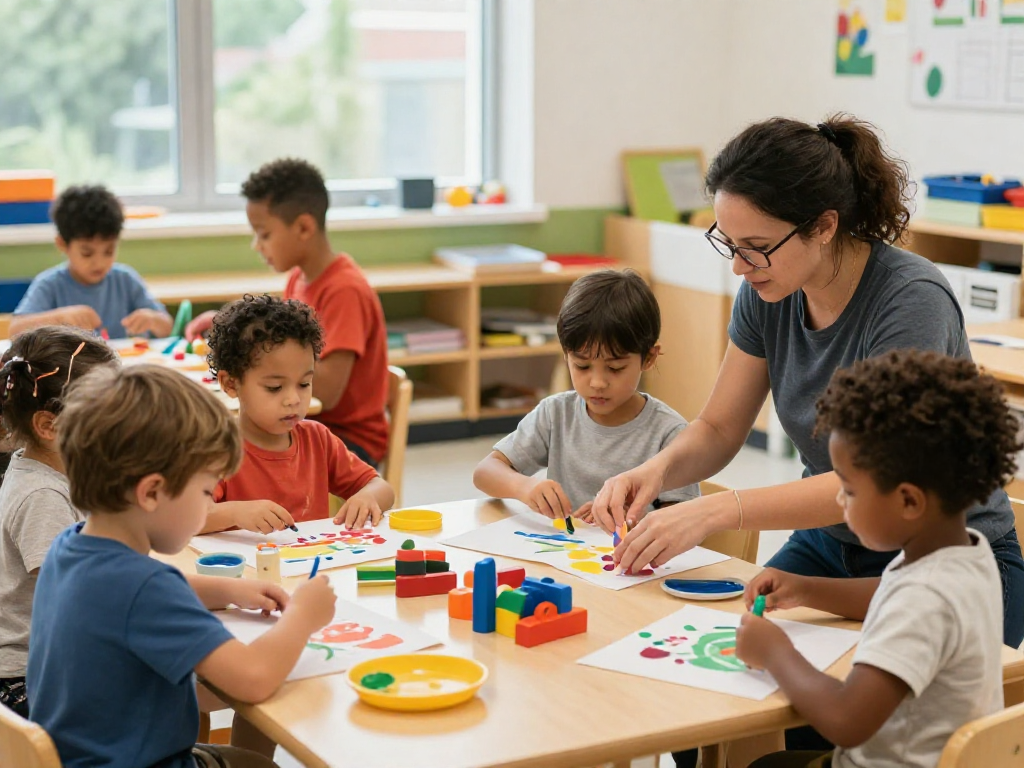
The Reggio Emilia Approach is not just a teaching method, but a comprehensive philosophy of education that prioritizes the rights of children to learn in a way that feels natural to them. This approach posits that children are active participants in their own education and should be provided with opportunities for self-discovery and exploration. Classrooms based on this model are designed to be rich in resources, engaging children’s senses and provoking inquiry. Teachers serve not just as instructors but as co-learners who guide children’s exploration through thoughtful questioning and rich learning experiences.
Key Principles of the Approach
- Child-Centered Learning: The approach is tailored around the interests and needs of the child, allowing them to guide their own learning process.
- Collaboration and Communication: Child-to-child interaction and teacher-to-parent communication are fundamental, fostering a sense of community and shared responsibility.
- Project-Based Learning: Learning through projects encourages deep investigation into topics of interest, allowing children to express their understanding in creative ways.
- Environment as the Third Teacher: The design and arrangement of the classroom space promote interaction, exploration, and discovery.
Historical Background and Development
Founded in the aftermath of World War II by a group of parents and educators, the Reggio Emilia Approach arose out of a need to create a more nurturing and enriching educational environment for children. The approach gained international recognition for its innovative methods and success in fostering creativity and critical thinking. Over the decades, it has evolved, drawing on contributions from various educational theories while maintaining its core principles focused on respect, responsibility, and community. Today, it is implemented in numerous preschools and early childhood education centers worldwide, including leading institutions in Singapore such as Pegasus International Preschool.
Applying the Reggio Emilia Approach in Preschool Education
Implementing the Reggio Emilia Approach in preschool education involves creating an environment that supports inquiry and the child’s natural desire to learn. This method advocates for the use of open-ended materials that inspire creativity and exploration, encouraging children to manipulate, experiment, and engage. Educators are trained to observe children's interactions and to ask open-ended questions that promote critical thinking. By adapting the curriculum around the children’s interests and integrating various subjects, educators facilitate a holistic learning experience.
Creating an Inquiry-Based Learning Environment
Inquiry-based learning is at the heart of the Reggio Emilia Approach. This environment encourages children to ask questions, investigate, and find answers through hands-on experiences. Classrooms are equipped with resources that are accessible and inviting, such as art supplies, natural materials, and books. The aim is to create a space where children feel free to explore their surroundings and express their thoughts. Additionally, outdoor spaces play a critical role, allowing children to connect with nature and further enrich their learning.
Facilitating Child-Led Exploration
In the Reggio Emilia Approach, children take the lead in their learning journey. Educators observe and listen to children's needs and interests, using this information to guide lessons and activities. For instance, if a group of children shows interest in insects, the educator may facilitate activities around entomology, including outdoor exploration, art projects, and storytelling related to the theme. This flexibility allows children to dive deeply into subjects they are passionate about, which enhances their engagement and retention of knowledge.
Role of Teachers and Educators
Teachers in a Reggio Emilia-inspired setting function as facilitators and mentors, rather than traditional instructors. Their role is to observe, listen, and document children’s learning processes, using this information to plan future learning experiences. Teachers encourage collaboration among children and foster a community-oriented atmosphere where every voice is valued. By carefully guiding discussions and promoting teamwork, educators cultivate an environment where critical thinking and creativity thrive.
Benefits of the Reggio Emilia Approach for Young Learners
The Reggio Emilia Approach offers numerous benefits that contribute to the holistic development of young learners. By prioritizing creativity, collaboration, and critical thinking, this educational philosophy prepares children for the complexities of the modern world.
Fostering Creativity and Critical Thinking
One of the standout features of the Reggio Emilia Approach is its ability to foster creativity. Children are encouraged to express their thoughts through various mediums, such as visual arts, music, and drama. This emphasis on creative expression not only enhances artistic skills but also develops critical thinking abilities as children learn to analyze, hypothesize, and solve problems collaboratively.
Enhancing Emotional and Social Development
The collaborative nature of the Reggio Emilia Approach promotes emotional intelligence and social skills. Children learn to work together, respect different viewpoints, and develop empathy for their peers. By engaging in group projects and discussions, they build the confidence to express their emotions and ideas, which is essential for their emotional development.
Promoting Language Acquisition and Communication Skills
Through exploration and discussion, children in a Reggio Emilia setting improve their language and communication skills. As they articulate their thoughts and engage in dialogue with peers and teachers, they expand their vocabulary and enhance their understanding of language usage. This engaging environment supports the natural acquisition of language in both formal and informal contexts.
Challenges in Implementing the Reggio Emilia Approach
While the Reggio Emilia Approach holds substantial promise, its implementation can be challenging. Understanding these challenges is essential for educators, administrators, and parents alike.
Common Misconceptions and Obstacles
One common misconception about the Reggio Emilia Approach is that it lacks structure. In reality, while the approach is flexible and child-led, it still requires careful planning and observation by educators to ensure that learning objectives are being met. Those unfamiliar with the methodology may also struggle to appreciate the depth of learning that occurs when children pursue their interests.
Adapting Curricula to Diverse Learning Needs
In a classroom where children have various backgrounds and learning styles, educators must adapt their curricula effectively. This may involve creating differentiated activities that cater to diverse needs, which can be resource-intensive and challenging to manage. Educators are tasked with finding ways to engage every child, ensuring that no one is left behind in the learning process.
Addressing Resource Limitations
Implementing the Reggio Emilia Approach often requires a wealth of resources, including high-quality materials and trained educators. Institutions may find it challenging to secure adequate funding to maintain such environments. Continuous professional development for teachers is also crucial, yet sometimes overlooked, making it essential to prioritize training to sustain the philosophy effectively.
Future Trends in Preschool Education and the Reggio Emilia Approach
As education continues to evolve, the Reggio Emilia Approach will likely adapt to incorporate new practices and technologies that enhance learning experiences for children.
Emerging Practices and Innovations
Educational trends indicate a growing emphasis on integrating socio-emotional learning alongside academic development. The Reggio Emilia Approach inherently supports this trend by valuing emotional intelligence, creativity, and collaboration. Incorporating mindfulness practices and focusing on emotional well-being will likely become integral aspects of future implementations.
Integration of Technology in Early Learning
With the rise of technology in education, the Reggio Emilia Approach may embrace digital tools that facilitate exploration and creativity. Learning apps and interactive digital tools could complement hands-on experiences, offering children new ways to engage with content while still prioritizing inquiry-based learning.
Preparing for the Classroom of 2026 and Beyond
The future of preschool education will demand that educators remain adaptable and forward-thinking. By continuously reflecting on practices and integrating new knowledge, educators can ensure they prepare children for an ever-changing world. The principles of the Reggio Emilia Approach will continue to be vital in developing young learners who are engaged, curious, and capable of navigating the complexities of the future.
What is the Reggio Emilia Approach?
In essence, the Reggio Emilia Approach represents a child-centered philosophy that champions the natural curiosity and potential of every child. By fostering environments rich in opportunity for exploration, it prepares young learners not just for academic success, but for lifelong learning and emotional well-being.
What are the benefits of the Reggio Emilia Approach for children?
Children benefit immensely from the Reggio Emilia Approach through enhanced creativity, emotional intelligence, communication skills, and social collaboration. These skills are crucial as they transition into later stages of their education and life.
How can parents support the Reggio Emilia Approach at home?
Parents can reinforce the principles of the Reggio Emilia Approach by encouraging their child's exploration at home. Providing open-ended materials, engaging in conversations about their interests, and allowing children to lead activities fosters a child-centered learning environment even outside of school.
What challenges might teachers face when implementing this approach?
Teachers may encounter obstacles such as misconceptions about the structure of the curriculum, the need for diverse resources, or a lack of professional development opportunities. Addressing these challenges requires effective communication and a strong commitment to the educational philosophy.
How does the Reggio Emilia Approach accommodate diverse learning styles?
The approach accommodates diverse learners by promoting an environment tailored to individual interests and strengths, allowing children to engage in ways that resonate with them. Activities can be customized to support different learning styles, ensuring all children are included and valued in the learning process.