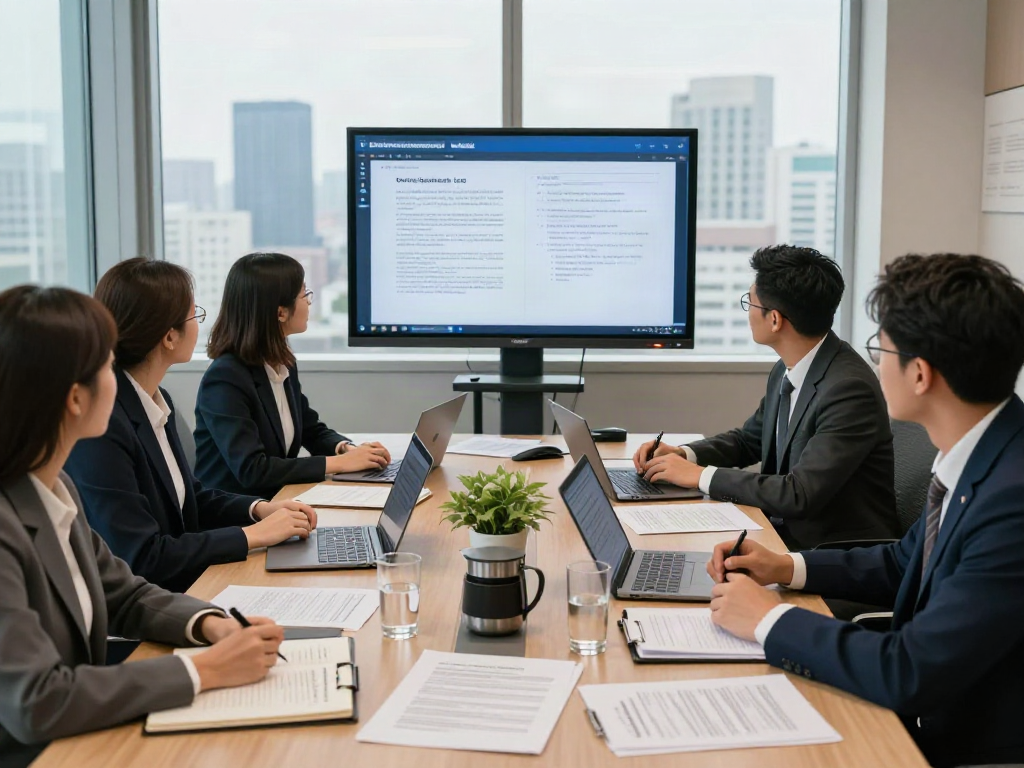
Understanding Mediation: An Overview
Mediation is an increasingly popular method of resolving conflicts that allows parties to engage in a dialogue facilitated by a neutral third party, known as the mediator. This process provides an opportunity to talk with someone who is impartial, which can lead to more satisfactory outcomes for those involved in disputes. For further insights into effective Mediation practices, consider exploring Mediation principles tailored to your specific needs.
What is Mediation?
Mediation is defined as a form of alternative dispute resolution (ADR) that serves to resolve disputes between two or more parties with the assistance of an independent mediator. Unlike litigation, which can often be combative and formal, mediation provides a more collaborative environment for negotiation. It allows the parties to express their needs and concerns openly, facilitating communication that might be hindered in a more adversarial setting. The mediator does not make decisions for the parties; rather, they guide the discussion and help clarify issues, aiming to lead the parties toward a mutually agreeable solution.
The Role of the Mediator
The mediator plays a crucial role in the mediation process. Their main responsibilities include:
- Facilitator: The mediator facilitates the dialogue between the parties, ensuring that each party has the opportunity to voice their opinions and concerns.
- Impartiality: A good mediator remains neutral, not taking sides or favoring one party over the other. This impartiality is essential to creating a fair environment for resolution.
- Clarification of Issues: Mediators help clarify the key issues at stake, allowing parties to focus on important aspects and understand varying perspectives.
- Encouraging Communication: The mediator fosters open lines of communication, which can help to break down emotional walls and lead to a better understanding.
- Problem Solving: They assist the parties in exploring potential solutions, guiding them to find common ground and constructive outcomes.
Types of Mediation
Mediation can take various forms depending on the context and the parties involved. The most common types include:
- Facilitative Mediation: Here, the mediator facilitates the conversation without offering opinions or solutions, letting the parties drive the process.
- Evaluative Mediation: In this type, the mediator assesses the situation and offers opinions about possible outcomes based on their expertise, helping the parties to find a resolution.
- Transformative Mediation: This approach focuses on changing the interpersonal dynamics between the parties and empowering them to communicate effectively.
- Online Mediation: With the rise of digital technology, online mediation has emerged as a practical alternative that allows parties to mediate disputes remotely using video conferencing tools.
Benefits of Mediation for Conflict Resolution
Mediation offers a range of benefits compared to other traditional conflict resolution methods, such as litigation or arbitration. Understanding these benefits can help individuals and organizations choose the right path for resolving their disputes.
Cost-Effectiveness of Mediation
One of the most significant advantages of mediation is its cost-effectiveness. Compared to court proceedings, which can incur substantial legal fees, mediation typically involves lower costs. The process is generally quicker, which translates to reduced legal fees and other related expenses. Additionally, outcomes achieved through mediation may save future expenses associated with the continuation of disputes, such as prolonged litigation or lost business opportunities.
Time Efficiency in Resolving Disputes
Mediation is known for its efficiency. While court cases can take months or even years to resolve, mediation sessions can often be scheduled within weeks or days of a dispute arising. The flexible nature of mediation allows parties to set timelines that accommodate their needs, resulting in significantly quicker resolutions. Because the parties control how long each session lasts and how many sessions are necessary, the process can move along quickly.
Preserving Relationships through Mediation
Mediation emphasizes collaboration, which can help preserve relationships between parties, whether they are business partners, family members, or colleagues. Unlike the adversarial nature of litigation, mediation fosters an environment conducive to understanding and reconciliation. This is particularly important in family disputes or long-term business relationships, where maintaining a healthy partnership is crucial for future interactions.
Preparing for a Mediation Session
Effective preparation is key to a successful mediation session. Parties who take the time to prepare can position themselves for a more favorable outcome. Here are steps parties can take to prepare for mediation.
Setting Goals for Mediation
Before engaging in mediation, it is essential for each party to define their goals clearly. What do you hope to accomplish? This could include specific concessions, monetary outcomes, or changes in the relationship dynamic. Understanding and articulating these goals can guide the discussion and help both parties stay focused during the mediation.
Gathering Relevant Information
Collecting all necessary documents and information related to the dispute is crucial. This may include contracts, emails, photographs, or other evidence pertinent to the case. Being well-prepared with information helps both parties present their cases effectively and can expedite the resolution process.
Choosing the Right Mediator
The choice of mediator can significantly influence the outcome of the mediation process. Selecting a mediator with expertise relevant to the nature of the dispute is beneficial. Parties should consider the mediator’s qualifications, experience, and style. Engaging in discussions with potential mediators before selecting one can enhance the comfort level and trust necessary for effective mediation.
Common Challenges in Mediation
While mediation is a valuable tool for conflict resolution, it is not without challenges. Recognizing and addressing these challenges can pave the way for more successful outcomes.
Overcoming Resistance from Participants
Resistance from parties who feel strongly about their positions can hinder the mediation process. To address this, mediators can employ techniques such as reframing issues, emphasizing mutual interests, and reminding parties of the benefits of resolution. Encouraging participants to articulate their feelings and concerns can also mitigate resistance.
Addressing Emotional Barriers
Emotions often run high during disputes, and unresolved emotions can impede the mediation process. Mediators must acknowledge these emotions and create a space for parties to express them constructively. Active listening and validating feelings can help reduce emotional barriers and open up pathways for negotiation.
Dealing with Impasse Situations
Occasionally, parties may reach impasse during mediation. In such situations, mediators can utilize several strategies, such as taking breaks, exploring alternative options, or using caucus sessions to discuss matters privately. These approaches can help refresh the dialogue and ultimately lead to breakthroughs.
Measuring the Effectiveness of Mediation
Evaluating the effectiveness of mediation is crucial for understanding its impact on resolving disputes and improving processes for future sessions.
Evaluating Outcomes and Satisfaction
Effectiveness can be gauged by assessing the outcomes of mediation, such as whether the parties reach an agreement and their satisfaction with the process. Feedback surveys can be useful tools to gather insights on participants' experiences, helping mediators tailor their techniques for better future outcomes.
Feedback Mechanisms for Improvement
Creating feedback mechanisms allows mediators to continuously improve their methods. This can be achieved through post-mediation evaluations or discussions with participants about what worked and what could be enhanced. Such feedback can inform future mediation sessions and strengthen mediator skills.
Long-Term Impact of Mediation on Parties
The long-term impact of mediation can be observed in improved relationships and reduced conflict rates in the future. Assessing these outcomes may involve follow-up surveys or interviews to gauge whether the agreements reached during mediation have been upheld and how both parties perceive their ongoing relationship.
Frequently Asked Questions about Mediation
What is the main goal of mediation?
The primary goal of mediation is to facilitate effective communication between disputing parties to help them reach a mutually acceptable resolution, addressing all concerns and needs.
How does mediation differ from arbitration?
Mediation is a collaborative process where a neutral mediator helps parties negotiate, while arbitration is a more formal process where an arbitrator makes binding decisions on the dispute.
Is mediation legally binding?
Mediation agreements can be made legally binding if parties choose to formalize them through a written contract or court order after the mediation process.
What qualifications should I look for in a mediator?
Key qualifications include relevant experience in the subject matter, understanding of conflict resolution techniques, and a track record of successfully facilitating outcomes between parties.
Can mediation be used for family disputes?
Yes, mediation is a widely accepted process for resolving family disputes, including divorce, custody issues, and property division, as it emphasizes communication and relationship preservation.