Understanding Machined Stainless Steel Parts
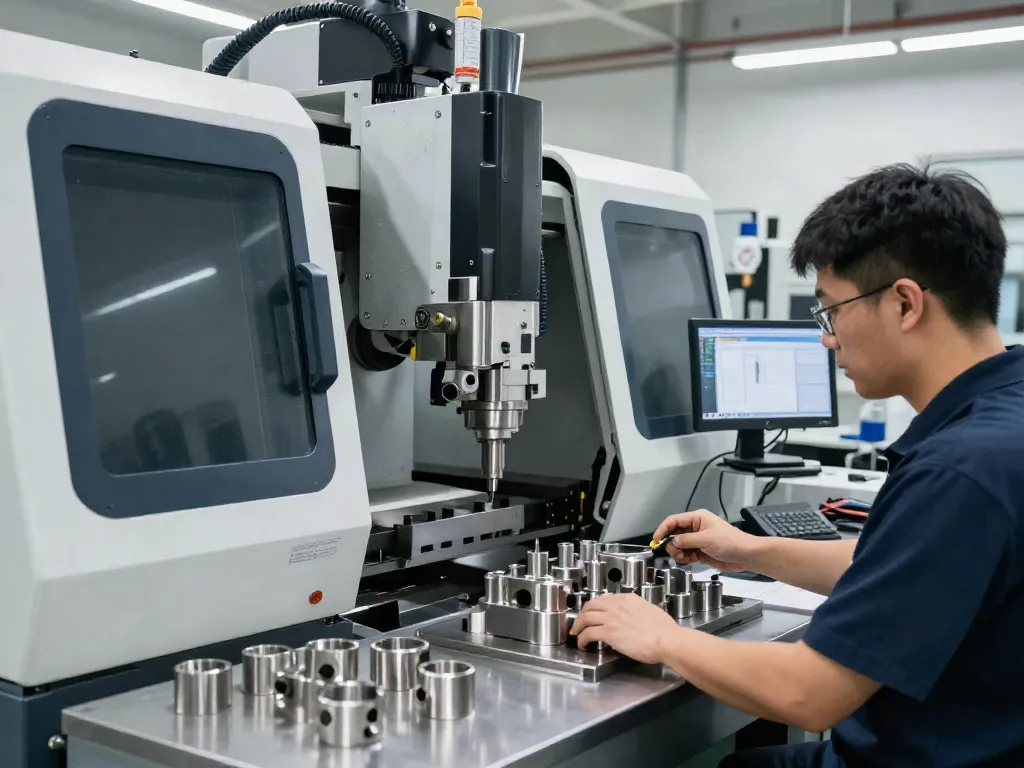
In the world of manufacturing, machined stainless steel parts play a pivotal role in creating durable components for a wide array of industries. These parts are created through CNC (Computer Numerical Control) machining, a process that allows for precision engineering of stainless steel that meets the specific requirements of both aesthetic and functional applications. With over two decades of experience, Honscn is a leader in providing high-quality machined stainless steel parts, ensuring that every component transforms the exceptional properties of this metal into reliable, high-performing products.
What Are Machined Stainless Steel Parts?
Machined stainless steel parts refer to components crafted from stainless steel using CNC machining techniques. This process involves removing material from a solid piece of stainless steel to create the desired shape and specifications. The result is parts that boast enhanced strength, corrosion resistance, and longevity, critical for applications in environments ranging from medical devices to aerospace.
Benefits of Using Stainless Steel in CNC Machining
- Corrosion Resistance: Stainless steel is well-known for its ability to resist rust and corrosion, making it ideal for applications in environments where exposure to moisture or chemicals is a concern.
- High Strength-to-Weight Ratio: The tensile strength of stainless steel allows for lightweight designs without compromising on durability.
- Aesthetic Appeal: Stainless steel can be polished to a mirror finish, making it suitable for parts that are visible in final products.
- Hygienic Properties: Its non-porous surface prevents the accumulation of contaminants, making it perfect for medical and food processing applications.
Common Applications Across Industries
Machined stainless steel parts are indispensable in various industries, including:
- Medical: Surgical instruments and implants demand high standards of sterility and durability.
- Food Processing: Equipment must be corrosion-resistant and easily cleaned to maintain hygiene standards.
- Aerospace: Components must endure extreme temperatures while maintaining structural integrity.
- Chemical Processing: Parts need to withstand corrosive substances without degrading over time.
Key Factors in Choosing Machined Stainless Steel Parts
Selecting the Right Stainless Steel Grade
Choosing the appropriate grade of stainless steel is critical for ensuring the performance of machined parts. The most commonly machined stainless steels include:
- 304 Stainless Steel: Offers good machinability and corrosion resistance, ideal for a wide range of applications.
- 316 Stainless Steel: Provides enhanced corrosion resistance, particularly against chlorides, making it suitable for marine environments.
- 410 Stainless Steel: A martensitic stainless steel that can be hardened, offering good wear resistance.
Understanding Tolerances and Specifications
Precision is paramount in CNC machining. The ability to maintain tight tolerances can directly impact the performance of the final product. Understanding the demands of the application will guide the necessary tolerance levels. For example, medical devices may require much tighter tolerances than general industrial components.
Assessing Manufacturing Processes for Quality
Evaluating the manufacturing processes used in producing machined stainless steel parts is essential for quality assurance. Techniques such as CNC milling and turning, along with thorough quality control measures, should be in place to ensure consistency and reliability in every part produced.
Challenges in Machining Stainless Steel Parts
Common Machining Issues and Solutions
Machining stainless steel can present several challenges, including tool wear and work hardening. Selecting the right cutting tools and machining strategies can mitigate these issues, improving production efficiency. Regular tool maintenance and monitoring can ensure longer tool life and better-quality parts.
Dealing with Corrosion and Wear
Despite stainless steel's inherent resistance to corrosion, it is still susceptible to specific types of corrosion such as pitting. Utilizing appropriate surface treatments and coatings can enhance corrosion resistance and prolong the lifespan of machined parts, especially in harsh environments.
Addressing Heat Management During Machining
Heat buildup during machining is a critical issue, especially with stainless steel's tendency to work harden. Employing optimal coolant methods and cutting speeds can help manage temperatures, thus preventing tool deterioration and ensuring more precise machining results.
Best Practices for Machining Stainless Steel
Tips for Effective CNC Machining Techniques
To achieve optimal outcomes when machining stainless steel, consider the following best practices:
- Use high-quality cutting tools specifically designed for stainless steel.
- Optimize cutting speeds and feeds to suit the material grade and thickness.
- Incorporate advanced CAM software to enhance machining strategies.
Maintaining Machinery and Tools
Regular maintenance of machinery and tools is essential to ensure high-quality production of machined stainless steel parts. Establishing a routine maintenance schedule minimizes downtime and maximizes production efficiency.
Quality Control Measures in Production
Implementing stringent quality control measures at various stages of production helps identify and rectify potential issues early on. Techniques such as statistical process control and regular inspections can ensure that all parts meet the required standards.
Future Trends in Machined Stainless Steel Parts
Emerging Technologies in CNC Machining
The landscape of CNC machining is rapidly evolving, with emerging technologies promising to enhance production capabilities. Innovations such as additive manufacturing and AI-driven machining processes may lead to more efficient and cost-effective production techniques.
Predictions for Industry Standards in 2026
As industries adapt to faster production cycles and higher quality demands, the standards for machined stainless steel parts are expected to tighten. The adoption of Industry 4.0 principles will likely drive more automation and data analytics in manufacturing, enhancing precision and consistency.
Impact of Sustainability on Stainless Steel Machining
With a growing focus on sustainability, the machining industry is being called to adopt more eco-friendly practices. This includes using materials that minimize environmental impact and implementing recycling processes for scrap metal.
What Are the Benefits of Machined Stainless Steel Parts?
Machined stainless steel parts offer various advantages, including exceptional durability, corrosion resistance, and versatility in application. These properties make them suitable for numerous industries, providing reliable performance even in the most demanding environments.
How Can Stainless Steel Parts Reduce Production Costs?
Utilizing machined stainless steel parts can lead to lower production costs over time. Their durability means reduced replacement frequency, and their strength allows for lighter designs that can reduce material usage and shipping costs.
What Industries Benefit Most from Machined Stainless Steel Parts?
Industries such as healthcare, food processing, and aerospace benefit significantly from machined stainless steel parts. Their ability to withstand harsh conditions while maintaining functionality makes them indispensable in these sectors.
Is There a Difference Between 304 and 316 Stainless Steel?
Yes, both grades have distinct properties. While 304 stainless steel provides good corrosion resistance suitable for general applications, 316 stainless steel offers superior resistance to chlorides and other corrosive elements, making it ideal for marine and chemical processing environments.
Can Machined Stainless Steel Parts Be Customized?
Absolutely! Customization is a key feature of CNC machining, allowing manufacturers to create parts tailored to specific dimensions, tolerances, and finishes to meet unique customer needs.
What Are the Key Performance Indicators for Stainless Steel Machining?
Key performance indicators (KPIs) for stainless steel machining include precision levels, cycle time efficiency, scrap rates, and adherence to specifications. Monitoring these KPIs helps maintain quality and improve operational efficiency.