Understanding Containerized Wastewater Treatment Systems
In an era where rapid urbanization and industrialization are placing unprecedented demands on water resources, effective wastewater management has become a critical concern. Containerized wastewater treatment systems represent a pioneering solution, offering pre-engineered, modular approaches to tackle the diverse challenges of wastewater treatment in various settings. From small communities to large industrial operations, these systems are designed to provide an efficient, reliable method of treating wastewater while complying with environmental regulations.
What is Containerized Wastewater Treatment?
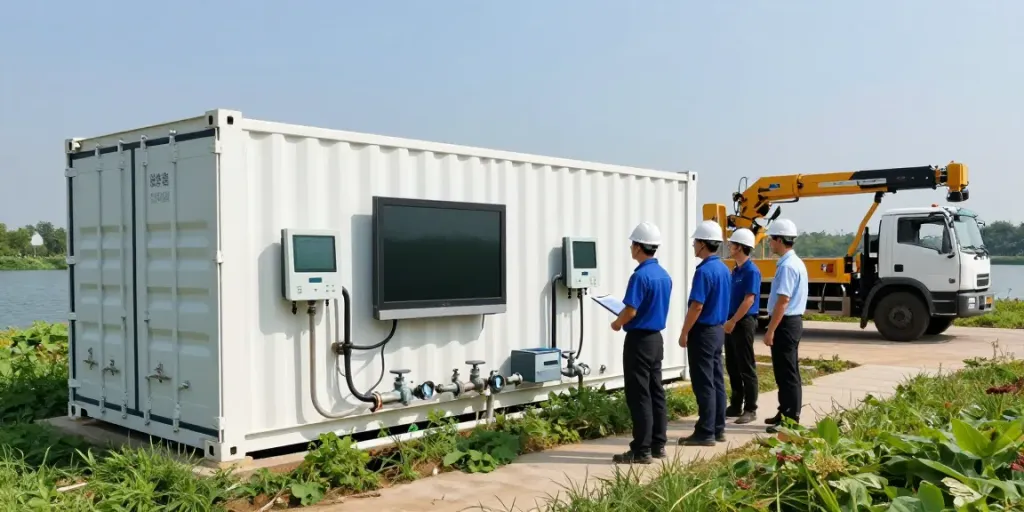
Containerized wastewater treatment systems are innovative solutions designed to manage wastewater efficiently through modular units housed within standard shipping containers. These systems integrate various treatment technologies to effectively process both domestic sewage and complex industrial effluents. The containerized nature allows for easy transportation and deployment in a variety of locations, making them ideal for temporary installations or areas lacking existing infrastructure.
Typically, these systems can include biological treatment, filtration, and disinfection processes, all customized to the specific wastewater composition and volume. The pre-assembled nature of these units allows for minimal onsite construction, reducing labor costs and project timelines significantly.
Key Benefits of Modular Systems
One of the standout features of containerized wastewater treatment systems is their modular design. This flexibility enables operators to scale their systems up or down as needed, accommodating fluctuations in wastewater volume or varying treatment needs. Moreover, the standardization of container sizes (20- or 40-foot units) facilitates straightforward transport and installation.
Other benefits include:
- Reduced Installation Time: With most systems being pre-engineered and factory-tested, setup can often be completed within just a few days, minimizing downtime.
- Lower Capital Expenditure: The modular approach often allows for reduced upfront costs compared to traditional wastewater treatment plants, which require significant civil works.
- Enhanced Environmental Compliance: These systems are designed to meet stringent environmental standards, ensuring that treated effluent is safe for discharge.
Advantages of Containerized Solutions
Rapid Deployment and Relocation
Containerized wastewater treatment systems are particularly valued for their ability to be rapidly deployed in emergency situations or during natural disasters. When conventional wastewater treatment infrastructure is compromised, these systems can be transported and set up quickly to restore sewage treatment capabilities, thereby protecting public health and the environment.
For instance, in disaster-stricken areas, containerized units can be delivered to the site and made operational within days, providing critical sanitation services in times of crisis.
Compliance with Environmental Standards
As regulations surrounding wastewater treatment become increasingly stringent, containerized systems are designed with compliance in mind. Many offerings include state-of-the-art monitoring systems that track effluent quality in real time, ensuring that operators can maintain compliance with local and national regulations.
This compliance not only helps avoid costly penalties but also supports broader environmental sustainability goals by ensuring that treated water can be safely returned to the environment or reused for agricultural and industrial purposes.
Cost-Effectiveness Compared to Traditional Systems
When evaluating the cost-effectiveness of containerized wastewater treatment systems, several factors come into play. Traditional wastewater treatment plants require significant capital investment, extensive civil engineering, and extended construction timelines. In contrast, containerized solutions can often be financed with significantly lower upfront costs and provide a quicker return on investment due to their rapid deployment and operational nature.
Moreover, the operational efficiency and reduced labor requirements associated with these systems contribute to their overall economic viability, making them an attractive option for municipalities and industries alike.
Implementation Challenges
Site Preparation and Infrastructure Needs
Despite the numerous advantages of containerized wastewater treatment systems, certain challenges may arise during implementation. Site preparation is critical; the area must be accessible to transport vehicles and equipped with the necessary utilities (water, electricity, etc.) to ensure that the system operates effectively.
Additionally, specific ground conditions may require further preparation to support the weight of the containerized units, particularly in locations with unstable soil.
Meeting Local Regulatory Requirements
Every municipality has its own set of regulations pertaining to wastewater treatment, which must be adhered to when installing containerized systems. This could involve obtaining permits, undergoing environmental impact assessments, and ensuring that the systems meet local discharge criteria.
Navigating these regulatory landscapes can be complex, and a thorough understanding of local legislation is essential for successful implementation.
Logistical Considerations for Transport and Setup
Transporting containerized wastewater treatment systems requires careful planning. Logistics involve arranging for flatbed trucks and cranes for loading and unloading, which can be complicated based on the geographical location and accessibility of the site. Coordination with shipping companies and local authorities is crucial to minimize delays and potential issues during transit.
Best Practices for Optimal Operation
Routine Maintenance Tips for Longevity
To maximize the lifespan and efficiency of containerized wastewater treatment systems, regular maintenance is essential. This includes:
- Performing routine inspections of mechanical and electrical components.
- Cleaning filters and membranes periodically to maintain optimal flow rates.
- Keeping detailed logs of maintenance activities to identify recurring issues.
Monitoring and Control Techniques
Modern containerized systems often come equipped with advanced monitoring and control technologies. Utilizing remote monitoring tools can enhance operational efficiency, allowing operators to track treatment performance and respond quickly to any issues that arise.
Implementing automated alerts for maintenance needs or system performance deviations can also help maintain consistent treatment quality and prevent costly operational failures.
Training Staff for Effective System Management
Training staff on the proper operation and maintenance of containerized wastewater treatment systems ensures that these units are managed effectively. Providing comprehensive training covering system components, troubleshooting, and compliance with regulations will equip staff with the knowledge necessary to maintain optimal performance.
Future Trends in Wastewater Treatment Technology
Innovations to Watch in 2026 and Beyond
As the field of wastewater treatment continues to evolve, innovative technologies will play an increasingly vital role. One significant trend is the integration of artificial intelligence and machine learning to optimize treatment processes and predict system failures before they occur.
Additionally, advancements in membrane technology may enhance filtration efficiency, further improving water quality and reducing operational costs.
Integration of IoT in Wastewater Management
The Internet of Things (IoT) is set to revolutionize wastewater management by enabling real-time monitoring and data analysis. Containerized systems equipped with IoT sensors can provide critical insights into system performance and environmental impacts, facilitating data-driven decision-making for wastewater treatment operations.
This integration not only enhances operational efficiency but also supports compliance with stringent environmental regulations, providing a comprehensive approach to wastewater management.
Potential Environmental Impacts and Benefits
The environmental implications of adopting containerized wastewater treatment systems are significant. By ensuring that wastewater is treated effectively, these systems help protect local water bodies from pollution and promote the circular economy by enabling water reuse. This aligns with broader sustainability goals and can help organizations meet corporate social responsibility targets.
Can we drink STP water?
This question often arises in discussions about treated wastewater. While secondary treated wastewater (STP) is not typically safe for direct human consumption, advanced treatment technologies such as reverse osmosis and advanced oxidation processes can make it suitable for potable reuse under certain conditions.
What is a containerized wastewater treatment plant?
A containerized wastewater treatment plant is a modular, transportable system designed to treat wastewater within a shipping container framework. These systems are utilized in various applications, ranging from remote communities to temporary installations at construction sites.
How much does an HSTP system cost?
The cost of a High Rate Treatment (HSTP) system can vary significantly based on size, complexity, and specific treatment technologies employed. However, as a rough estimate, costs can range from tens of thousands to several hundred thousand dollars, depending on the requirements of the project.
What are the three types of wastewater treatment?
The three primary types of wastewater treatment are:
- Primary Treatment: The initial physical separation of solids from liquid waste.
- Secondary Treatment: Biological processes used to further treat wastewater by utilizing microorganisms.
- Tertiary Treatment: Advanced treatment methods aimed at further improving water quality, often involving filtration and disinfection.
Are containerized systems suitable for industrial use?
Yes, containerized wastewater treatment systems are highly suitable for industrial use, offering tailored solutions to manage specific industrial effluents effectively. Their adaptability and rapid deployment capabilities make them ideal for industries experiencing fluctuating water treatment needs.