Understanding the Manlift: Types and Features
In the ever-evolving landscape of construction and maintenance, efficiency and safety take precedence. A critical tool in achieving these goals is the Manlift, essential for reaching heights that traditional ladders cannot. Understanding the different types, key features, and benefits of various models can significantly aid in making an informed purchase or rental decision.
Different Types of Manlifts Available
Manlifts come in various forms, each designed to serve specific functions effectively. The most common types include:
- Telescopic Manlifts: These lifts feature a vertical extending arm that can reach substantial heights, making them suitable for outdoor use, like construction sites or building maintenance.
- Articulating Manlifts: Known for their jointed arm, these manlifts can navigate obstacles and reach difficult spots. They are ideal for tasks that require maneuverability in tight spaces.
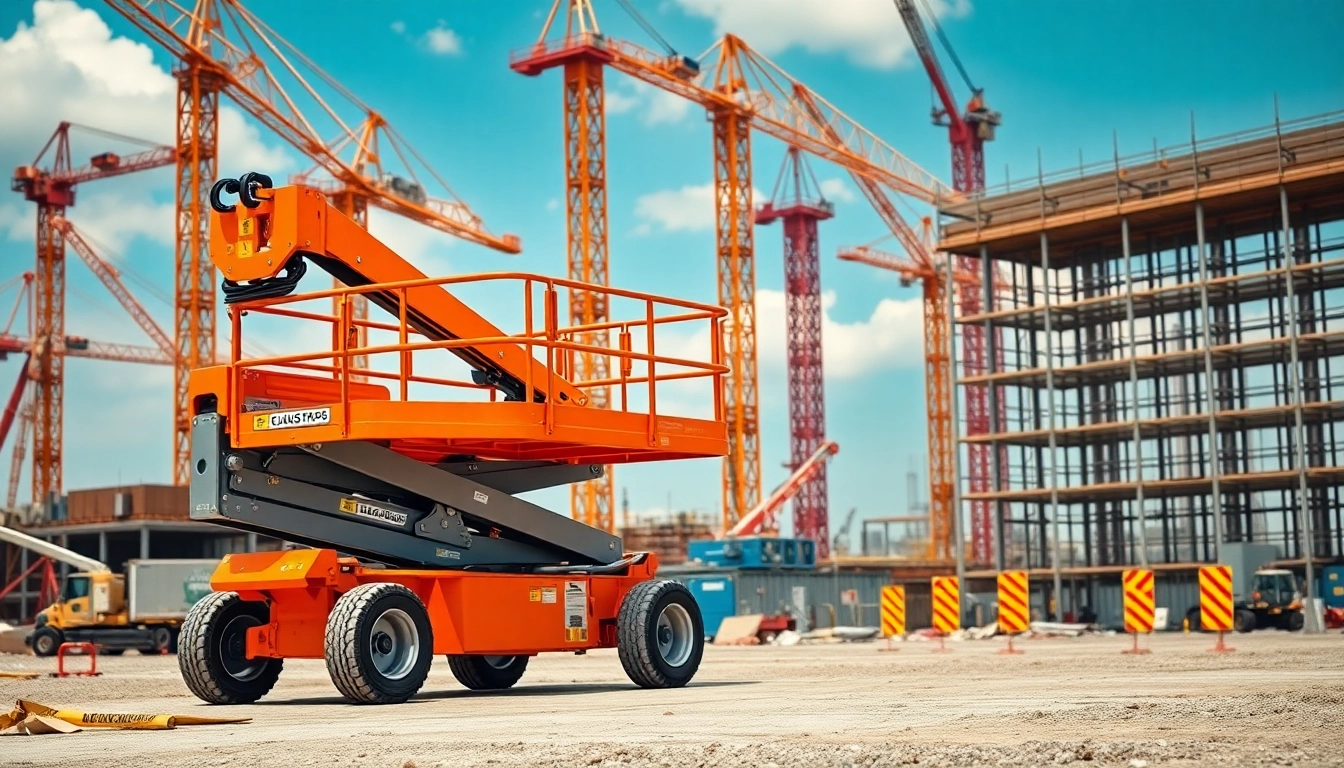
- Scissor Lifts: Designed for vertical lifting, scissor lifts offer stable platforms for workers. They are great for indoor applications, such as warehouses or shopping centers, where overhead work is required.
- Push Around Lifts: These are manually operated and typically lighter, making them perfect for smaller jobs or indoor environments.
- Truck-Mounted Lifts: Mounted atop a truck, these manlifts provide impressive reach and mobility, ideal for utility jobs or larger construction projects.
Key Features to Consider When Choosing a Manlift
When selecting a Manlift, several features should be evaluated to ensure the lift meets operational demands:
- Height Capacity: Consider the maximum height your project requires and choose a lift that can safely reach and operate at that elevation.
- Weight Limit: Check the platform’s weight capacity to ensure it can support the workforce and materials you plan to use.
- Platform Size: A larger platform may be necessary for several workers or equipment. Evaluate the space needed for safety and convenience.
- Maneuverability: Depending on the working environment, you may need a lift that easily navigates through tight spaces or uneven terrain.
- Power Source: Manlifts can be diesel or electric. Electric lifts are better for indoor use, while diesel models are preferable for outdoor and rough terrains.
Comparative Benefits of Various Manlift Models
Each manlift model comes with distinct advantages suited for specific tasks:
- Telescopic Manlifts: Offer extensive reach with fewer limitations, optimal for high-rise construction work.
- Articulating Manlifts: Their flexibility allows users to work around obstacles and complete jobs often deemed inaccessible.
- Scissor Lifts: Provide stability and safety, enabling several workers to operate simultaneously on flat surfaces.
- Push Around Lifts: An economical choice for smaller tasks, allowing for easy transport and use where space is limited.
- Truck-Mounted Lifts: The mobility and reach of these lifts make them preferred for tasks needing to cover larger areas swiftly.
Applications of Manlift in Various Industries
Manlifts are vital across numerous sectors, streamlining operations and enhancing productivity. Here are some prominent applications:
Construction Industry Utilization of Manlifts
In the construction industry, manlifts facilitate various tasks such as framing, roofing, and installation of materials. They reduce the labor intensity and improve safety by minimizing the need for ladders. Telehandlers and scissor lifts are particularly popular, providing access to elevated areas without compromising stability.
Manlift in Maintenance and Repair Operations
Routine maintenance and repair work often necessitate access to elevated structures, such as lighting systems, HVAC units, or signage. Articulating manlifts excel in these scenarios, offering adaptability to navigate around obstacles and reach specific spots efficiently while ensuring safety for the worker.
Leveraging Manlift for Large-Scale Event Setup
For large events and exhibitions, manlifts are indispensable in setting up lighting, sound systems, and decorations. They provide the height needed for extensive displays and ensure comprehensive coverage of the venue setup. Choosing the right type of manlift can significantly enhance the efficiency of these operations.
Safety Guidelines for Operating a Manlift
While manlifts increase productivity, safety remains a priority. Adhering to safety guidelines is necessary for preventing accidents and ensuring compliance with regulations.
Essential Safety Equipment When Using a Manlift
The right safety equipment is critical. Operators should wear hard hats, harnesses, and safety glasses. Additionally, a first-aid kit should be readily accessible, and safety signs must be displayed in the work area to alert nearby personnel.
Training Requirements for Manlift Operators
Effective training programs for operators enhance safety and operational efficiency. Operators should undergo rigorous training that covers equipment operation, safety protocols, emergency procedures, and regular maintenance checks. Proper certification is essential, ensuring that operators recognize and mitigate risks associated with manlifts.
Common Safety Violations to Avoid
To maintain a safe working environment, certain behaviors must be corrected. Common violations include:
- Failure to wear personal protective equipment (PPE).
- Overloading the manlift beyond its specified weight capacity.
- Ignoring guardrails and other safety features present on the equipment.
- Operating the lift in high winds or adverse weather conditions.
- Neglecting the daily inspection of the lift before use.
Best Practices for Choosing the Right Manlift
Choosing the appropriate manlift is crucial for enhancing worksite efficiency while ensuring safety. Here are some best practices:
Assessing Project Requirements for Manlift Selection
Before selecting a manlift, it's imperative to assess project specifics, taking into account requirements such as terrain, height, load capacity, and platform size. Understanding these needs will guide the selection process and ensure the most suitable equipment is used.
Cost Considerations and Budgeting for Manlift Rental
Budgeting plays a vital role in the rental of manlifts. It's essential to consider not only the rental fee but also potential costs associated with delivery, insurance, and operator training. Conducting a cost-benefit analysis will ensure the manlift selected meets project goals without overspending.
Evaluating Vendor Reliability and Support
Choosing a reliable vendor is as important as selecting the right equipment. Look for vendors with a strong reputation, professional support, and extensive inventory. Ensure that they provide timely maintenance and repairs, as well as facilitate an efficient rental process.
FAQs About Manlifts
What is a Manlift?
A manlift is a type of hydraulic lift or platform designed to elevate workers to significant heights for various construction, maintenance, or event setup tasks.
How do I operate a Manlift safely?
To operate a manlift safely, complete proper training, wear necessary PPE, follow manufacturer guidelines, and ensure inspections before use.
What are the advantages of renting a Manlift?
Renting a manlift offers flexibility, reduced upfront costs, access to modern equipment, and no long-term maintenance responsibilities.
What industries commonly use Manlifts?
Common industries utilizing manlifts include construction, maintenance, entertainment, and event management, among others.
How do I choose the right Manlift for my project?
Assess project requirements, including height, load capacity, and job specifics, then evaluate available options against these needs for the best fit.